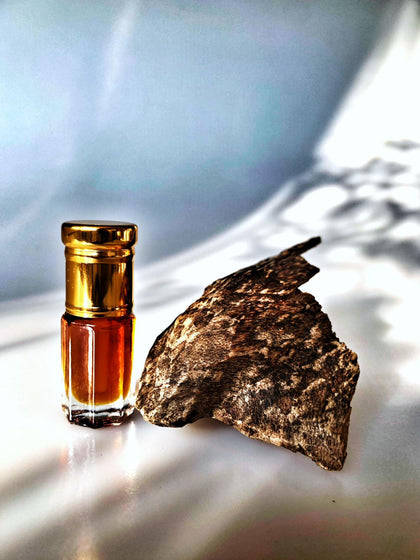
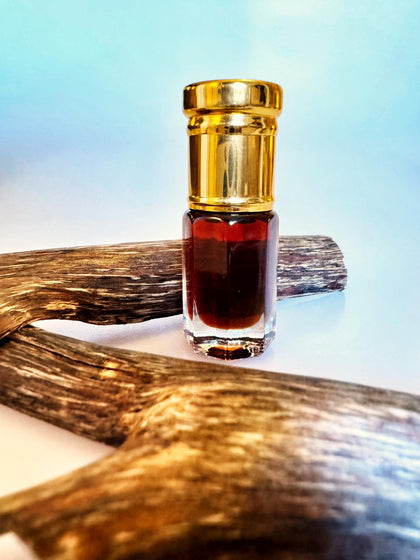
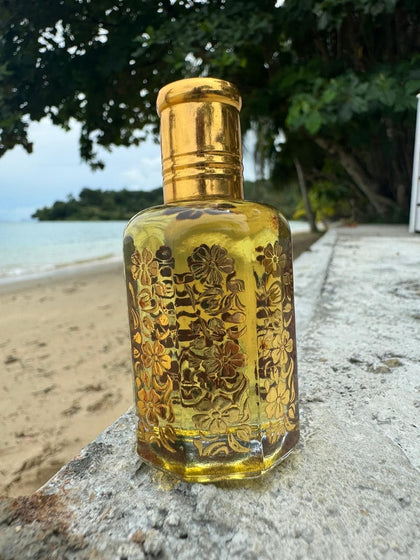

Oud – The Liquid Gold of Perfumery
No raw material in perfumery is as expensive, as rare, as mythical and as misunderstood as oud. This guide explains what oud really is, how it forms and how to recognise genuine quality.
What oud is
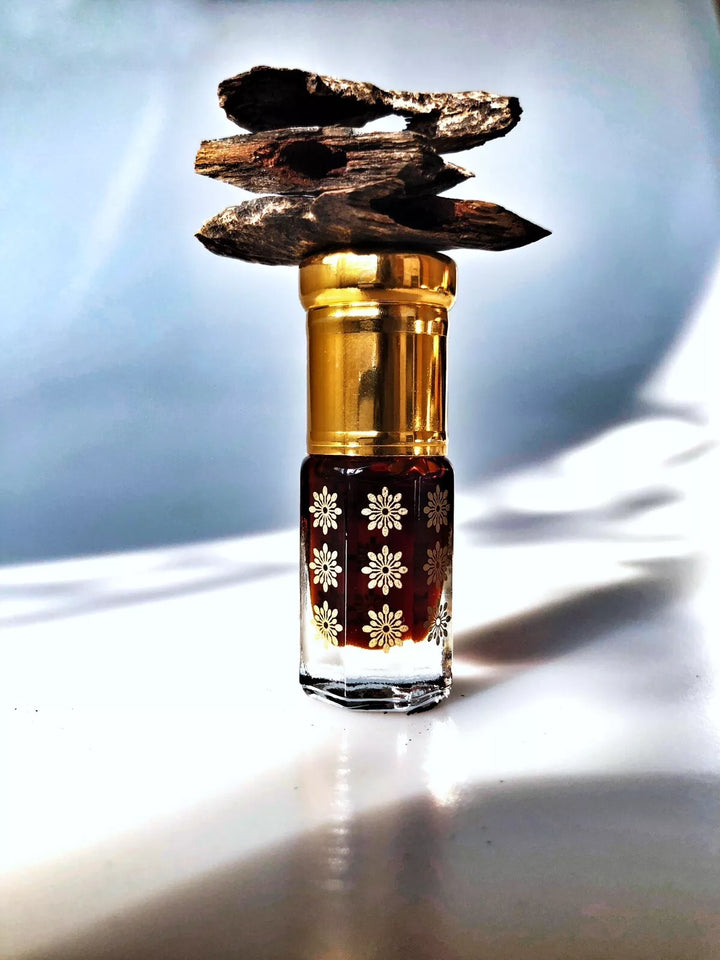
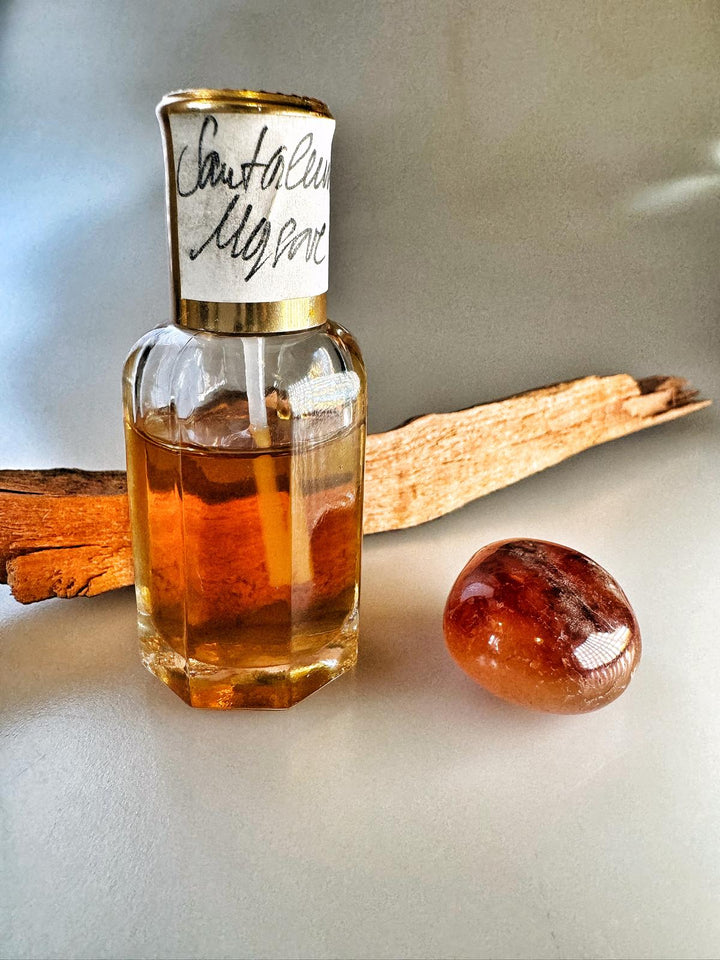
Oud (Arabic عود, English agarwood, German Adlerholz) is the resinous heartwood of the Aquilaria tree. The tree grows in Southeast Asia – from Assam in northeast India to Indonesia, Vietnam, Cambodia, Thailand and Laos.
The remarkable part: only about 5 to 10 percent of all agarwood trees produce oud resin at all. The resin only forms when the tree, through injury, takes in a specific mould fungus. As a defence reaction the tree permeates the affected wood with a dark, aromatic resin – over years to decades.
Why oud is so expensive
- A single agarwood tree needs 30–80 years to produce any significant resin.
- Distilling one kilogram of oud oil consumes several hundred kilograms of wood.
- Wild oud from primeval forests is practically extinct. Modern material comes from plantations.
- Premium vintage oils are additionally aged 10–30 years before they are sold.
Price range: simple Thai plantation oud from 50 euros per gram. Vintage distillates from Assam: 300–1,000 euros per gram. Rare Ensar- or Sultan-grade oils: beyond that.
The five great origins
Assam (Northern India)
The classic, animalic-honeyed oud. Deep, warm, relentlessly present. The reference of Arabic perfumery.
Cambodia
Aquilaria crassna. Sweet, balsamic, fruity. More approachable than Assam, ideal for beginners.
Borneo & Brunei
Mineral, green-earthy, vegetal. A character of its own, far from Assam.
Thailand
Lighter, citrusy-resinous. Well suited as a "daytime oud".
Burma (Myanmar)
Dark, leathery, slightly phenolic. Powerful and deep.
Distillation
Traditionally oud is steam-distilled in copper stills. The shredded wood is soaked for days to months, then distilled for several days at low temperature. The essential oil floats on the condensed water and is carefully separated. A week of distillation usually yields only a few millilitres of oil.
Oud at Duftkumpels
Three main forms are available:
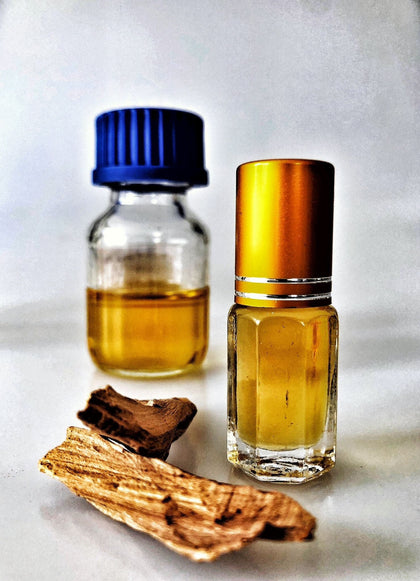
- Pure oud oils (1 ml, 3 ml, 12 ml) – 100% Aquilaria distillate, unblended.
- Oud extrait perfumes (XDP) – compositions with oud as heart or base.
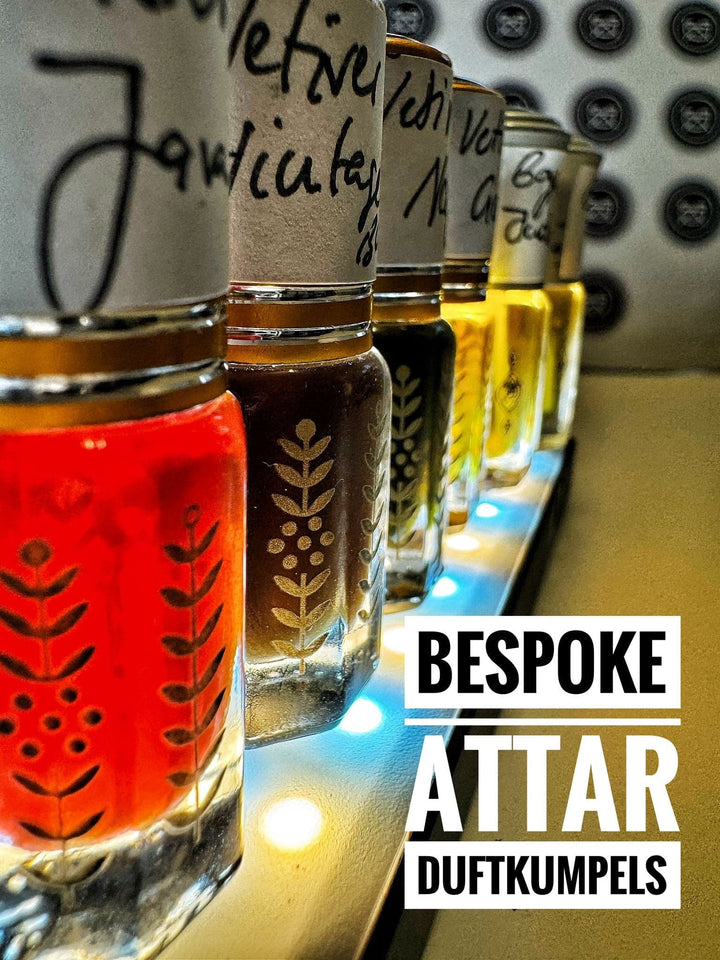
- Oud attars – alcohol-free, close to the skin, classically oriental.


