


Ambergris – The Liquid Gold of the Sea
Ambergris is considered the most enigmatic raw material in perfumery. An oceanic-animalic wonder that the sperm whale secretes naturally and that drifts through the seas for decades before it is found on beaches. This guide explains what ambergris really is, why it is so sought after and which Duftkumpels perfumes contain it.
What is ambergris?
Ambergris is a waxy secretion of the sperm whale (Physeter macrocephalus). When the sperm whale eats squid, the hard beaks can irritate its intestinal lining. As a protective reaction the whale's body coats these beaks with a secretion – much like an oyster coats sand with nacre. At some point the whale expels this mass. It then drifts in the ocean for decades, oxidising through sun and salt water – and is finally washed up on beaches as waxy, grey-white lumps.
Freshly expelled ambergris smells faecal and unpleasant. Only through years of maturing in the sea does the legendary scent develop: marine, warm, animalic, sweet-musky, with a unique aura that no synthetic molecule can reproduce.
Formation in the sperm whale
Only about 1 to 5 percent of all sperm whales produce ambergris at all. The chemically active substance is ambrein – a triterpene alcohol that breaks down under UV light and seawater into the scent-giving compounds ambroxide, ambrinol and gamma-dihydroionone. The longer the lump drifts in the ocean, the higher the ambroxide content – and the more coveted the quality.
Beach-found pieces of ambergris typically weigh between 20 grams and several kilograms. The largest find ever documented: 420 kg, off Oman in 2016.
Types & Quality grades
- Black ambergris: Fresh find, black and soft, still strongly faecal. Lowest quality, needs 10–20 years of maturing.
- Grey ambergris: Matured for a few years, grey with veins, moderate quality.
- White ambergris: Highly matured, whitish, dry, very sought after. The classic "perfume grade".
- Silver/gold ambergris: Highest grade, matured for decades, silvery-shimmering or golden brown, intense ambroxide concentration. Price: 25,000–40,000 €/kg.
Ethics & legality
Beach-found ambergris is legal in the EU, UK, Australia and most countries. Sperm whales are protected by CITES, but ambergris is not extracted from whales – it is collected exclusively as a beach find. No animal is harmed.
Exception: the USA bans the ambergris trade completely under the Marine Mammal Protection Act – even though no whales are affected. A curious legal situation. In Europe the trade is fully legal.
Duftkumpels sources ambergris exclusively from certified beach-find collectors in New Zealand, South Africa and the Caribbean.
Recognising real ambergris
- Heat test: A hot needle sinks into real ambergris like butter; the substance melts into a dark, fragrant oil.
- Float test: Ambergris floats on salt water. In fresh water it sinks slowly.
- Smell: Aged ambergris smells unmistakably marine-warm-animalic – not faecal, not fishy.
- Colour & structure: Veined surface, slightly brittle, waxy consistency.
Why ambergris in perfume?
No synthetic molecule reproduces the aura of real ambergris. Ambroxan (Firmenich) comes close, but only real ambergris brings the complexity of marine salt, musk, honey and resin. In perfumery it works as:
- Fixative: Holds other notes on the skin, extends longevity by hours.
- Radiator: Amplifies the projection (sillage) of other notes.
- Signature accent: Gives the perfume a warm-animalic depth you do not forget.
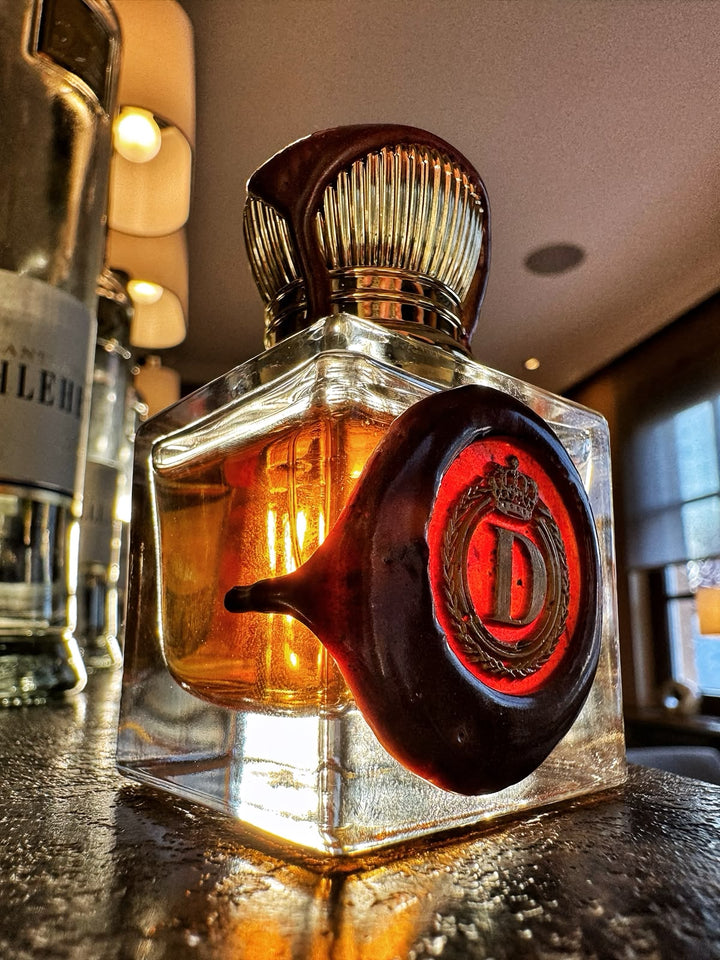
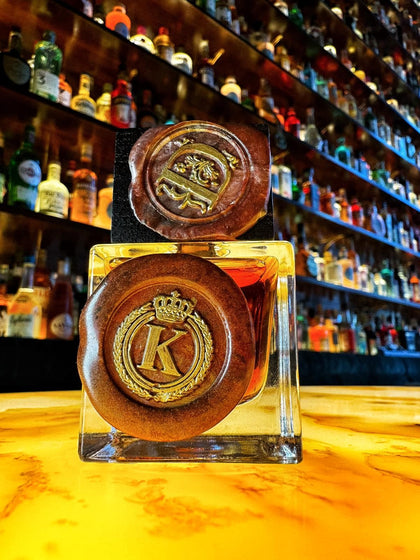
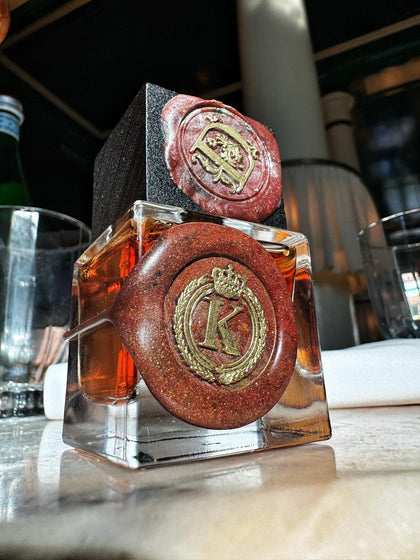
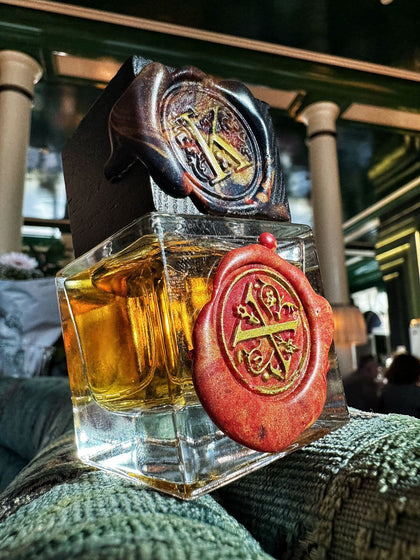
Ambergris perfumes at Duftkumpels


Experience ambergris live
Each of our ambergris perfumes contains real, matured beach-found material – declared and verifiable.
Discover all raw materials