


Castoreum – The Beaver Castor of Perfumery
Castoreum is the secret behind the greatest classic leather perfumes in the world. From Shalimar to Habit Rouge, from Antaeus to Bandit – wherever a real leather aroma arises, castoreum was historically involved. This guide explains what beaver castor is, how it is obtained and which Duftkumpels perfumes carry it.
What is castoreum?
Castoreum (also beaver castor) is an aromatic substance from the castor glands of the beaver. These paired glands lie near the anal region and produce a yellowish, oily secretion. The beaver uses it for territorial marking – it rubs it on tree bark and riverbanks to mark its territory.
The raw substance is sharp, sulphurous and woody. Only through maceration in alcohol over weeks does the legendary castoreum tincture aroma develop: leathery, smoky, slightly sweet-resinous, with an animalic-warm depth.
The beaver & its gland
Two beaver species supply castoreum:
- Castor canadensis (Canadian beaver) – the dominant trade source.
- Castor fiber (European beaver) – protected in Europe, hardly any castoreum trade.
A single beaver produces about 30–60 grams of secretion in its castor sacs. In Canada the beaver is not an endangered animal – on the contrary: the population is so large that regulated hunting is necessary for population control (dam-building damage to agriculture and infrastructure).
Ethical sourcing today
Modern castoreum sourcing in Canada and Russia:
- By-product of the regulated fur industry: Beavers are hunted for the fur trade. The castor sacs would otherwise be discarded.
- No killing just for perfumery: No beaver dies for castoreum alone.
- State-licensed: All quantities are controlled by conservation authorities.
- Sustainability factor: Without harvesting, the beaver population in Canada would be so large that it becomes ecologically problematic.
Scent profile & effect
Castoreum in a perfume delivers:
- Leather accord: Authentic leather aroma that no synthetic achieves.
- Animalic warmth: Skin-close, almost bodily depth.
- Smoke & birch: Slightly smoky, birch-resinous, similar to Russian leather.
- Fixative: Keeps other notes present for many hours.
In classic perfumes castoreum was combined with birch tar and isobutyl quinoline into the classic "Cuir de Russie" accord.
History & classics
Castoreum was in almost every mainstream perfume of the classic era: Shalimar (1925), Bandit (1944), Antaeus (1981), Habit Rouge (1965). Only from the 2000s did many houses replace it with synthetic leather accords – for cost reasons. Duftkumpels keeps to the original tradition.
Recognising real castoreum
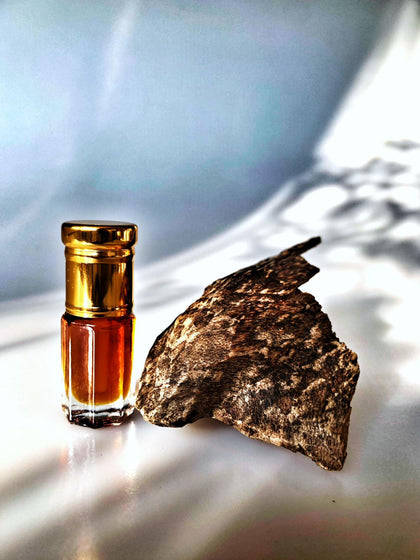
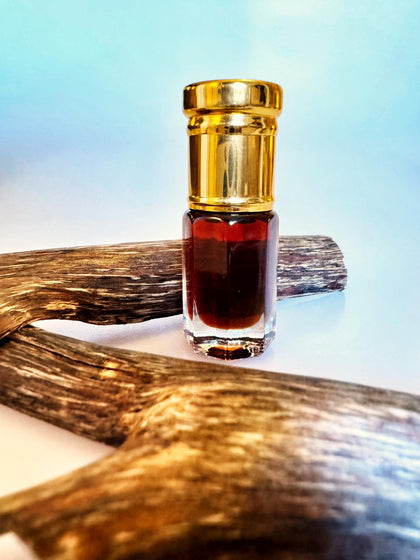
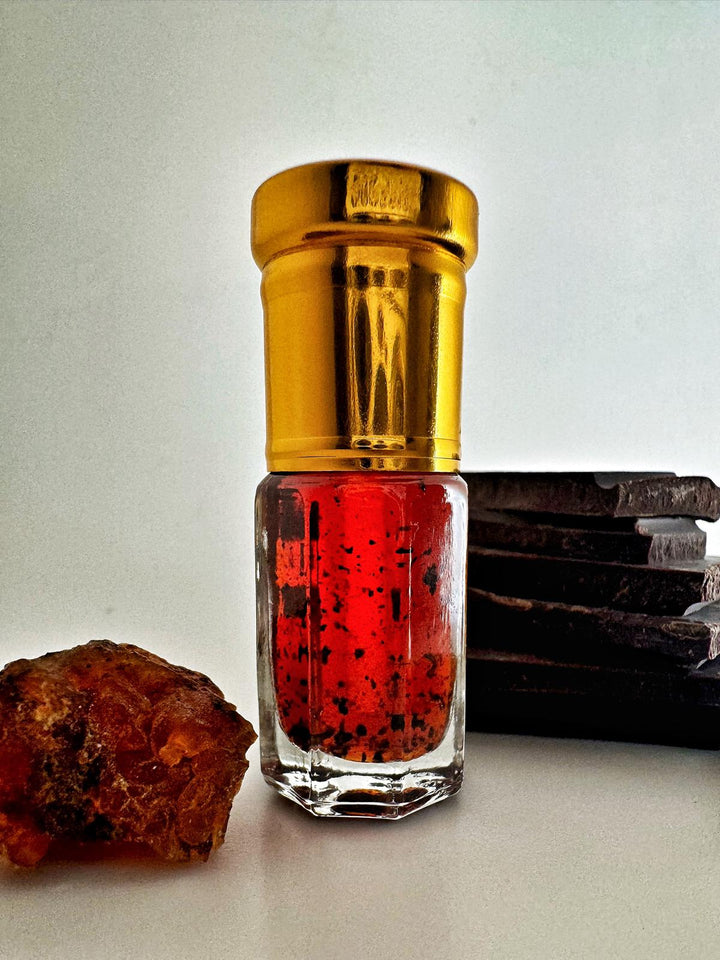
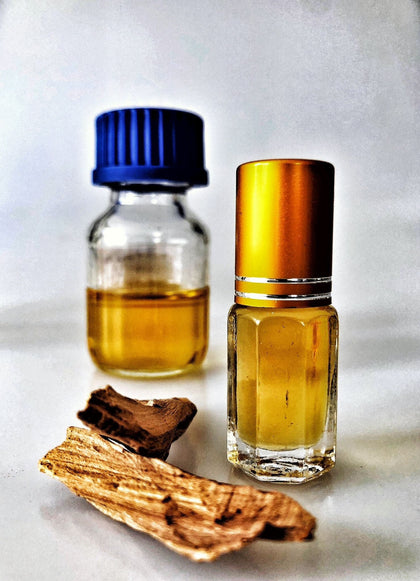
- Colour: Golden yellow to amber brown in the tincture.
- Smell: Leathery-warm with a slightly smoky birch accord.
- Longevity: In extrait de parfum: 10+ hours, on clothing up to 48 h.
- Origin documentation: Reputable suppliers state country, licence number and CITES status.
Castoreum perfumes at Duftkumpels


Experience castoreum live
Classic leather – as the haute perfumery of the 20th century knew it.
Discover all raw materials