
Niche vs Designer Perfume – The Honest Comparison
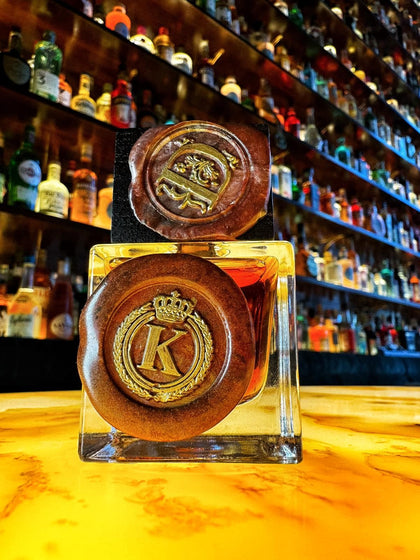
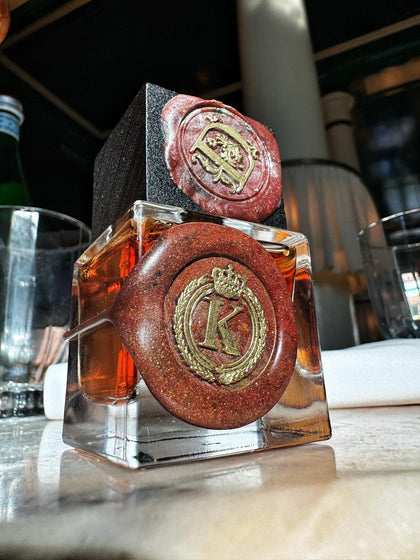
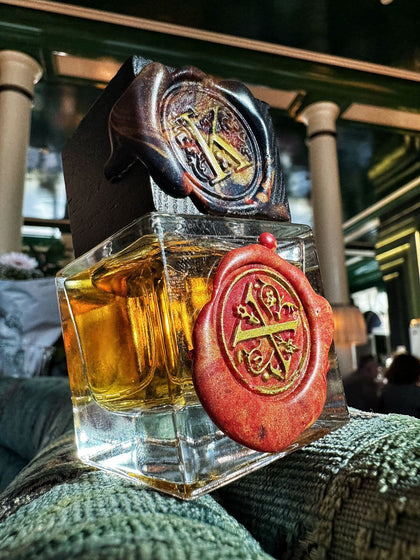
Niche perfumes are the opposite of mainstream. Where designer perfumes rely on volume, marketing and low cost, niche works with craft, real raw materials and uncompromising quality. This guide explains the real difference – without myth, with hard facts.
What is niche perfume?
"Niche" literally means a niche – a specialised perfume creation beyond the mass market. Niche houses typically work with:
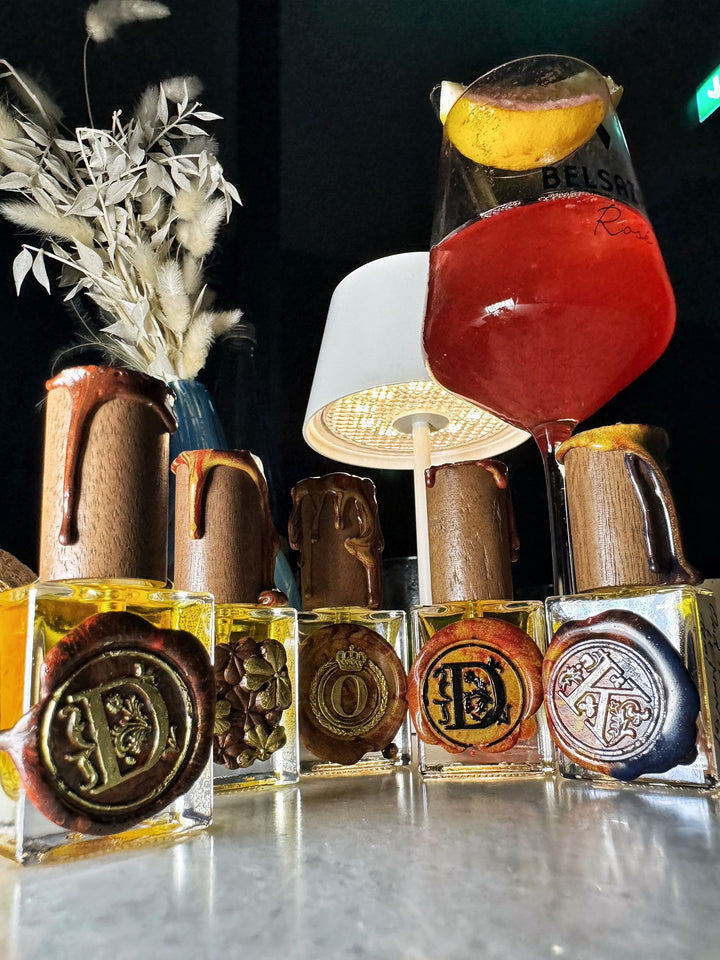
- Limited editions: Often fewer than 500 bottles per series.
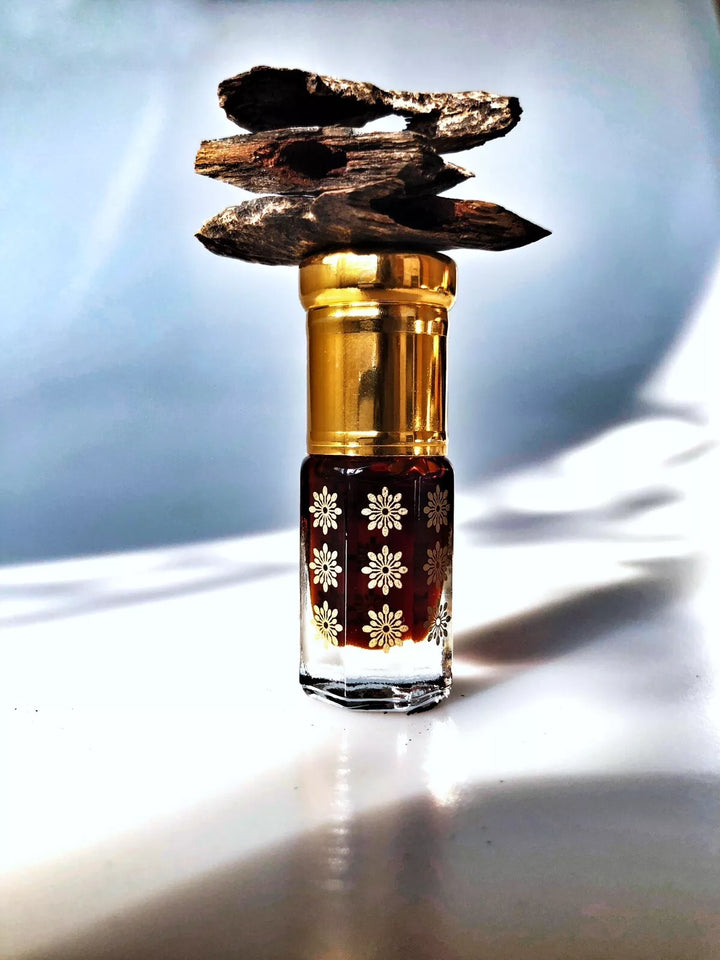
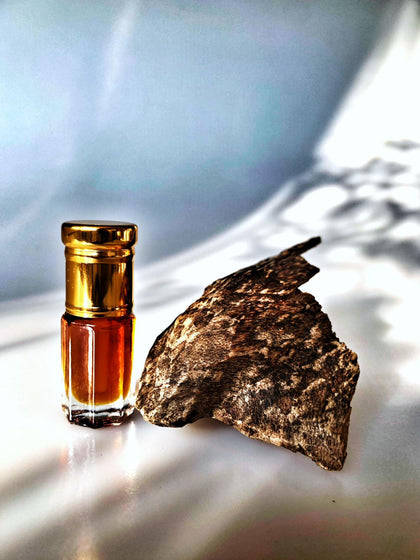
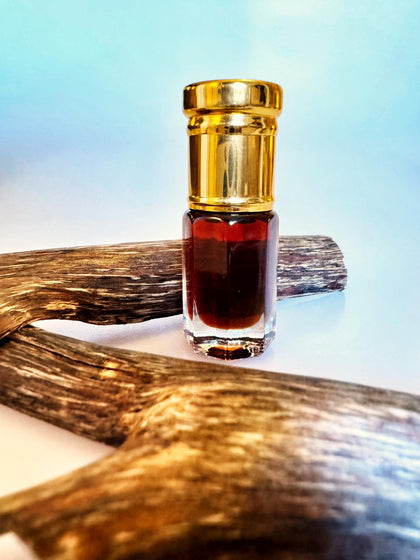
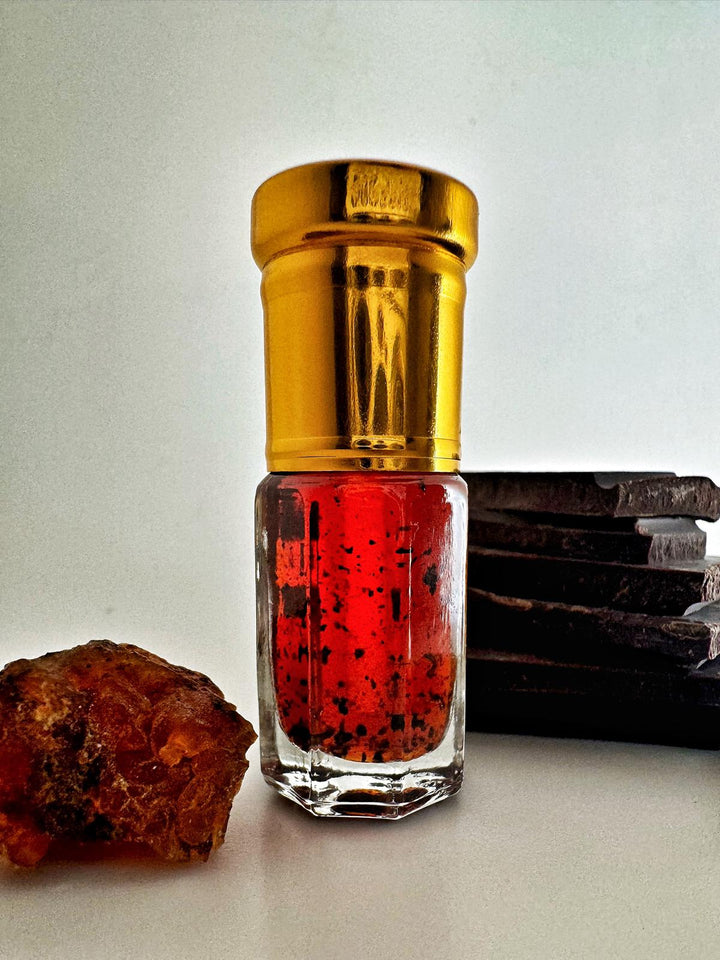
- Real natural raw materials: Hand-harvested oud, real ambergris, pure jasmine, musk extract.
- Higher concentrations: Almost always extrait de parfum (25–40% oil).
- Unconventional compositions: Animalic, resinous, mineral – no compromises for mass taste.
- Personality instead of mainstream: A niche perfume polarises. It does not smell like "everyone".
The 5 real differences
1. Raw-material budget per bottle
Designer perfumes typically have a raw-material budget of 2-5% of their retail price. The rest goes into marketing (30–40%), distribution, flacon design and margin. Niche houses invest 30-60% in raw materials. That makes the sensory difference.
2. Concentration
Almost all designer perfumes are eau de toilette or eau de parfum (5–20% oil). Niche works predominantly in extrait de parfum (25–40%). More oil = more complexity, more longevity. More about concentration levels →
3. Synthetic vs natural
Designer perfumes use 80–95% synthetic molecules. Cheap, stable, scalable – but flat. Niche perfumes combine synthetics with real natural raw materials. Real oud costs more per gram than synthetic musk aroma per litre.
4. Craft vs industry
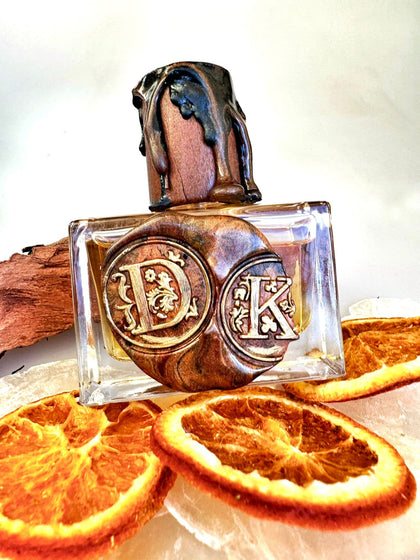
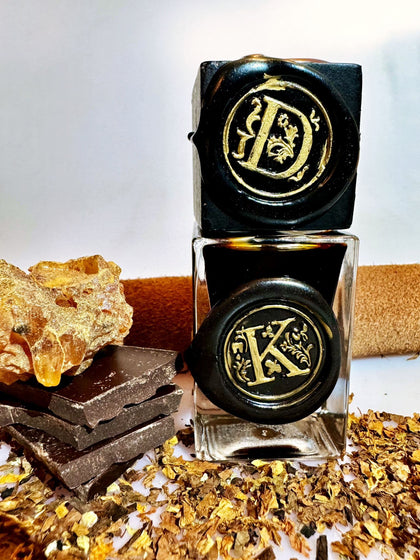
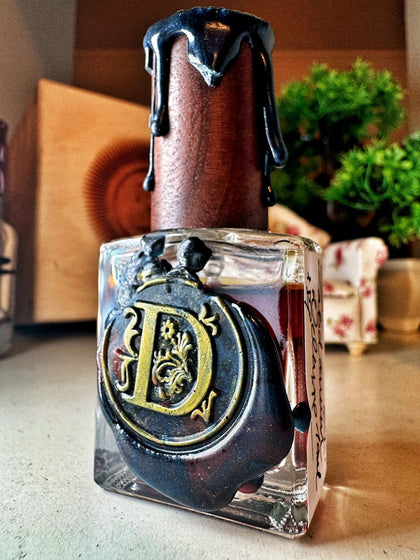
Designer perfumes are filled in mass facilities. Every bottle is identical to all others worldwide. Niche perfumes are often hand-filled, hand-signed, marked with a batch number. Every batch is unique.
5. Development vs hit formula
Designer houses test new perfumes with focus groups until they are "pleasing". Niche houses develop compositions from artistic vision. No compromises for mass taste. The result polarises – and that is exactly the point.
Raw-material quality compared
| Raw material | Designer (typical) | Niche (typical) |
|---|---|---|
| Oud | Synthetic oud molecule (Ebanol) | Real Assam/Cambodia oud |
| Musk | Galaxolide, musk ketone | Real deer musk + synthetic blend |
| Ambergris | Ambroxan (synthetic) | Real beach find + Ambroxan |
| Rose | Rose oxide, synthetic notes | Rosa damascena absolute |
| Sandalwood | Ebanol, Javanol | Mysore Santalum album |
| Vanilla | Vanillin (synthetic) | Madagascar vanilla absolute |
Price structure explained honestly
A typical designer EDP at 100 ml costs 80–120 €. A niche perfume at 30 ml extrait costs 150–400 €. At first glance 4–10× more expensive – but:
- Oil quantity: 100 ml × 18% = 18 ml oil (designer). 30 ml × 35% = 10.5 ml oil (niche).
- Material value: 18 ml synthetic oil costs about 1–5 € to produce. 10.5 ml real natural-oil perfume costs 30–150 €.
- Per spray: A designer spray uses 0.1 ml, a niche spray also 0.1 ml. Price per application: designer approx. 0.08 €, niche approx. 0.50–1.30 €. Sounds like a lot – but you also smell 4× longer.
The marketing budget of a mainstream fragrance often exceeds 50% of the retail price. With niche you pay for material + craft, not for Instagram influencer campaigns.
Who wears niche?
Niche perfume lovers are typically people who:
- Put their own style above trend success
- Value complexity and take time for development
- Would rather have one favourite perfume than ten average ones
- Find originality more important than fame
- Do not want to see their perfumes on Instagram
Getting started with niche
Many niche lovers start with a sample set or a smaller flacon size (10 ml extrait). The investment is manageable, the experience opens the door to a new world of scent. Duftkumpels offers exactly this entry.
Why Duftkumpels?
Duftkumpels stands for uncompromising niche:
- Extrait de parfum only: No diluted EDTs or EDPs.
- Real natural raw materials declared: Oud from Assam, beach-found ambergris, deer musk from licensed sources.
- Hand-blended in Germany: No outsourcing, no OEM.
- Batch number visible: Every batch is traceable.
- Limited editions: Many fragrances in batches of 50.
Niche instead of mainstream
Every Duftkumpels perfume is a real niche perfume – no compromises, no fillers.
Discover all niche fragrances