

EDP vs EDT vs Extrait: The Ultimate Guide
Understanding perfume concentrations
Choosing the right concentration determines the longevity, sillage and value for money of your fragrance. As an Extrait de Parfum specialist we explain the differences.
Eau de Toilette (EDT) – 5–15%
The lightest common concentration. EDT suits everyday wear and warm summer days. Longevity: 3–6 hours. The downside: top notes dominate, the base notes often fall short.
Eau de Parfum (EDP) – 15–20%
The golden middle way. EDP offers good longevity (6–10 hours) and shows all fragrance phases. Most mainstream perfumes are EDPs – a solid standard, but not luxury.
Extrait de Parfum – 20–40%
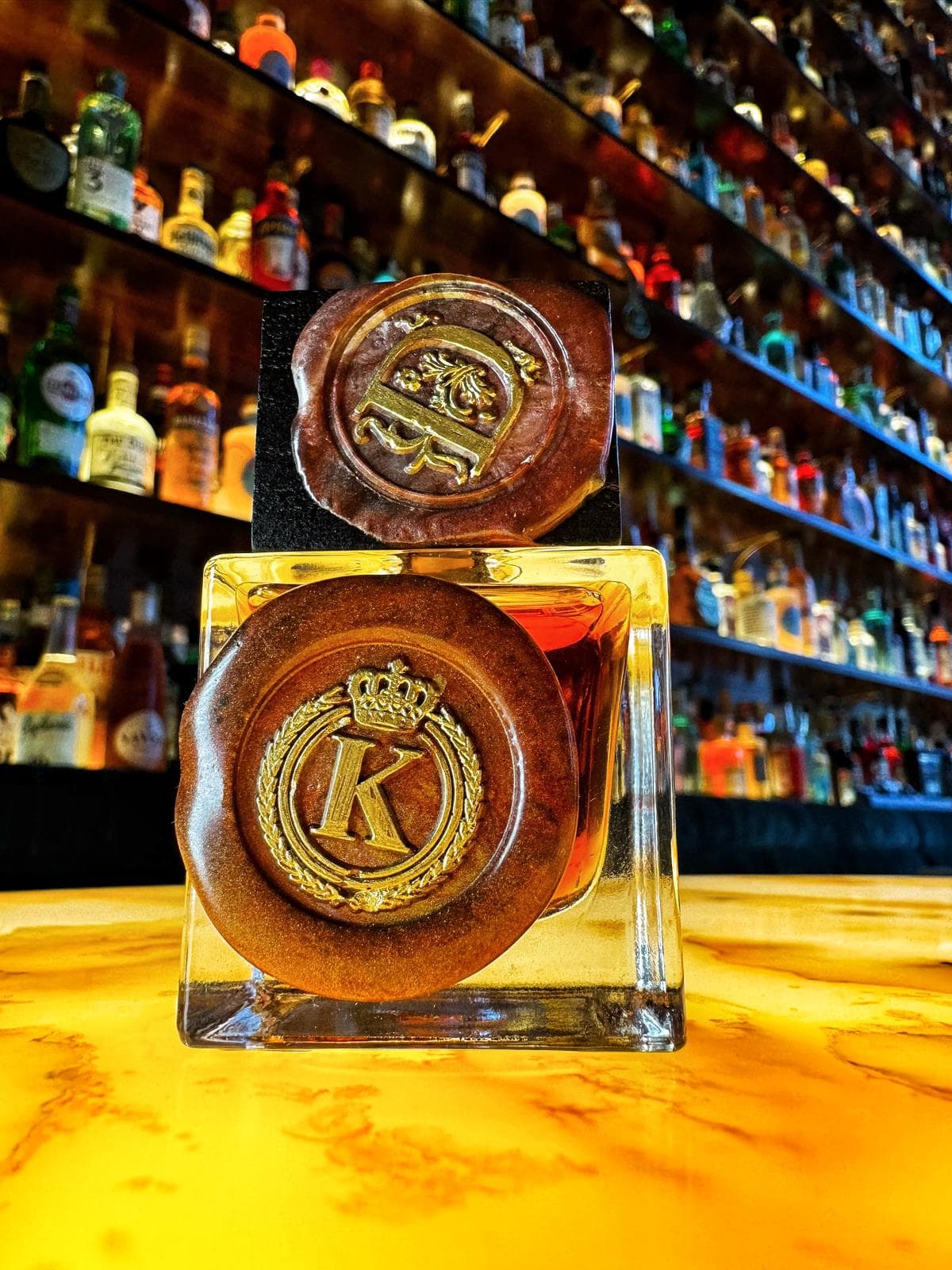
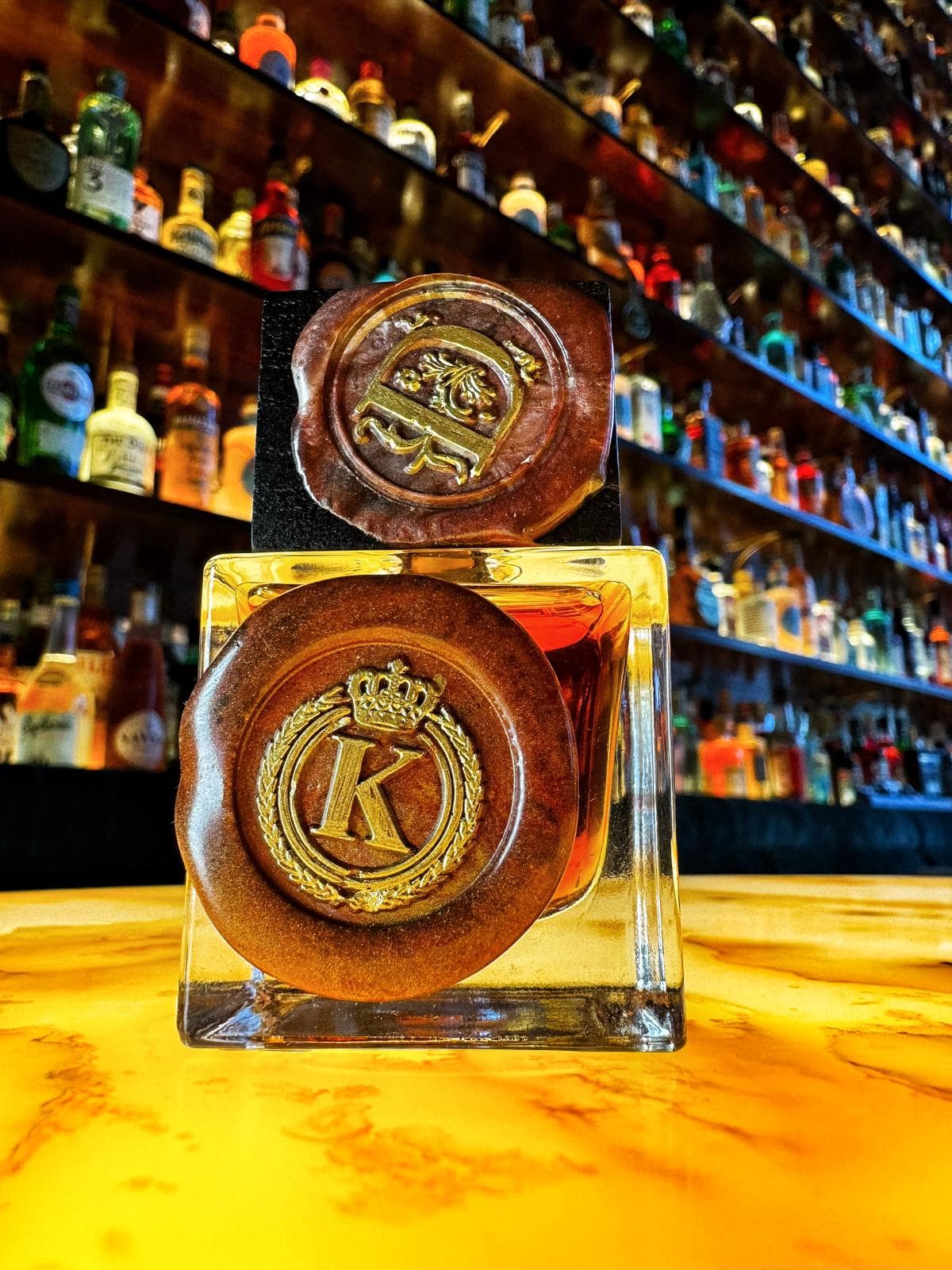
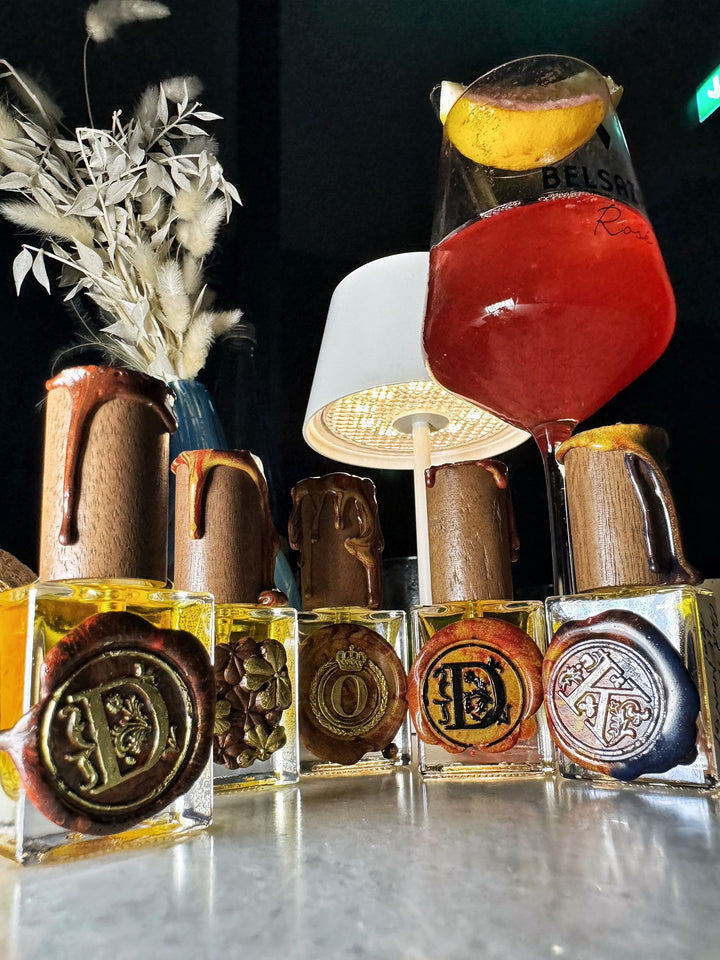
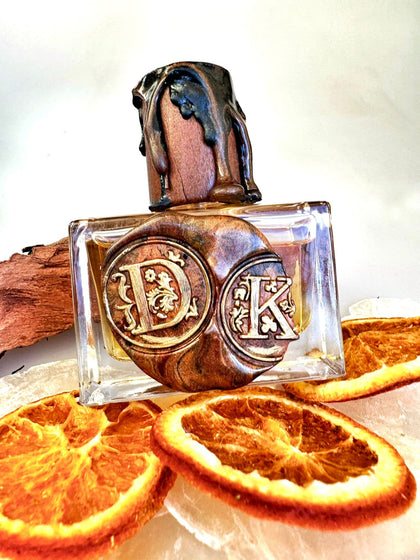
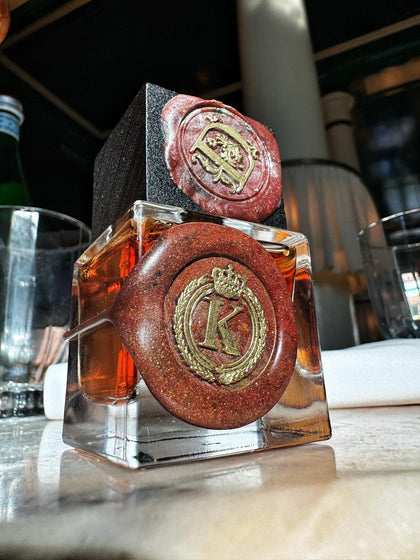
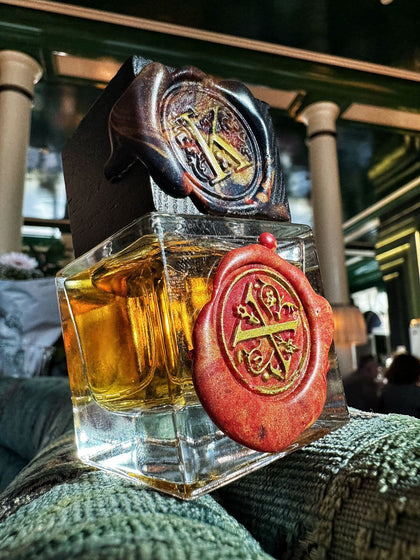
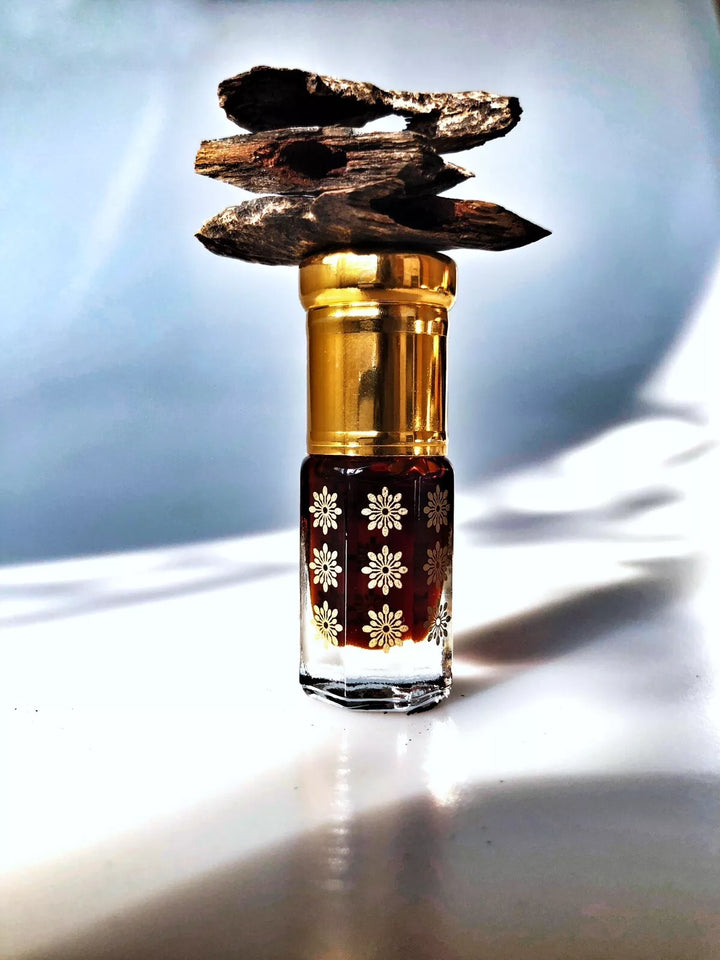
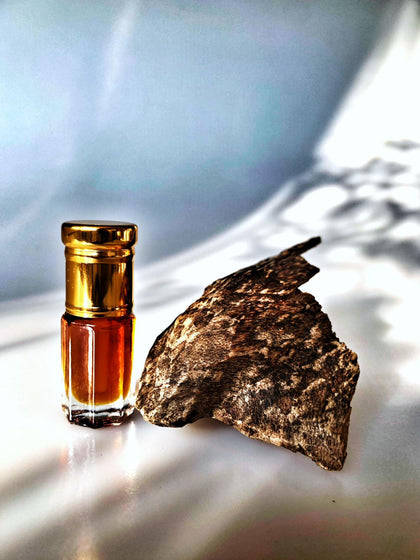
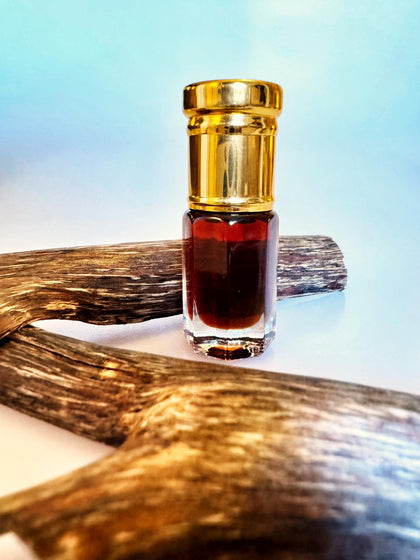
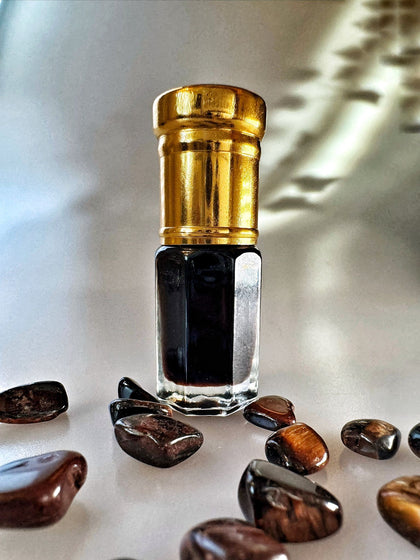
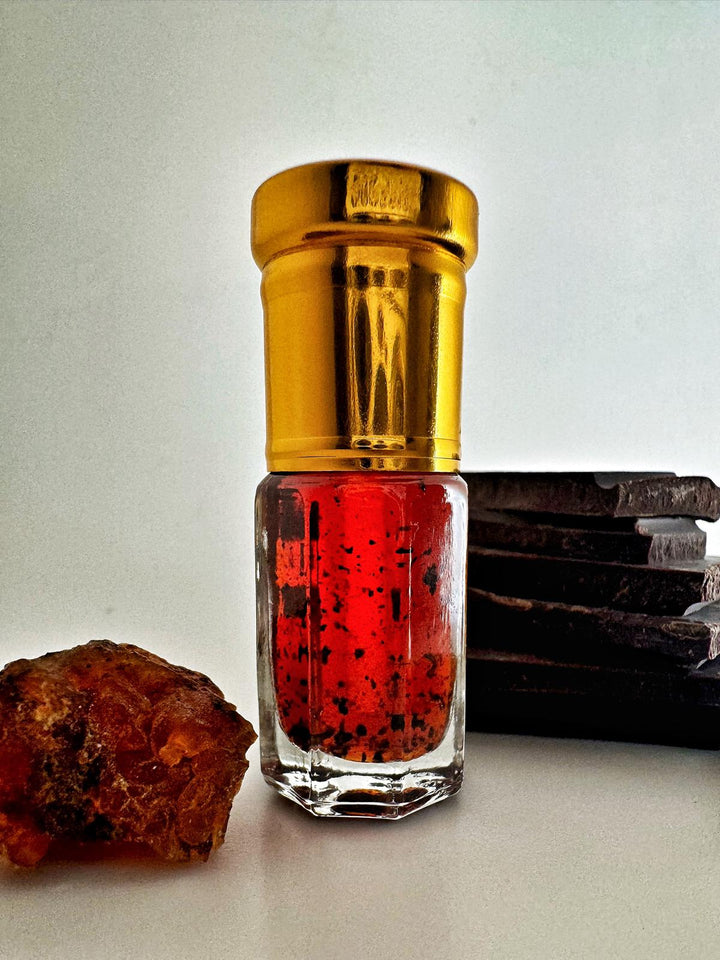
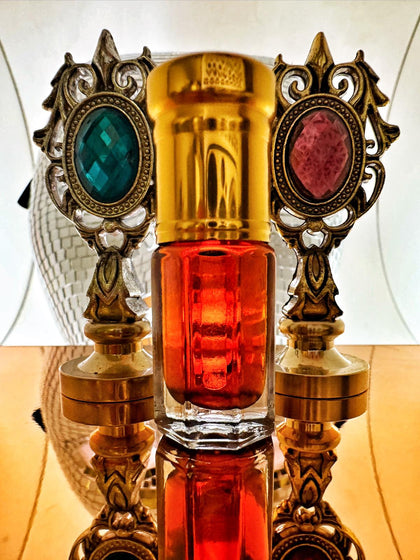
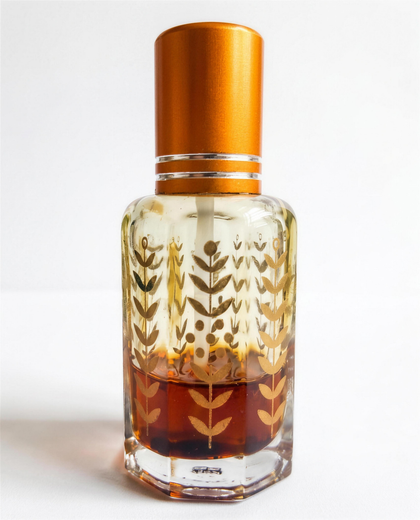
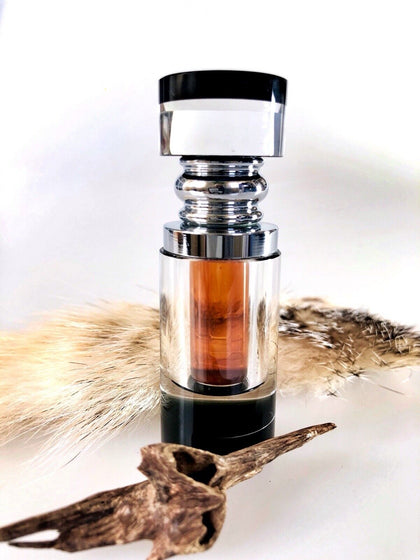
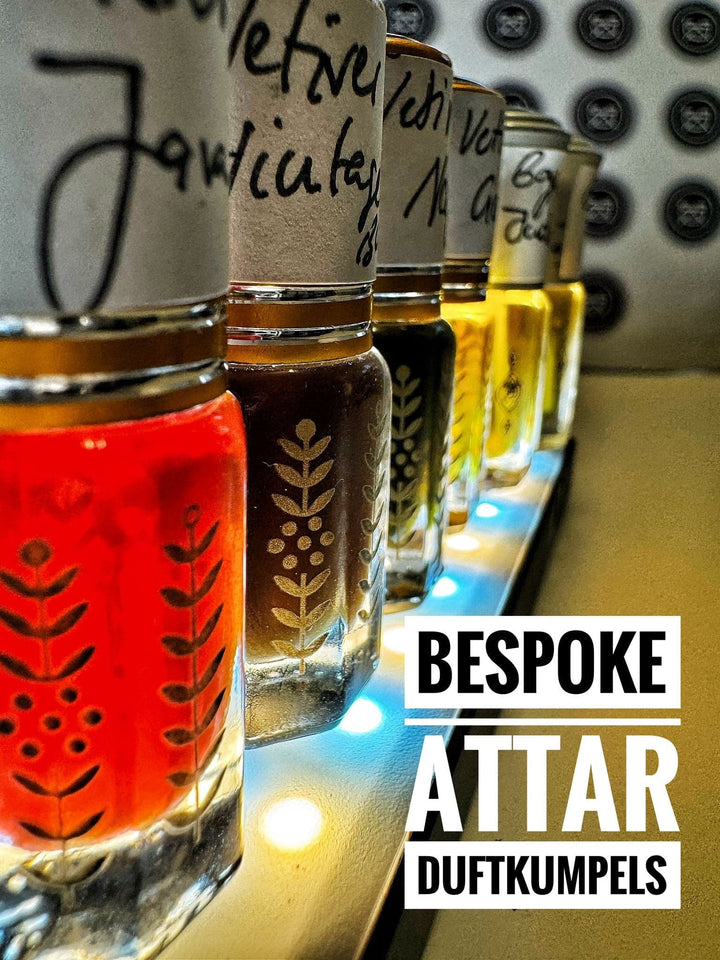
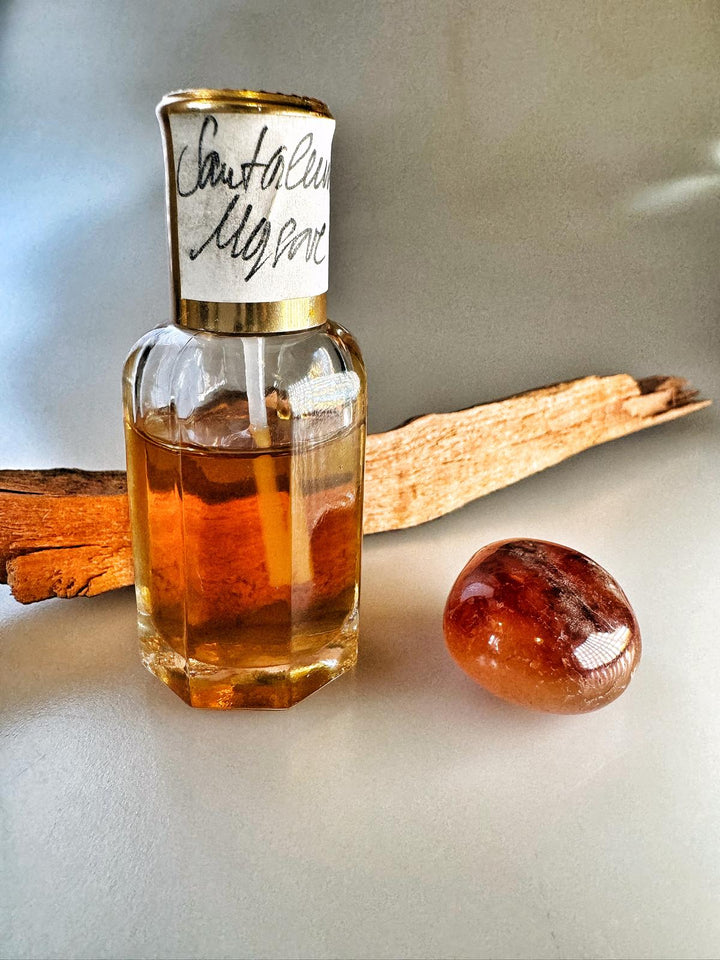
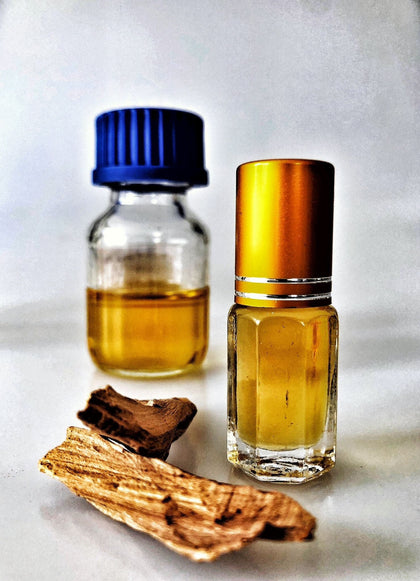
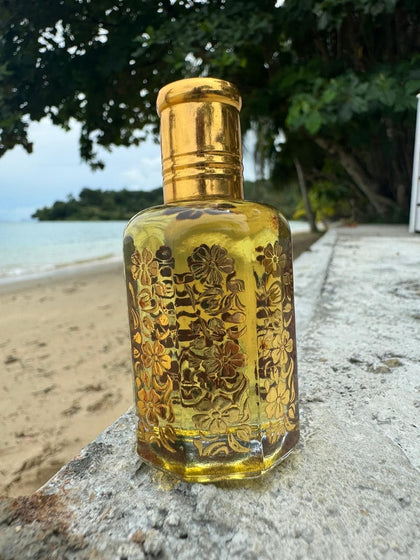
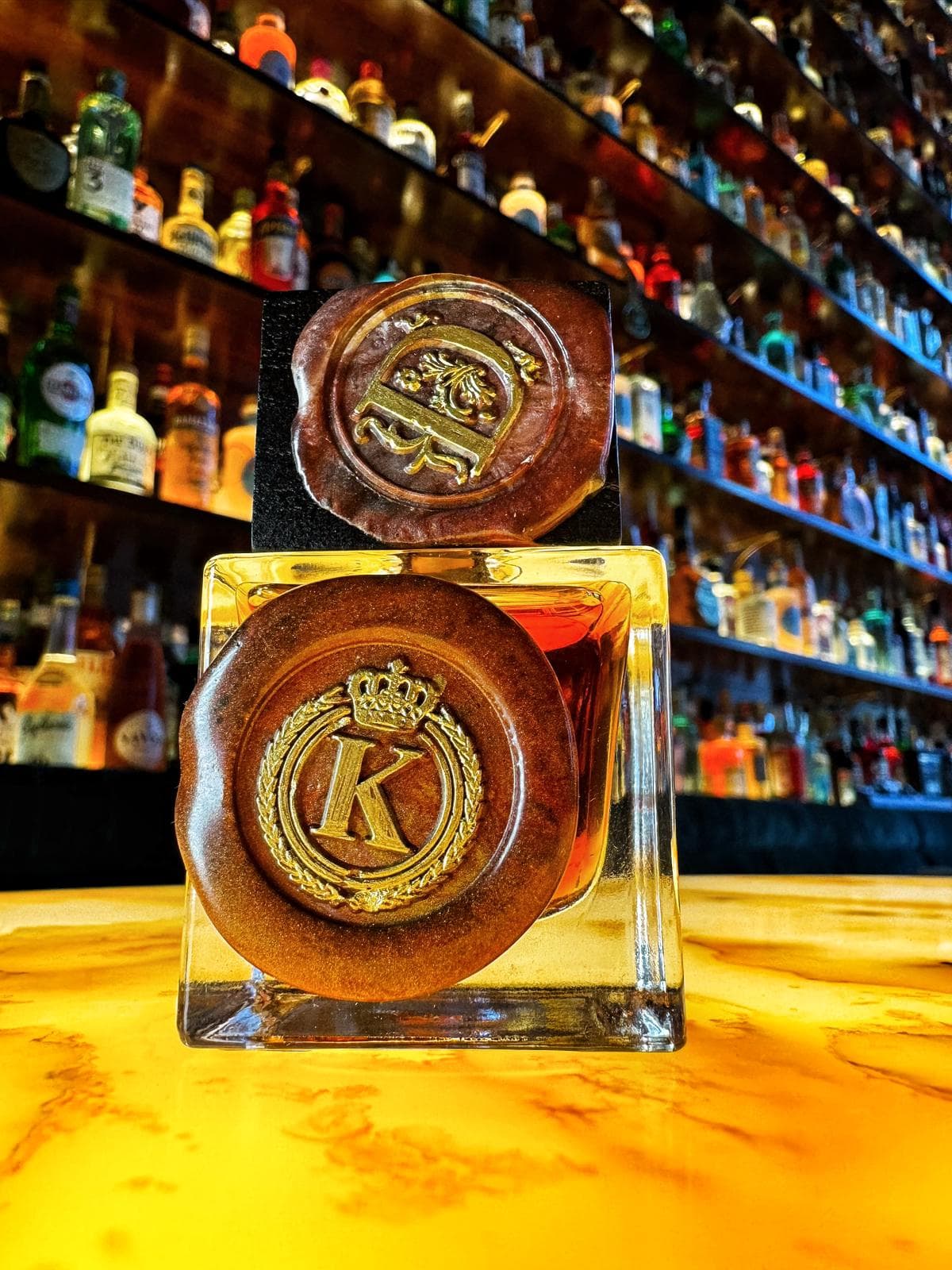
The top class. Extraits offer 12–24 hours of longevity and show the full complexity of a composition. At Duftkumpels all our creations are Extraits – among them Al Hayvaan and Ambra al Hambra. Learn more on our Extrait knowledge page .
What does the concentration mean in practice?
Longevity compared
An Extrait typically lasts twice as long as an EDT. That means: less reapplying, less consumption, and ultimately often better value for money despite the higher bottle price.
Sillage and projection
A higher concentration does not automatically mean stronger projection. Extraits often sit closer to the skin and reward intimacy. Tonkin Sunset demonstrates this perfectly: a noble aura without being intrusive.
Fragrance development
The higher the concentration, the more complete the fragrance development. In an Extrait you experience top, heart and base notes in full splendour. Our Leather 4 Love shows all three phases exemplarily.
Our recommendation
Invest in a few highly concentrated fragrances instead of many weak ones. An Extrait de Parfum from Duftkumpels replaces three average EDTs – in quality, longevity and joy.