


Which Perfume Suits My Skin Type?
Have you ever wondered why the same perfume smells completely different on your best friend than on you? The reason lies literally beneath the surface: your skin type, your pH value and even your diet influence how a fragrance behaves on your skin.
How the skin influences the fragrance
The skin is not a neutral carrier – it is a living organ with its own microbiome, sebum production and temperature regulation. All these factors interact with the fragrance molecules of a perfume. Warm skin increases evaporation and thus the projection of a fragrance. Oily skin binds oil-based fragrance molecules longer. Dry skin, on the other hand, lets fragrances fade faster because the moisture needed as a binding agent is missing.
Dry skin: choose intense fragrances
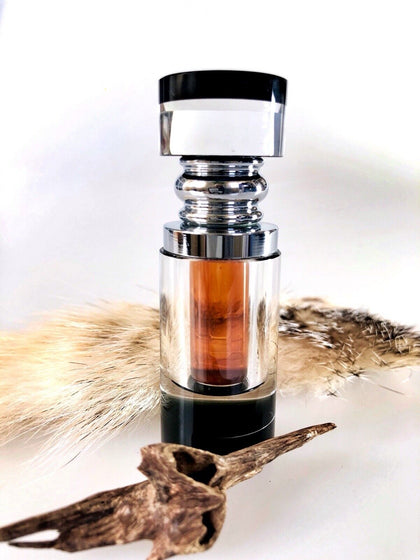
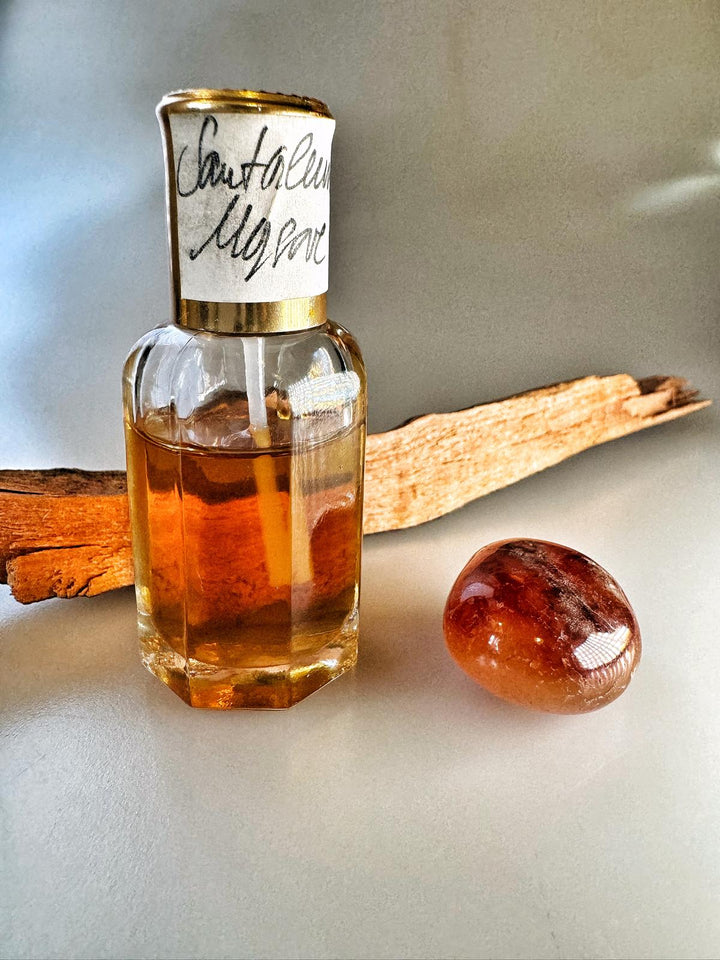
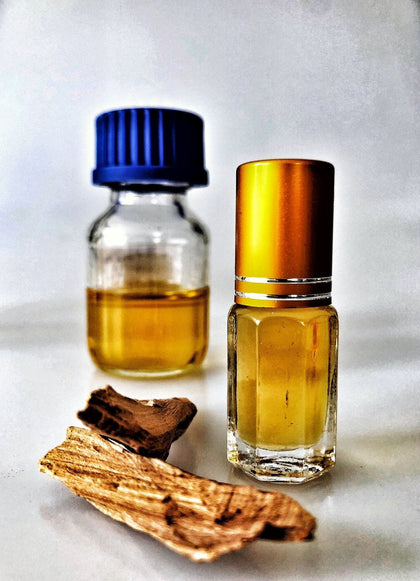
Dry skin absorbs fragrance molecules quickly and releases them just as quickly. You therefore need more intense formulations. Extrait de Parfum with a high fragrance oil concentration (20–40%) is ideal. Oriental and woody fragrances with heavy base notes such as oud, amber and sandalwood last better. Our Extrait de Parfum guide explains the differences between the concentrations in detail. Tip: apply an unscented moisturiser before the perfume – it serves as a base for the fragrance molecules to adhere to.
Recommended fragrance families for dry skin
Oriental fragrances with amber, vanilla and spices. Woody fragrances with sandalwood, cedarwood and oud. Balsamic fragrances with benzoin, styrax and tolu. These notes have large, heavy molecules that evaporate more slowly. Ambra al Hambra is a perfect example of a fragrance that works wonderfully on dry skin.
Oily skin: the natural fragrance reservoir
You are in luck – oily skin is the best perfume carrier of all. The natural sebum binds fragrance molecules and releases them evenly over hours. You can wear lighter concentrations and still expect good longevity. But be careful: heavy fragrances can feel overwhelming on oily skin because they project more strongly.
Sensitive skin: tolerance comes first
If your skin is prone to irritation, pay particular attention to the ingredients. Natural raw materials such as oud and musk are often better tolerated than synthetic substitutes. Spray the perfume on clothing instead of directly on the skin. High-quality niche fragrances such as Leather 4 Love often use carefully selected natural ingredients that are gentler on the skin. You can learn more about ethical raw material sourcing on our page on deer musk ethics.
The pH value and its role
The natural pH value of the skin lies between 4.5 and 5.5. Deviations can change the perception of the fragrance. Soaps and aggressive cleansers raise the pH value and can cause fragrances to smell different or fade faster. Use pH-neutral cleansing products to create the optimal base for your perfume.
Diet and lifestyle
What you eat influences your body odour and therefore the development of the fragrance on your skin. Spices such as garlic, turmeric and cumin can show up in sweat. Drinking plenty of water keeps the skin hydrated and improves fragrance adhesion. Discover our perfume collectionto find the fragrance compatible with your personal skin type.