


Perfume Allergy: What to Do?
Perfume allergy – when fragrance becomes a burden
More and more people complain of intolerances to perfumes. The good news: often the problem is not the fragrance itself but certain synthetic ingredients. At Duftkumpels we rely on highly concentrated natural perfumery – an approach that helps many allergy sufferers.
Common triggers
Most perfume allergies are triggered by synthetic fragrance substances, preservatives and alcohol additives. Lilial, HICC and certain synthetic musks in particular are under suspicion. Natural raw materials such as real oud or ambergris cause reactions far less often.
Recognising symptoms
Skin redness, itching, headaches and respiratory complaints are typical symptoms. If you experience these reactions only with certain perfumes, individual ingredients – not perfume in general – are probably the problem.
Approaches to a solution
Prefer natural raw materials
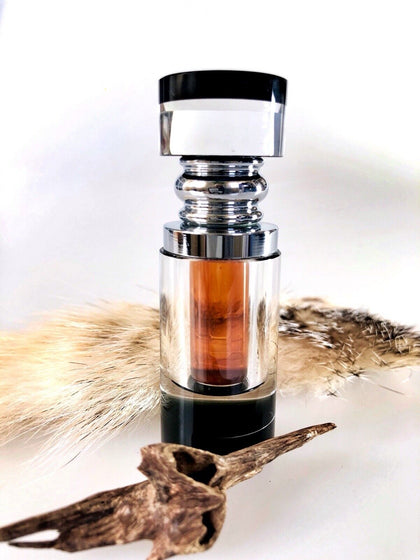
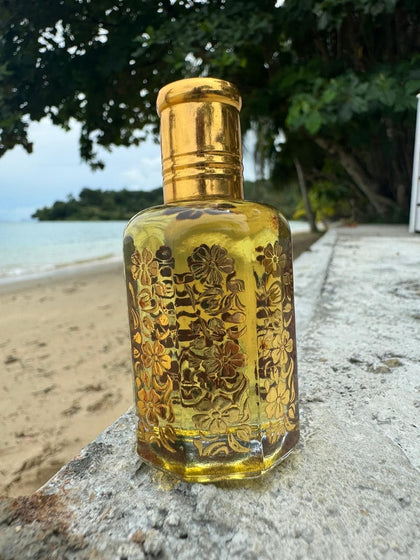
Perfumes with a high proportion of natural raw materials are often better tolerated. Al Hayvaan uses natural oud, amber and musk – raw materials humanity has lived with for millennia.
Extraits instead of EDTs
Higher concentration means less alcohol. Since alcohol itself can be an irritant, Extraits such as Ambra al Hambra or Tonkin Sunset are often more tolerable than highly alcoholic EDTs.
Do a patch test
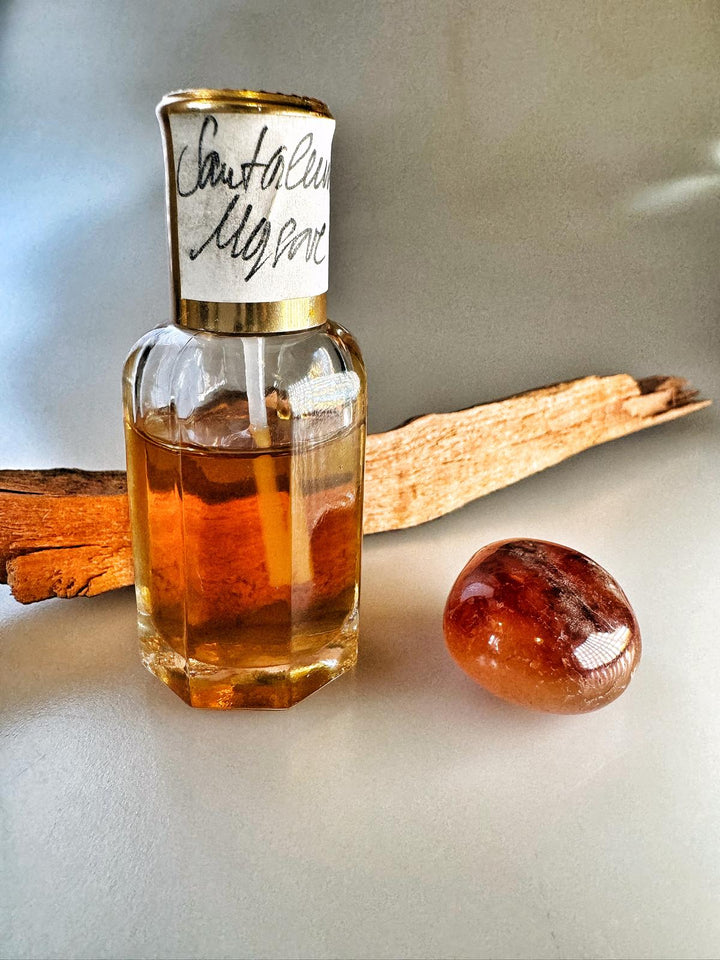
Apply a small amount to the inside of your forearm and wait 24 hours. In case of redness or itching, avoid the fragrance. Leather 4 Love with natural castoreum and sandalwood is a good candidate for sensitive noses.
When to see a doctor?
In case of severe or persistent reactions, consult a dermatologist. An allergy test can identify the exact triggers. With this knowledge you can specifically choose fragrances that do not contain these substances.