
Animalic vs. Plant-Based vs. Synthetic Musk
Musk is one of the most important raw materials in perfumery – and at the same time one of the most misunderstood. Today, "musk" refers to three fundamentally different fragrance families: animalic, plant-based and synthetic. Each has its own history, its own scent profile and its own ethics. In this guide we clarify the differences.
The history of musk
The name "musk" comes from the Sanskrit word "muska" (testicle) and originally refers to the glandular secretion of the Tibetan musk deer. It was used in perfumery for over 3,000 years until species protection regulations severely restricted the trade.
Musk in cultural history
The Prophet Muhammad ﷺ said: "The best of perfumes is musk." (Sahih Muslim). In Chinese medicine, in Indian Ayurveda and in Arabian court culture, musk has played a central role for centuries. In Europe it was brought back by the crusaders and was a status symbol for centuries.
Animalic musk (deer musk)
Genuine animalic musk is obtained from the preputial gland of the male musk deer.
Scent profile
- Warm and animalic with leathery-creamy facets
- Powdery-sweet with chocolatey-resinous nuances
- Close to the skin – the scent seems to come straight from the skin
- Long-lasting up to 48 hours on skin and clothing
- Aphrodisiac – classically described this way in many cultures
Ethics and availability
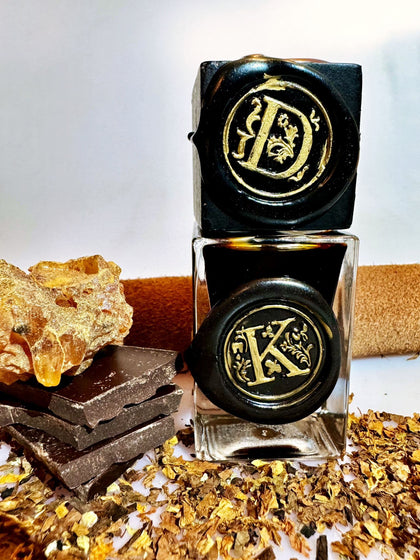
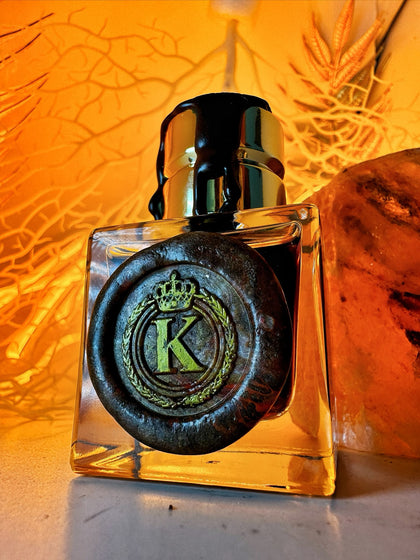
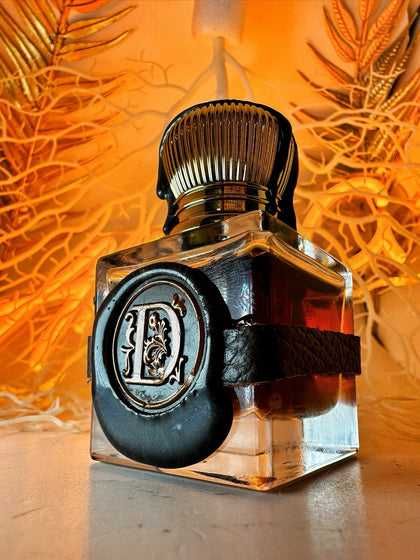
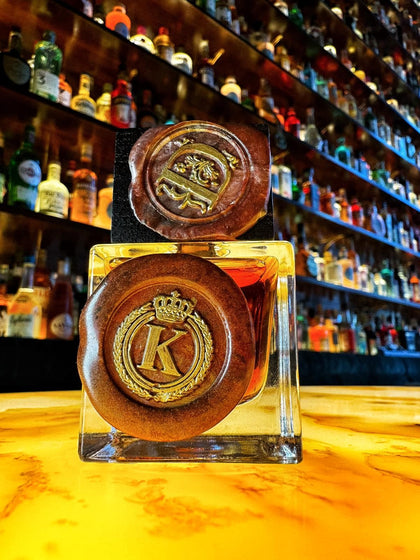
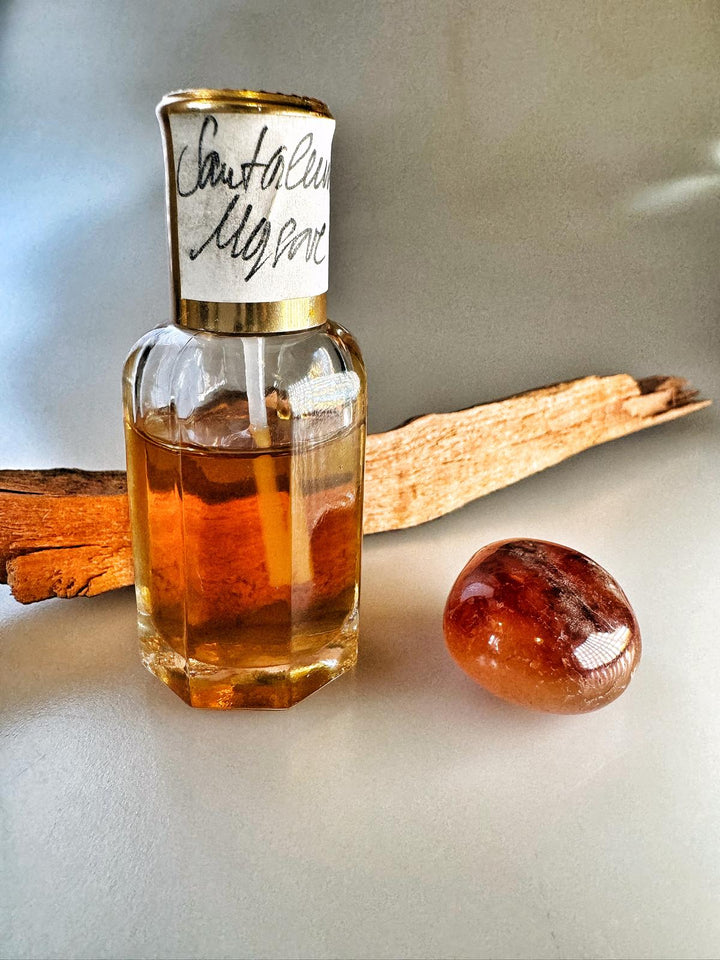
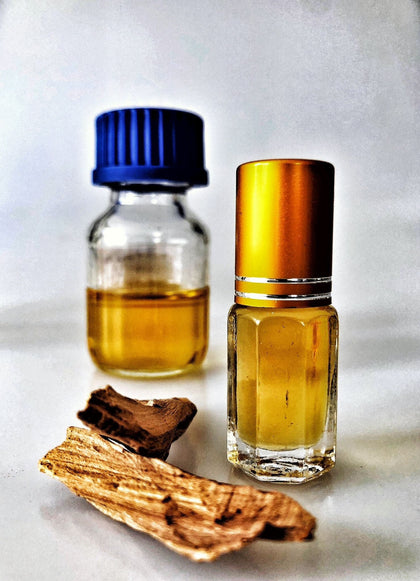
Genuine deer musk is CITES-regulated. Reputable suppliers such as Duftkumpels use certified sources exclusively. The deer musk that founder and perfumer AttarG personally selects for Duftkumpels comes from the Himalayas – often available only in tiny quantities. Musk Al Khurasan XDP shows genuine musk in an ethically impeccable form.
Plant-based musk (ambrette, angelica)
Various plants produce musk-like aromatic substances. The best known are:
Ambrette (Abelmoschus moschatus)
Distilled from the seeds of the ambrette plant. Smells warm, slightly nutty, with musky depth. Much lighter than animalic musk, perfect for summer compositions.
Angelica root
Angelica archangelica produces an essential oil with earthy, musk-like nuances. Traditionally used in European monastery perfumeries.
Galbanum and others
Resinous plants such as galbanum can also have musk-like nuances, especially in combination with other raw materials.
Advantages of plant-based musks
- Vegan: No animal ingredients
- Lighter: Less intense, suitable for summer
- Cheaper: Plantation cultivation possible
- Universal: Popular in modern compositions too
Synthetic musk
Synthetic musk was discovered at the end of the 19th century – first by accident, by Albert Baur while producing explosives. Today there are dozens of synthetic musk molecules with different properties.
The three generations
- Nitro musks (1880s–1950s): Largely banned today due to allergy potential
- Polycyclic musks (1950s–1990s): Galaxolide, Tonalide – the mainstream standard
- Macrocyclic musks (from the 1990s): The most modern, closest to the natural ones
Macrocyclic musks
Molecules such as Muscenone, Exaltolide or Habanolide come close to the complexity of natural musk. They are biodegradable and skin-friendly. Modern niche perfumeries use them intensively.
The comparison: scent experience
Animalic musk
- Deep animalic warmth
- Complexity that develops over hours
- Unique "skin" quality
- Expensive (€1,000–5,000 per gram depending on quality)
Plant-based musk
- Lighter, brighter
- Lacks the animalic depth
- Perfect for summer and layering
- Affordable (€50–200 per kg)
Synthetic musk
- Highly variable depending on the molecule
- Modern macrocyclics close to the natural
- Low in allergens, stable
- Cheap (a few euros per gram up to at most €100 per kg)
The combination in niche perfumery
High-quality niche perfumeries – like Duftkumpels – often combine all three types of musk: a touch of genuine deer musk for depth, plant-based musk notes for nuance, synthetic macrocyclics for projection and longevity. The result is more complex than any single category.
Duftkumpels compositions
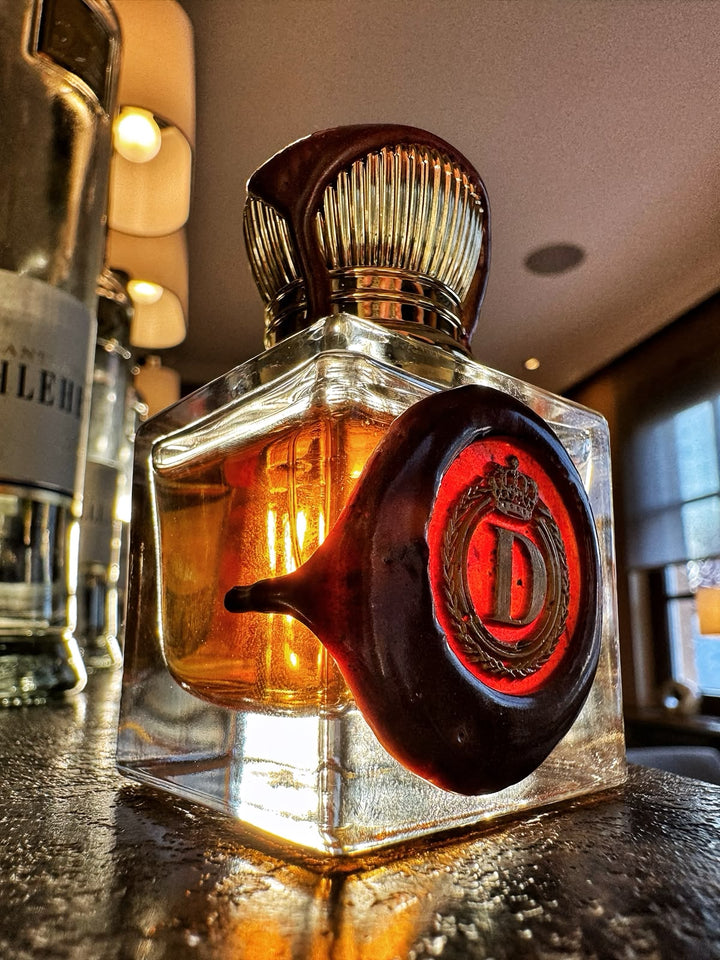
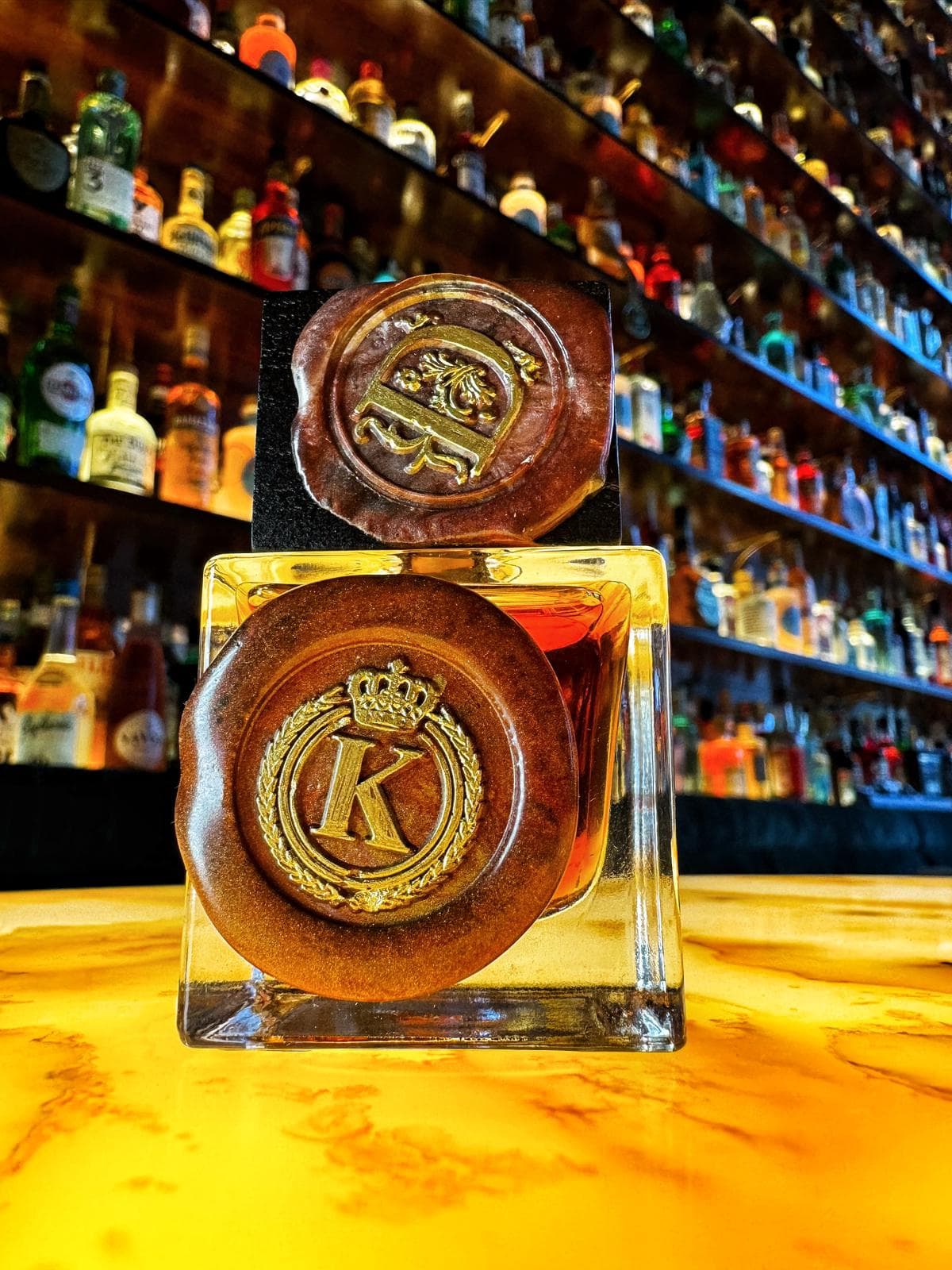
Al Hayvaan XDP contains genuine deer musk in a small quantity, supported by musk synergies. Our other compositions use partly plant-based, partly macrocyclic musks.
Ethics and the future
Perfumery is increasingly moving towards ethical solutions. Musk deer in captivity are gently milked (not killed). Plant-based alternatives are being developed further. Biotech processes create new musk-like molecules from yeast. The future looks diverse.