

Perfume in the Islamic Tradition
In Islam, pleasant fragrance holds a very special place. The Prophet Muhammad (peace be upon him) is quoted in numerous hadiths that emphasise the importance of pleasant scents. In no other world religion is perfume as deeply woven into everyday life, prayer practice and social life as in Islam.
The prophetic tradition of fragrance
According to Islamic tradition, the Prophet Muhammad said: "Three things of your world have been made dear to me: perfume, women and prayer." (An-Nasai) He himself was known for always smelling pleasant and encouraged his community to do the same – especially for Friday prayer and at social gatherings. Musk (misk) was his preferred fragrance, and he described it as the best of all scents.
Oud: the scent of paradise
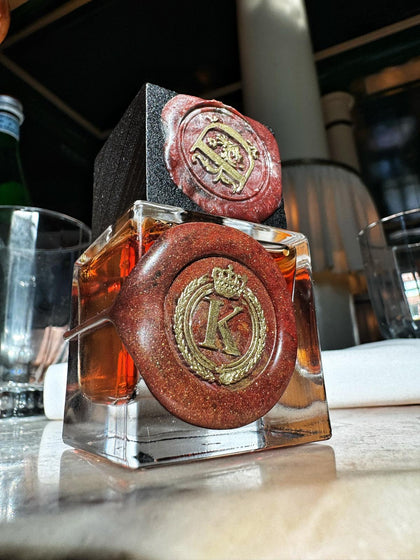
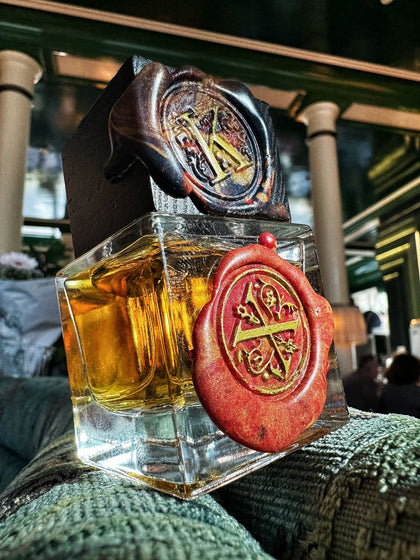
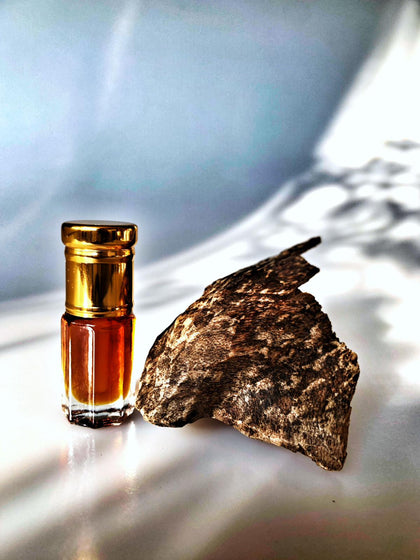
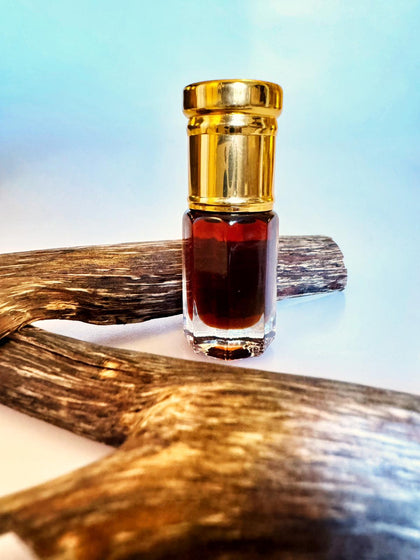
In Islamic texts, oud (al-oud) is associated with paradise (Jannah). The Prophet mentioned that the inhabitants of paradise will burn oud as incense. This spiritual connection has led to oud holding an outstanding position in Muslim societies. Learn more about this special raw material in our Oud guide. Also discover Al Hayvaan Extrait de Parfum – a modern Extrait de Parfum that honours this tradition.
Bukhoor: the art of incense burning
Bukhoor – incense made from oud wood chips mixed with natural oils and resins – is an integral part of Arab hospitality. Guests are welcomed with bukhoor smoke, clothing is scented with it, and before prayer the smoke symbolically purifies the room. This tradition goes back long before Islam, but was preserved and refined by Islamic culture.
Musk and its spiritual significance
Musk (misk) plays a central role in Islam. The Prophet compared the good companion to a musk-bearer: even if you buy nothing, you benefit from his pleasant scent. In the Islamic tradition, musk is used at birth ceremonies, weddings and religious holidays. Learn more about ethical sourcing on Deer Musk Ethics.
Alcohol-free fragrances: attar and perfume oil
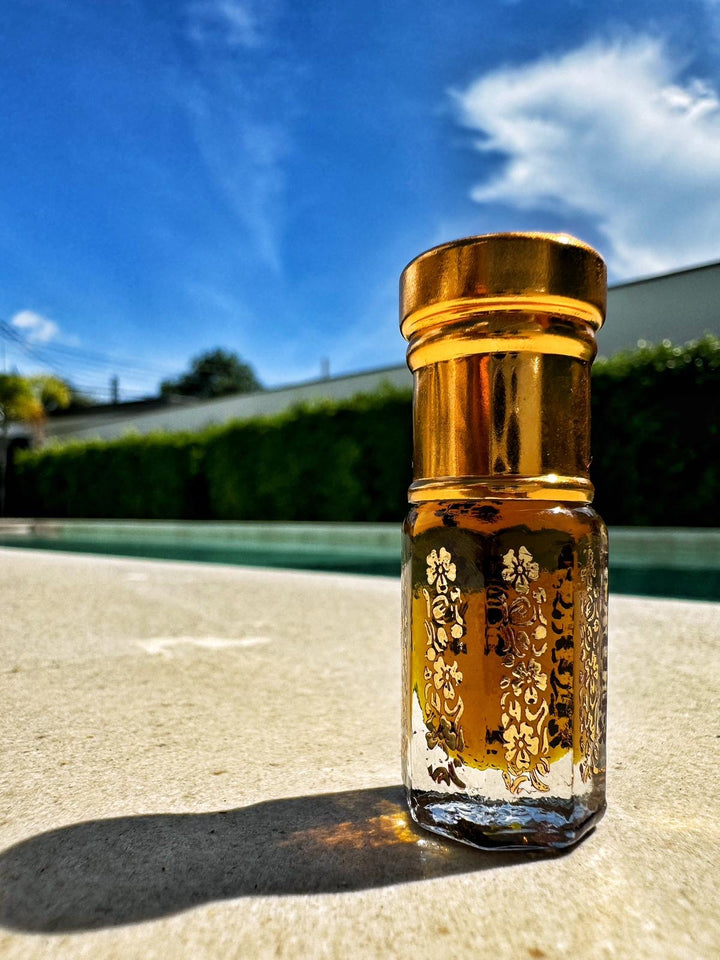
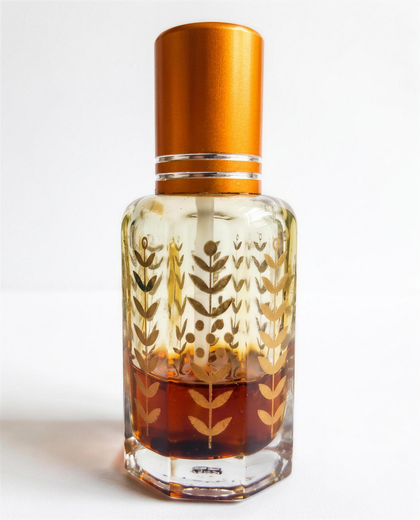
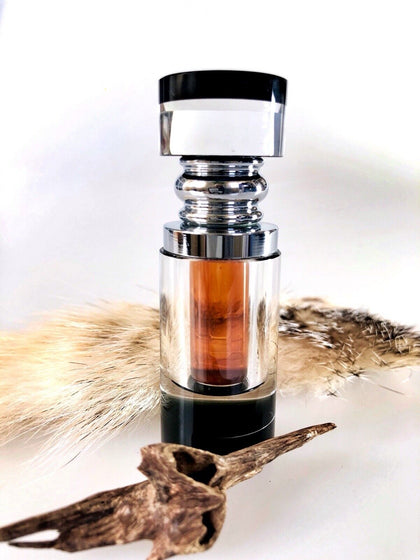
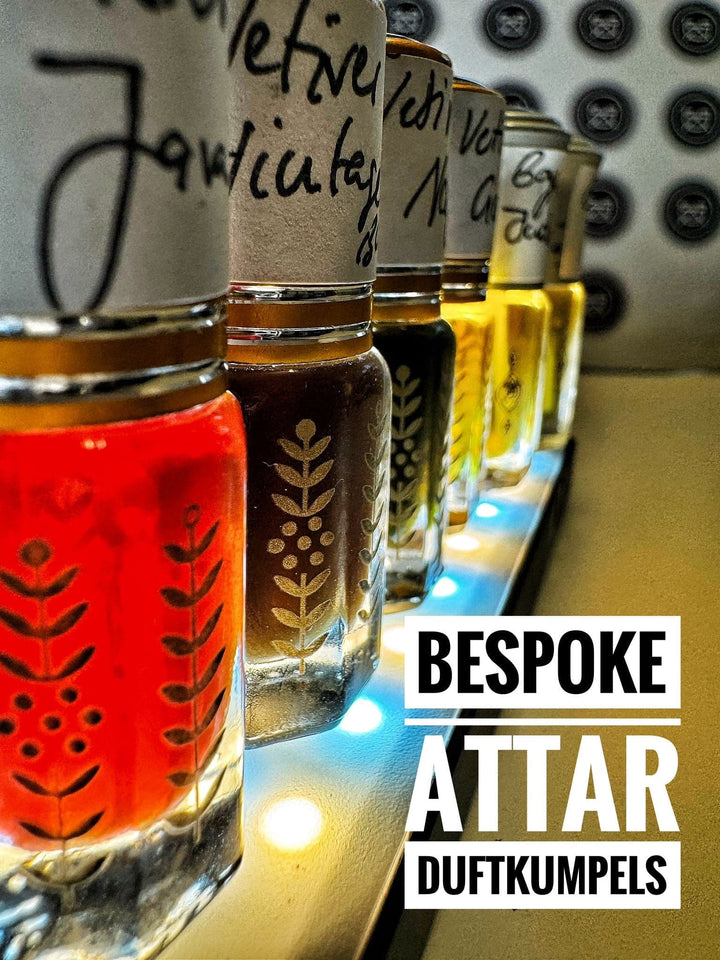
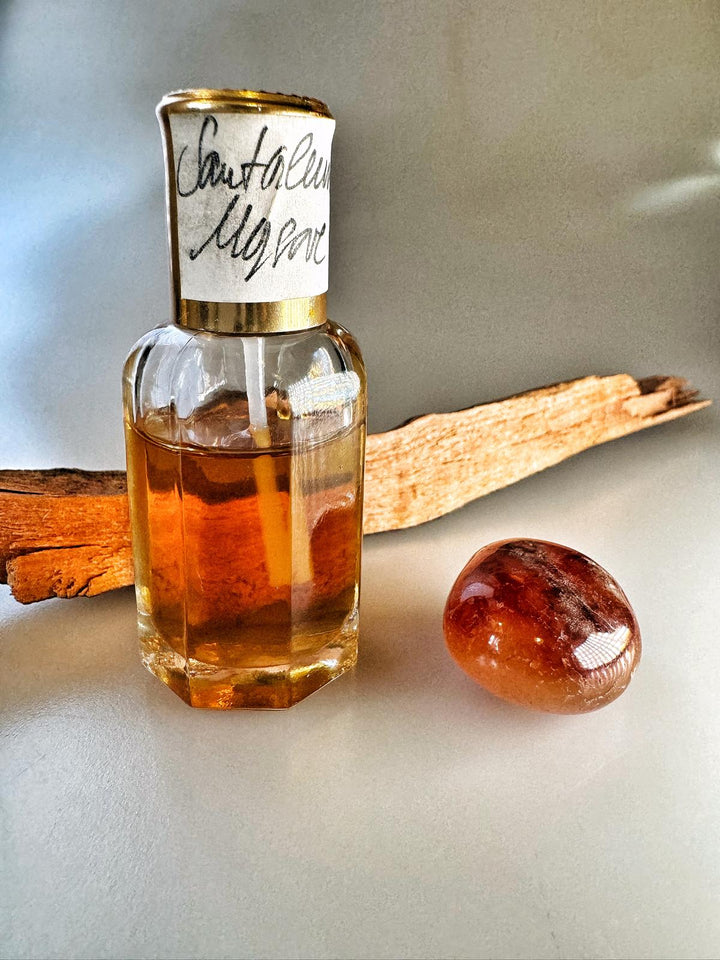
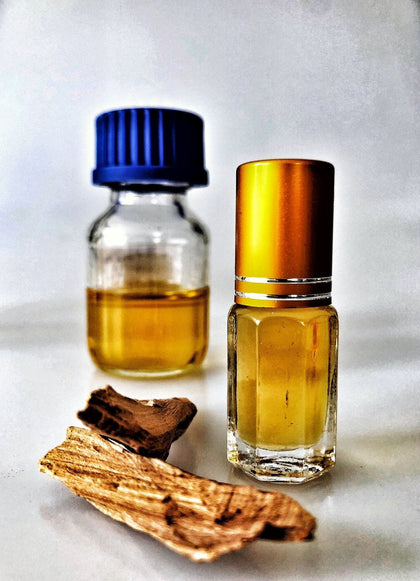
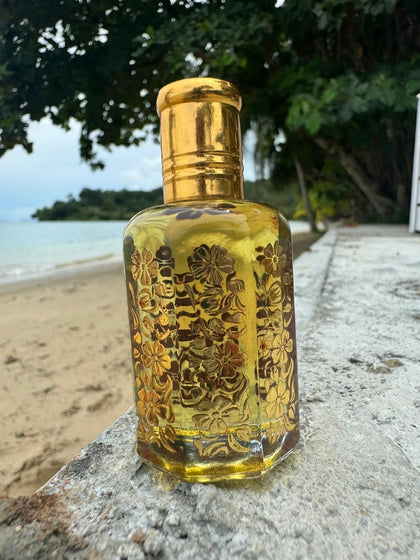
Since many Islamic scholars regard products containing alcohol as problematic, a rich tradition of alcohol-free fragrances has developed. Attars are highly concentrated perfume oils obtained through distillation or enfleurage. They contain no alcohol and are therefore suitable for both prayer and everyday life. In our attar collection you will find a selection of authentic attars.
Perfume and prayer
The ritual purification (wudu) before prayer is often complemented by applying perfume oil. Especially on Friday, the holiest day of the week, it is considered Sunnah (prophetic practice) to cleanse and perfume oneself with particular care. This ritual combines physical cleanliness with spiritual preparation.
Modern Arab perfumery
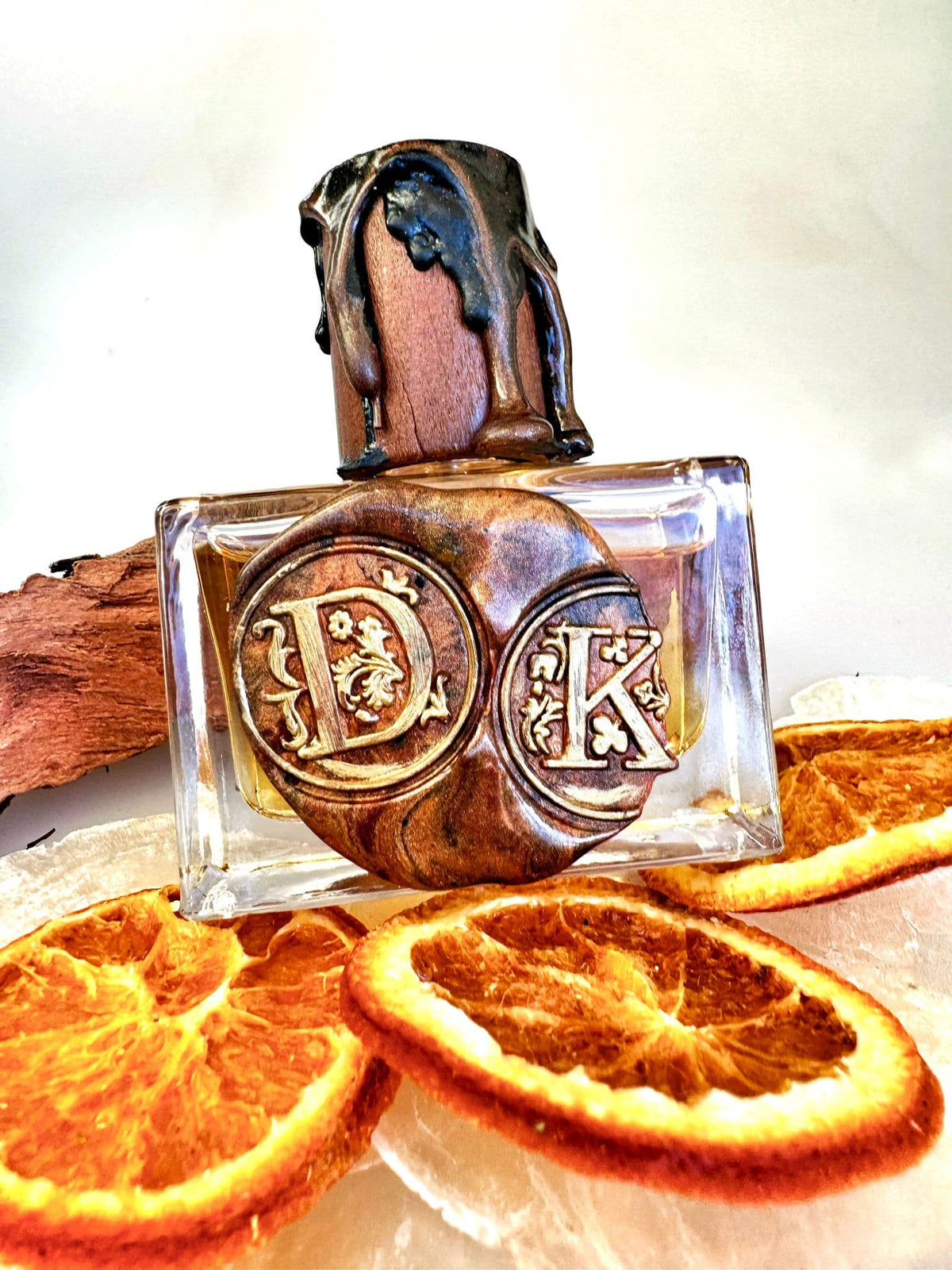
The Gulf states are today the largest market for niche perfumes worldwide. Brands such as Amouage (Oman), Rasasi and Swiss Arabian have united Arab fragrance tradition with modern perfume art. Likewise, Tonkin Sunset XDP combines oriental raw materials with contemporary craftsmanship. Discover our entire collection in our perfume collection.