

Amber and Ambergris: A Comprehensive Guide
Few terms in perfumery cause as much confusion as amber and ambergris. Are they synonyms? Stones? Animal products? This guide sheds light on the matter and explains why ambra notes are among the most fascinating in the world of fragrance.
Amber: the warm classic
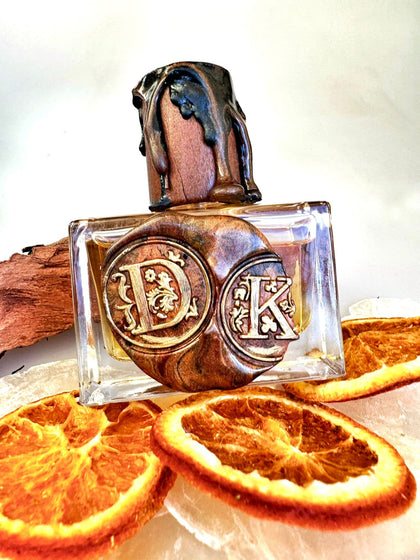
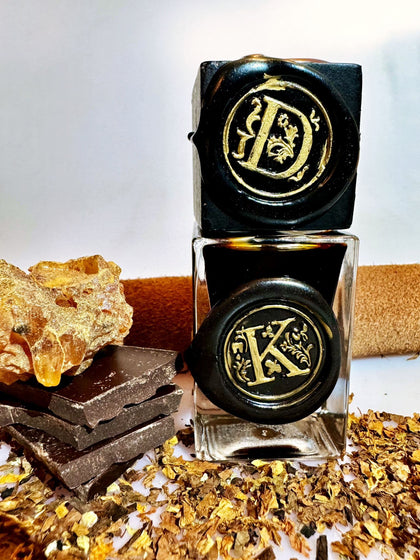
In perfumery, amber does not describe a single raw material but an accord – a combination of different ingredients that together create a warm, resinous, slightly vanilla-like scent. Typical components are labdanum resin, benzoin, vanilla, styrax and tonka bean. This amber accord forms the heart of many oriental fragrances and gives them warmth, depth and sensuality. Ambra al Hambra is an outstanding example of masterful amber composition.
Ambergris: the gift of the sea
Ambergris (Ambra grisea) is something completely different: a waxy substance that forms in the digestive tract of sperm whales. Fresh, it smells unpleasant, but after years of oxidation in salt water it develops a unique, warm, slightly sweet and marine scent that cannot be synthesised in any laboratory in the world. Ambergris was prized for centuries as a fragrance raw material and fixative – one gram is worth more than gold.
Bernstein: the fossil mix-up
Understandably, amber is also confused with Bernstein (English: amber). Bernstein is fossilised tree resin and has little to do with perfumery. The German term Ambra, on the other hand, usually refers to ambergris. The confusion is international and has grown historically.
Amber notes in modern perfumery
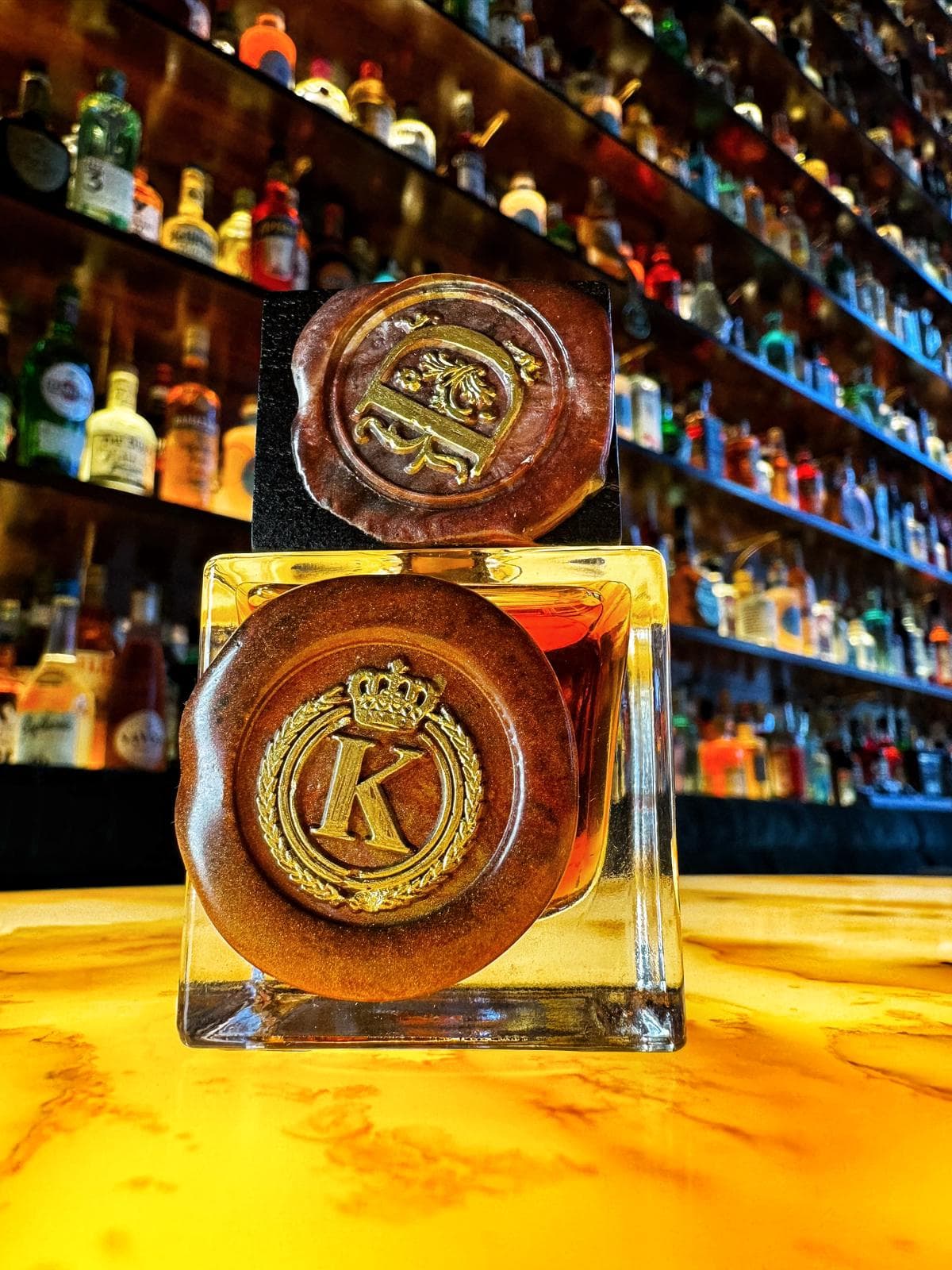
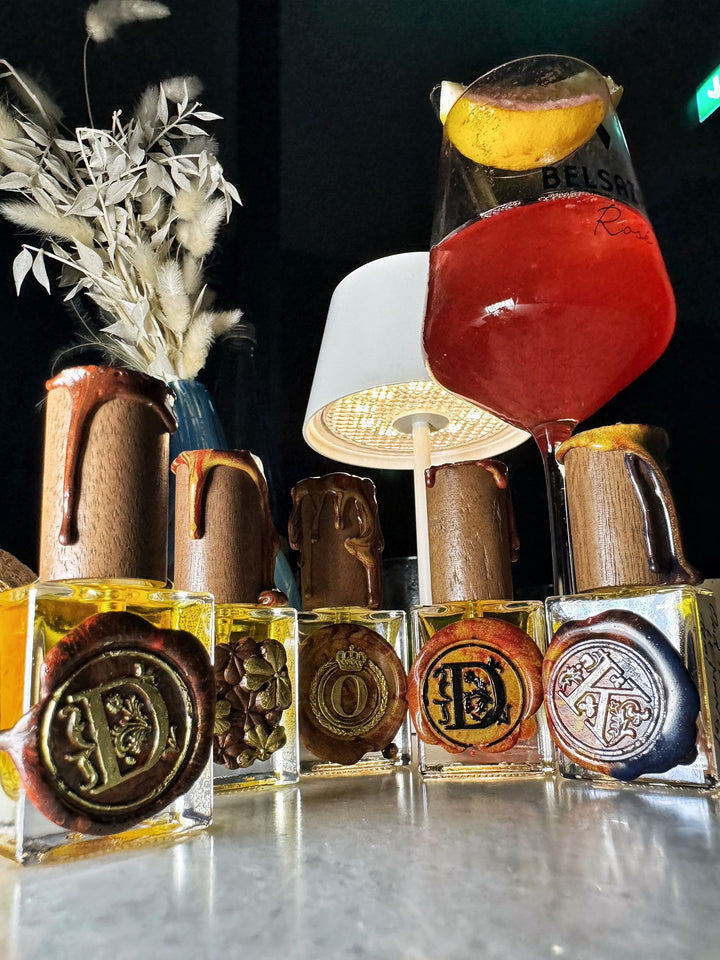
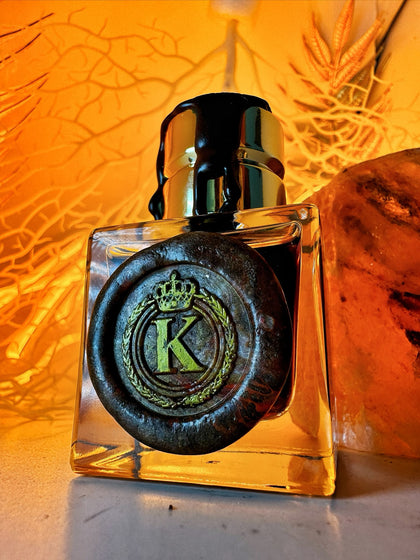
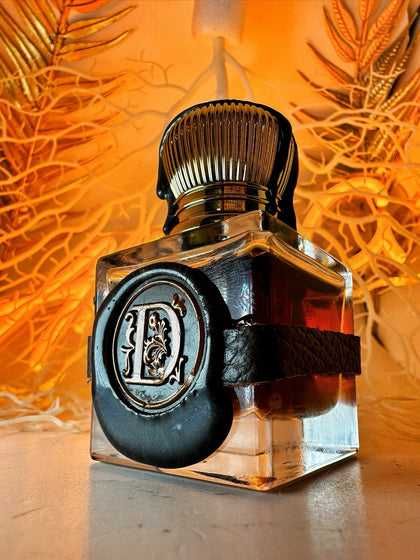
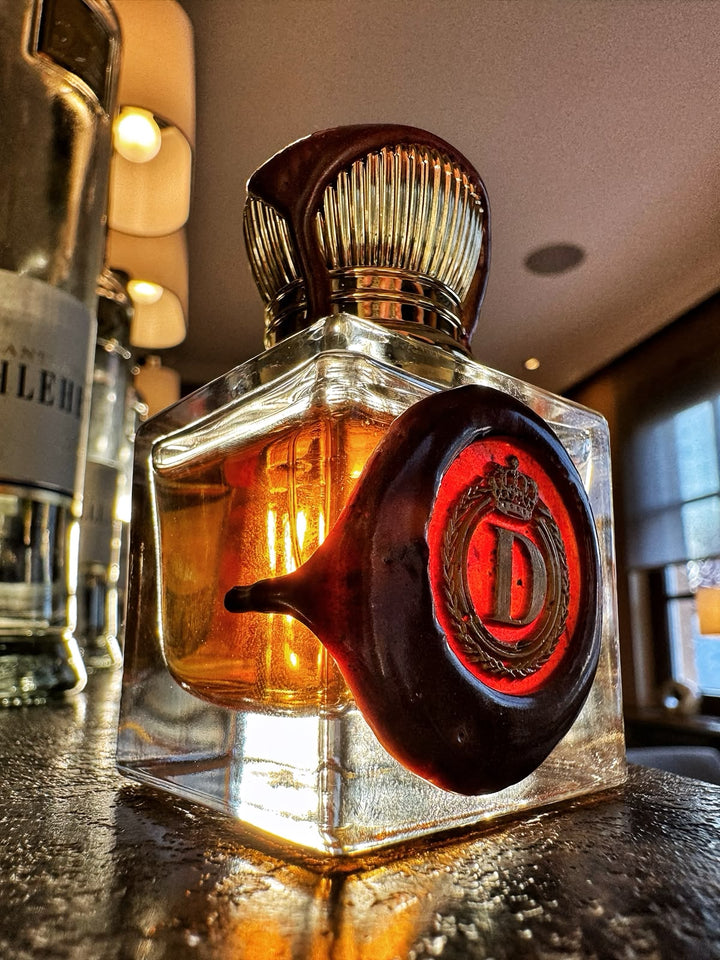
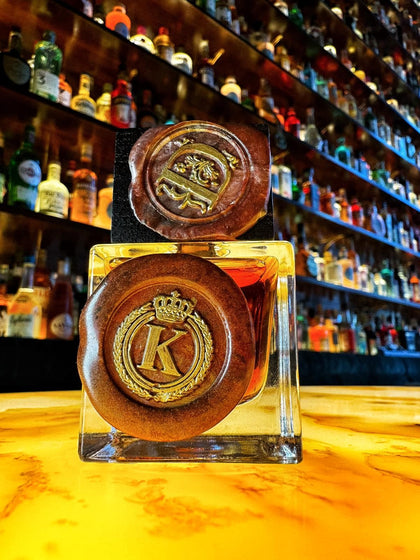
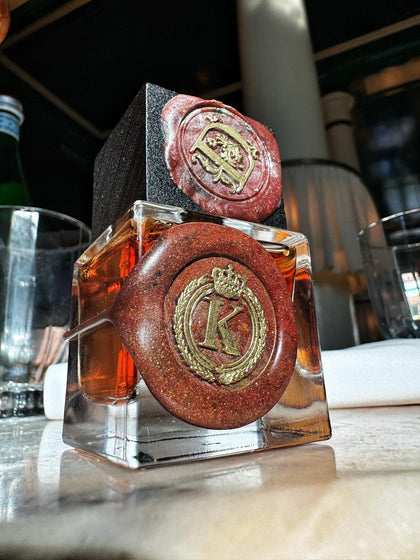
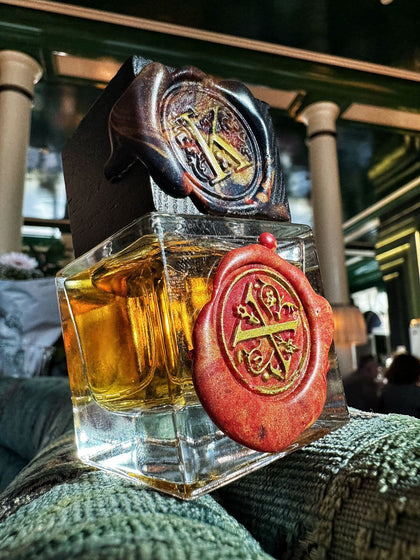
Since natural ambergris is extremely rare and expensive, most perfumers use Ambroxan – a synthetic molecule that imitates some aspects of the ambergris scent. High-quality niche houses nevertheless rely on natural alternatives or actual ambergris. In our range you will find both approaches: Al Hayvaan Extrait de Parfum works with complex amber notes that offer naturalness and depth. Discover the whole range in our perfume collection.
History and cultural significance
Amber and ambergris have a history spanning thousands of years. In ancient Egypt, labdanum was used in incense ceremonies. In medieval Europe, ambergris was both medicine and aphrodisiac. The Arab perfume tradition has used amber accords for centuries as the base for complex fragrance compositions. Learn more about the oriental perfume tradition in our Oud guide.
How to wear amber fragrances
Amber fragrances unfold best in the cold season and in the evening. Their warmth contrasts wonderfully with cold air. Apply them sparingly to pulse points – their projection is often stronger than expected. On dry skin, an unscented moisturiser as a base is recommended.