

Vintage Perfume: Why Old Formulas Are So Sought After
Vintage perfume. The term evokes a longing for a time when perfumes were composed from genuine raw materials, when perfumers did not depend on IFRA lists, when complexity triumphed over mass appeal. But what is really behind the vintage myth? Why do old perfumes often smell better than their modern successors? In this guide we shed light on the world of vintage perfumery.
What is vintage perfume?
Vintage perfume refers to bottles produced before a certain time (usually before 2000 or 2010). The boundary is fluid – depending on the connoisseur community, vintage is defined differently.
The vintage categories
- Classic vintage (before 1970): Original formulations of the great houses
- Golden vintage (1970–1990): The heyday of modern niche perfumery
- Modern vintage (1990–2010): Before the major IFRA restrictions
- Semi-vintage (from 2010): Newer bottles with the first restrictions
Why vintage smells different
The IFRA restrictions
Since the 2000s, the International Fragrance Association (IFRA) has issued increasingly restrictive rules for raw materials. Many ingredients are now banned or heavily restricted: oakmoss, birch tar, certain musk molecules, castoreum in high concentrations, vintage sandalwood.
The consequences
- Reformulations: Modern versions of classic perfumes are not identical
- Simplification: Complex raw materials are replaced by synthetics
- Availability: Some raw materials are no longer available in the same quality
- Cost pressure: Premium natural raw materials are cut to save money
The maturation of perfume
Apart from changes in formulation, many perfumes also mature with time. Well-stored bottles develop more complexity and roundness over the years.
What makes mature perfume better?
- Ester formation: Fragrance molecules recombine
- Softness: Sharp notes become milder
- Integration: Individual raw materials merge more
- Depth: The overall composition gains density
When vintage is not better
Not every vintage bottle is automatically better. Poor storage, light damage or contamination can ruin vintage bottles. The rule: vintage is better if it has been stored well.
The best vintage eras
The 1920s–1940s: the era of the great originals
Chanel N°5 (1921), Shalimar (1925), Joy (1930), Femme (1944). These perfumes set standards that remain the reference to this day. Original bottles from this period are museum pieces.
The 1950s–1970s: the golden years
Diorissimo (1956), Rive Gauche (1971), Opium (1977). Perfumery was artistically free, budgets generous, raw materials available.
The 1980s–1990s: the peak before regulation
Fahrenheit (1988), Angel (1992), Lolita Lempicka (1997). The last era before the strict IFRA restrictions. Many connoisseurs consider this period the pinnacle of modern perfumery.
Where to find vintage perfumes
Reputable sources
- Specialised collectors' boutiques: Mostly online, with documentation
- Auction houses: Christie's and Sotheby's occasionally offer perfume collections
- Estate sales: Often via eBay, but with caution
- Perfume forums: Basenotes, the Fragrantica marketplace
How to recognise fakes
- Check the batch code: Authenticity marking on the packaging
- Analyse the packaging: Print quality, colour matching
- Study the bottle shape: Originals have specific details
- Expect the scent: Connoisseurs immediately recognise whether the scent is right
- Question the price: Genuine vintage is rarely cheap
Vintage as an investment
Vintage perfumes have in some cases seen enormous increases in value over the past 20 years. An original Shalimar from 1925 now trades for thousands. Not every fragrance is suitable as an investment, but premium classics often perform better than shares.
What to consider when investing
- Prefer rare editions
- Unused bottles in original packaging
- Documented provenance
- Original seal
- Think long term (10–30 years)
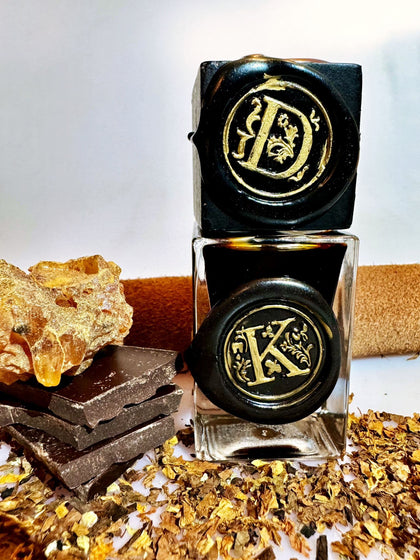
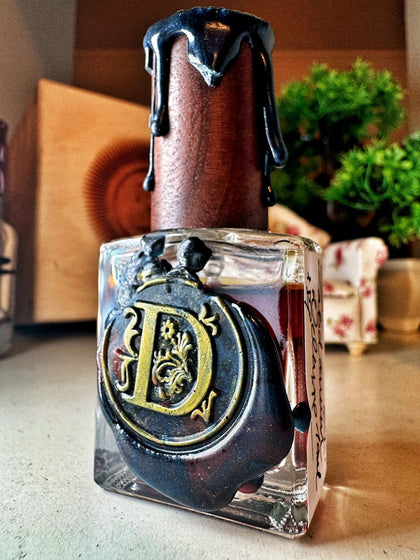
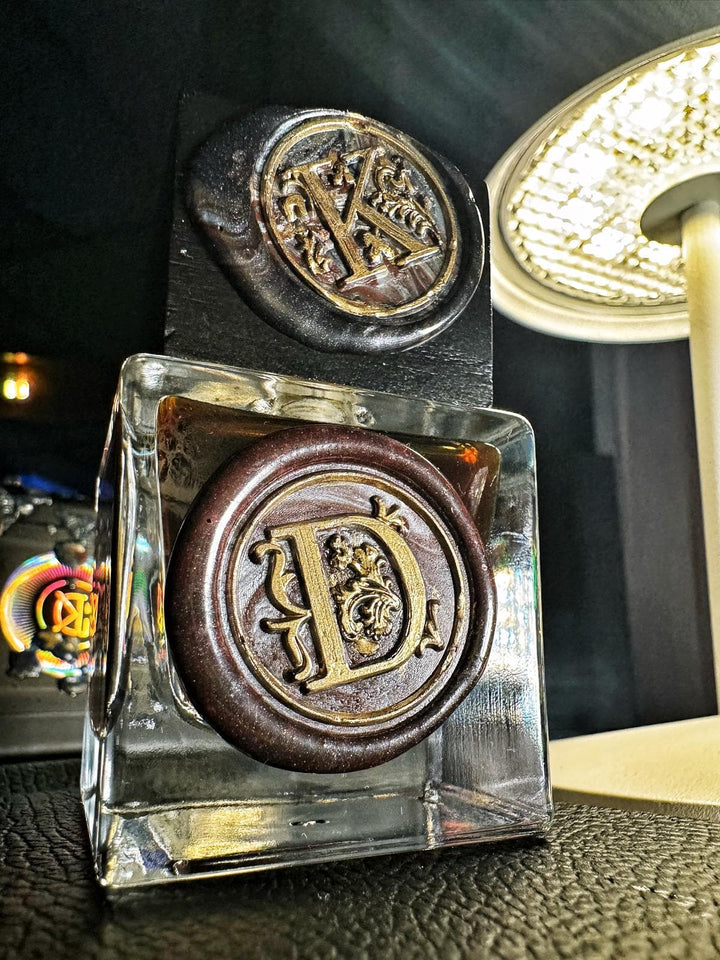
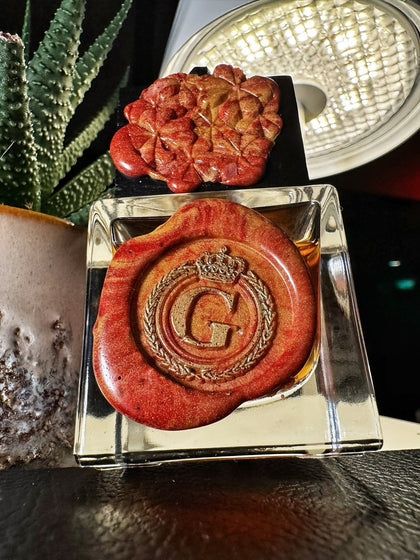
Vintage at Duftkumpels
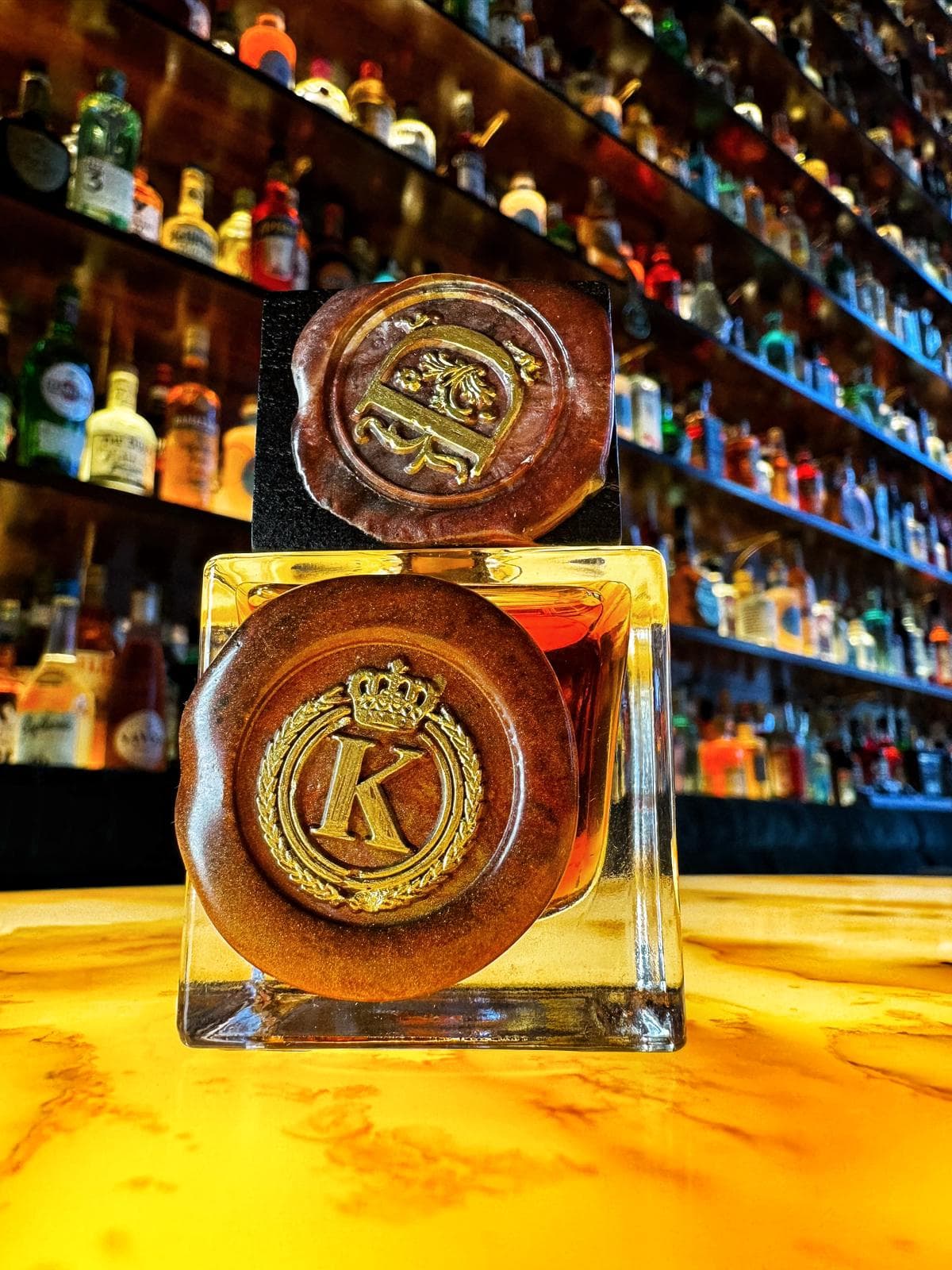
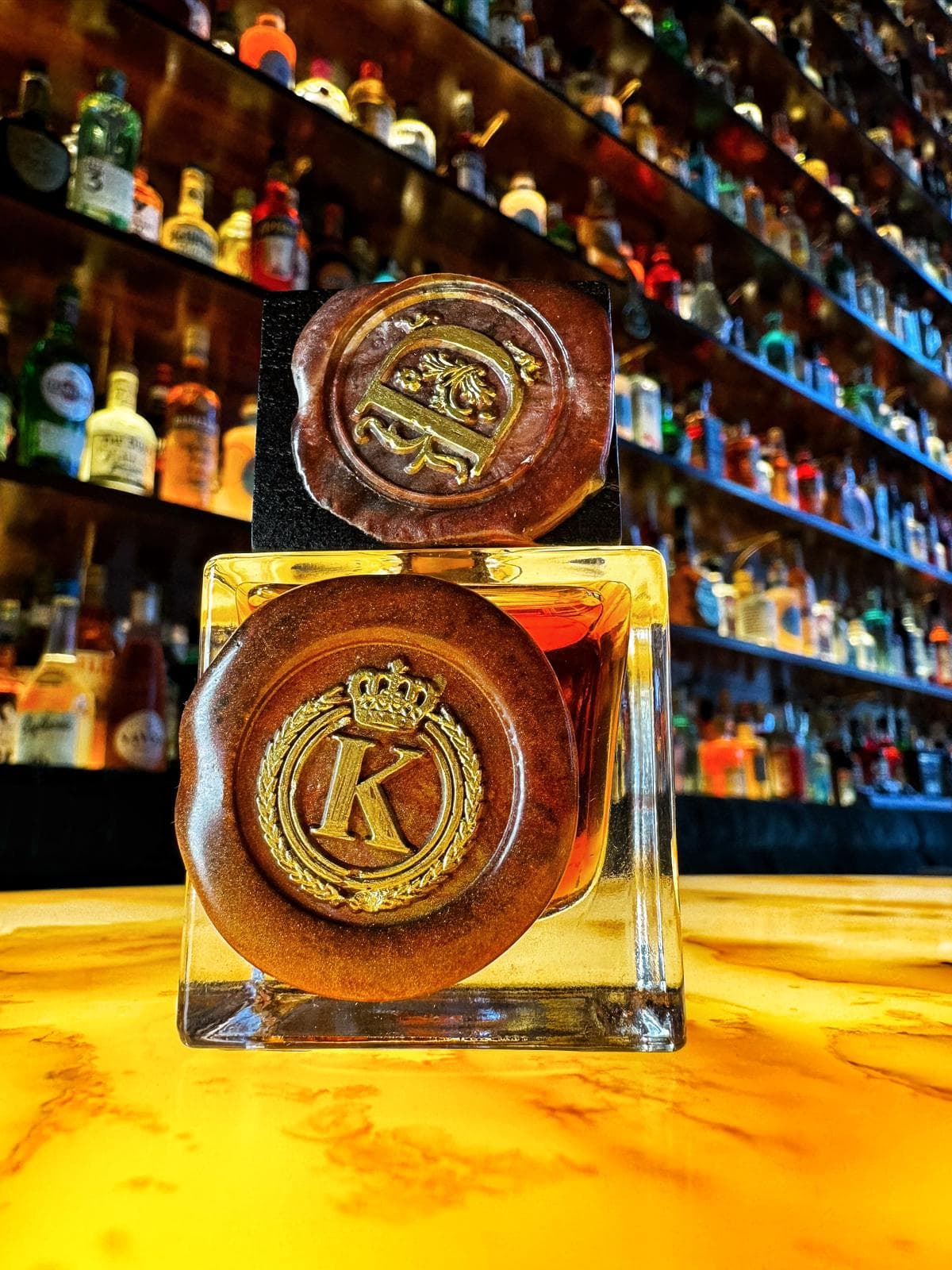
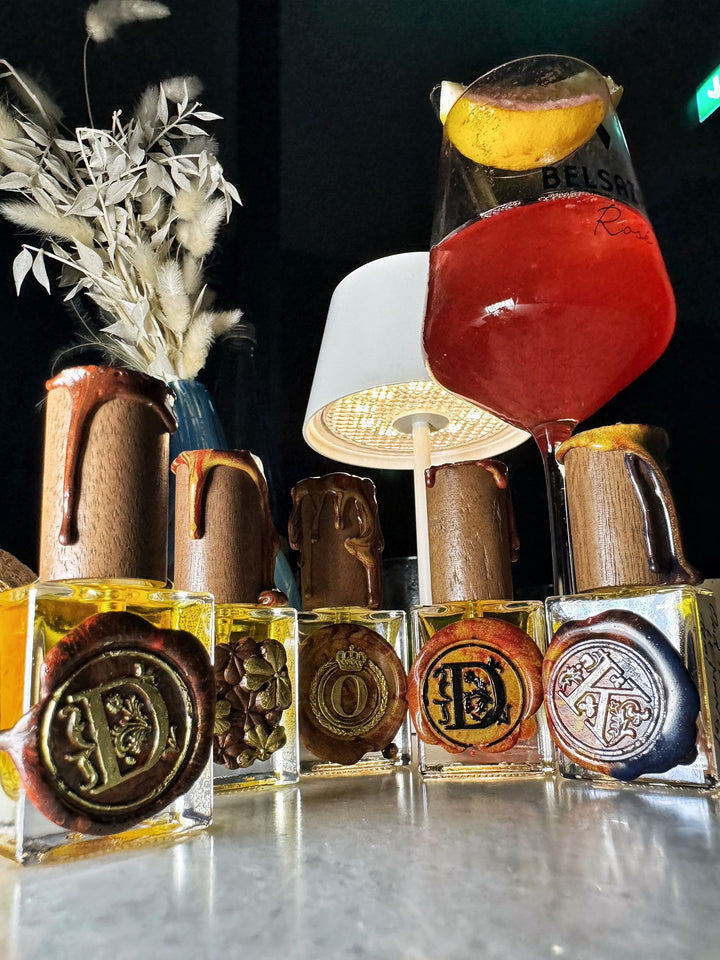
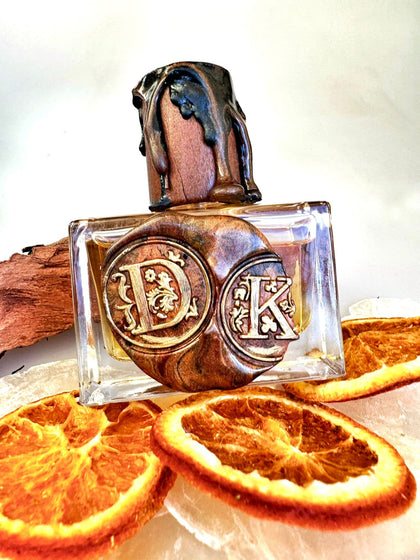
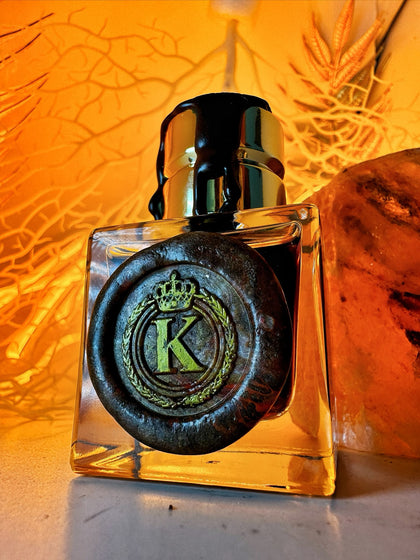
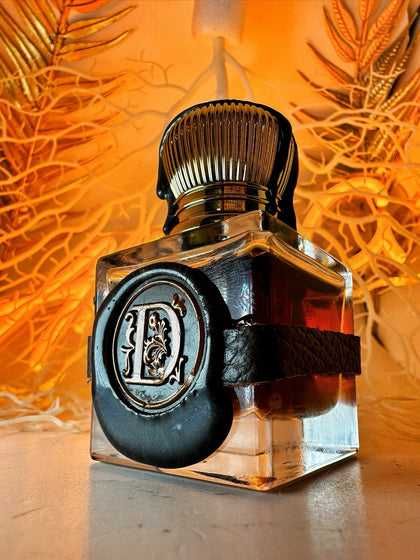
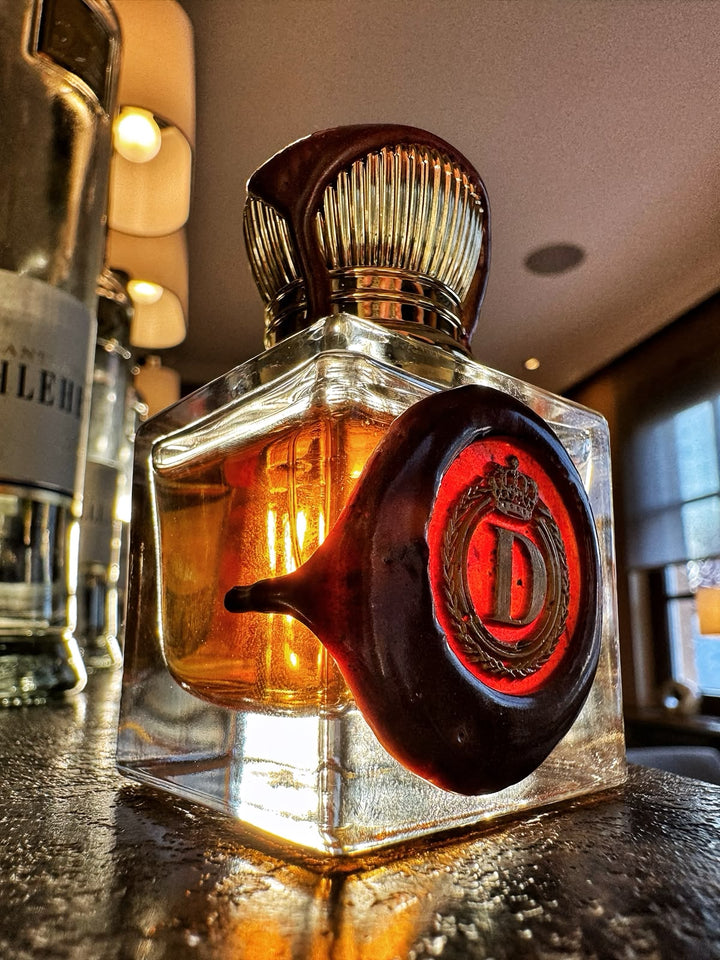
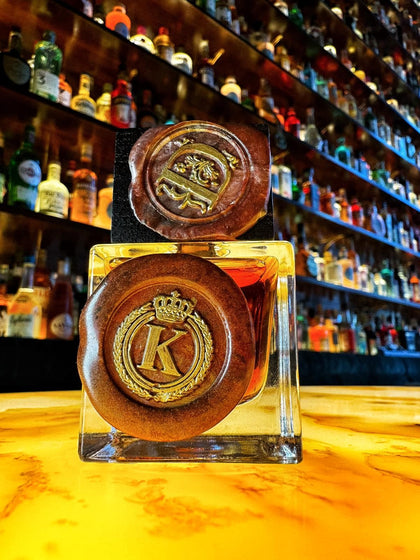
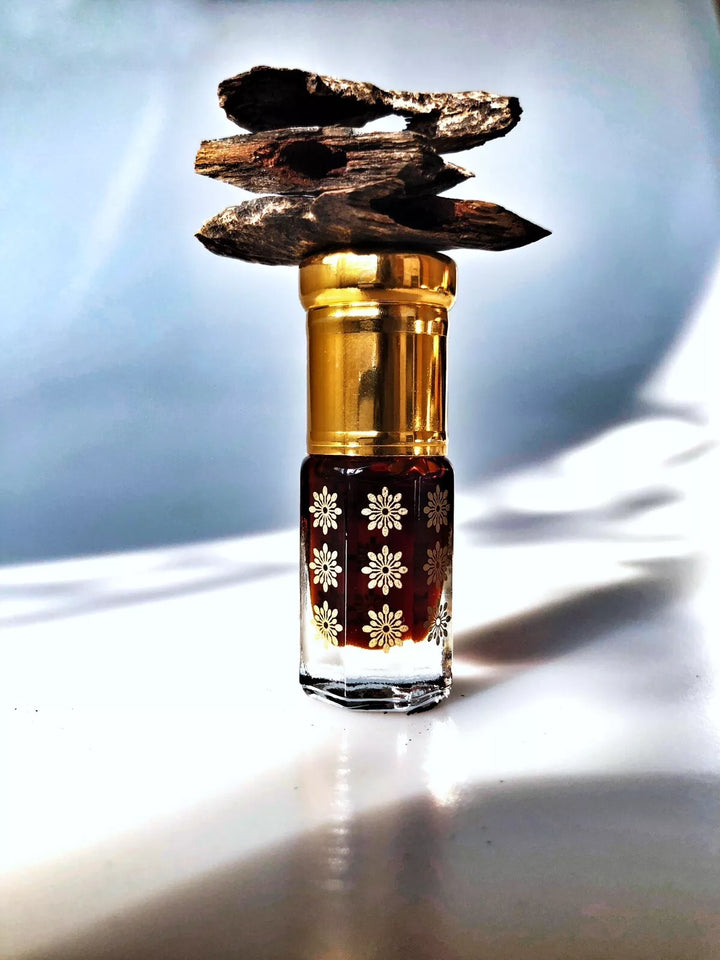
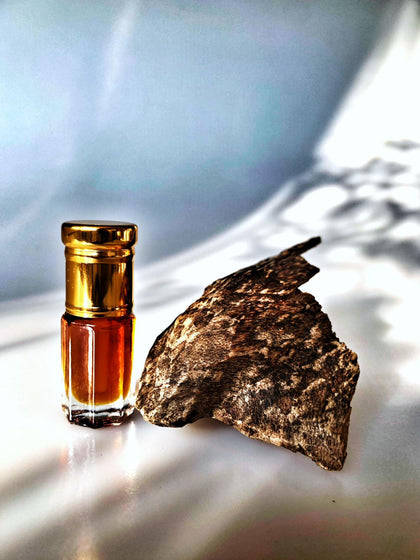
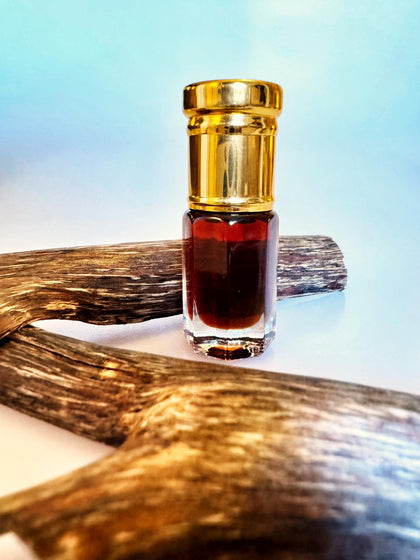
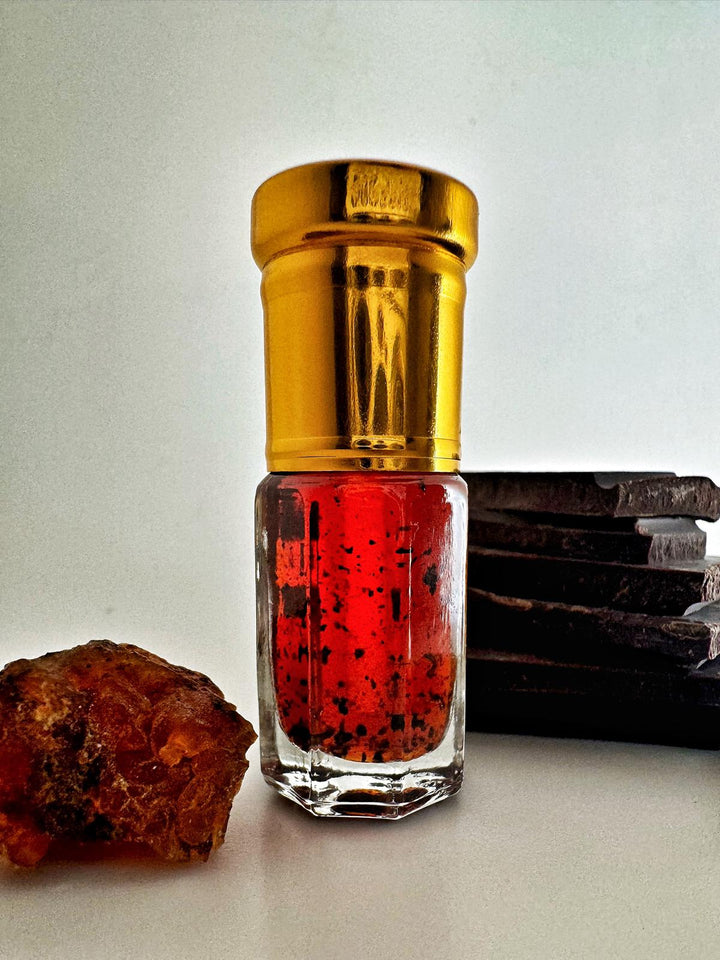
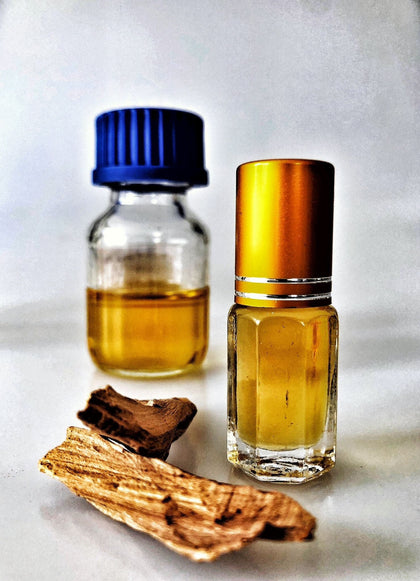
Our Collectors Collection comprises curated vintage raw materials and limited editions from earlier decades. We offer vintage ouds (Royal Cambodi 2009), vintage ambergris and other rarities.
Our philosophy
Duftkumpels does not produce "new vintages" – we create modern compositions with a vintage approach: genuine raw materials, extrait concentration, unaffected by commercial constraints. In 20 years, today's bottles will themselves become vintage treasures.
Wearing vintage: dos and don'ts
Dos
- Dose carefully (vintages are often more intense)
- Apply to damp skin after showering
- Test on clothing (may leave stains)
- Choose special occasions (vintage is a statement)
Don'ts
- Don't use up vintages daily (too valuable)
- Don't store in full sun
- Don't mix with current compositions (chaos)
- Don't leave the cap off for long periods