
What is Niche Perfume? Everything You Need to Know
"Niche perfume" is one of the most misused terms in the fragrance world. For some, it means anything more expensive than a designer bottle. For others, it is a synonym for "oud" or "Middle Eastern fragrance". For serious collectors, it means something much more specific – a category of perfumery defined not by price or marketing but by craft, scale and intent. This guide explains what niche perfume actually is, why it exists, and whether it is the right next step for your fragrance collection.
A Working Definition
A niche perfume, properly understood, is a fragrance produced by an independent house that:
- Composes its own formulas rather than licensing celebrity or brand names
- Controls its own production, including raw material sourcing and final quality
- Distributes selectively through its own boutiques or a small number of specialist retailers
- Produces in limited volumes, typically from hundreds to tens of thousands of bottles per composition per year
- Prioritises olfactory quality over mass-market acceptability
A niche perfume, in other words, is the opposite of a licensed celebrity fragrance produced by a contract manufacturer for global supermarket distribution.
Niche vs Designer: The Real Difference
A designer fragrance – Dior, Chanel, Tom Ford, Hugo Boss – is a product line extension for a fashion or lifestyle brand. The perfume is typically developed by a large fragrance house (Givaudan, Firmenich, IFF) under the brand's direction, formulated for mass appeal, and produced in enormous quantities. Read our dedicated comparison in Niche vs Designer Perfume.
A niche perfume is a product of a small house, composed by a named perfumer (or small team), made from higher-grade materials, and distributed selectively. The economics are completely different: where a designer might produce a million bottles per year of a single fragrance, a niche house might produce a few thousand.
Why Niche Costs More
- Higher-quality materials: real naturals, aged oud, ambergris tincture, premium synthetics
- Higher concentration: most niche releases are extrait or strong EdP
- Smaller batches: no economies of scale
- Independent distribution: no mass wholesale discounts
- Longer maceration and ageing: weeks or months of resting before bottling
The History of Niche Perfumery
The niche category effectively began in Paris in the 1970s and 80s, with houses like Annick Goutal, Serge Lutens and Frederic Malle offering an alternative to the corporate, designer-driven mainstream. The category expanded through the 90s (Creed, Amouage) and exploded in the 2000s with the rise of dedicated niche boutiques in every major city.
By the 2010s, "niche" had become a recognisable marketing term – and therefore a target for dilution. Many formerly independent houses were acquired by luxury conglomerates (LVMH, Puig, Estee Lauder), and "masstige" niche brands began to appear. A working definition is no longer optional. True niche in 2026 increasingly means "independently owned", not just "expensive".
The Hamburg Niche Movement
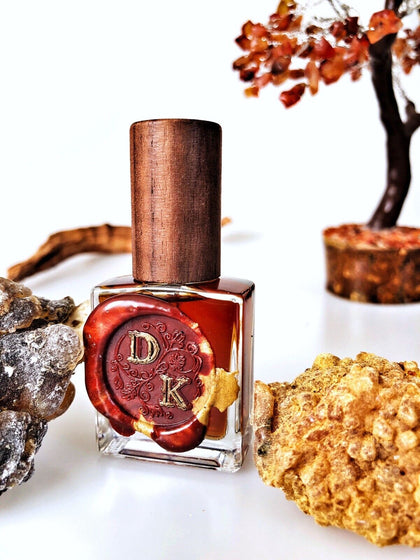
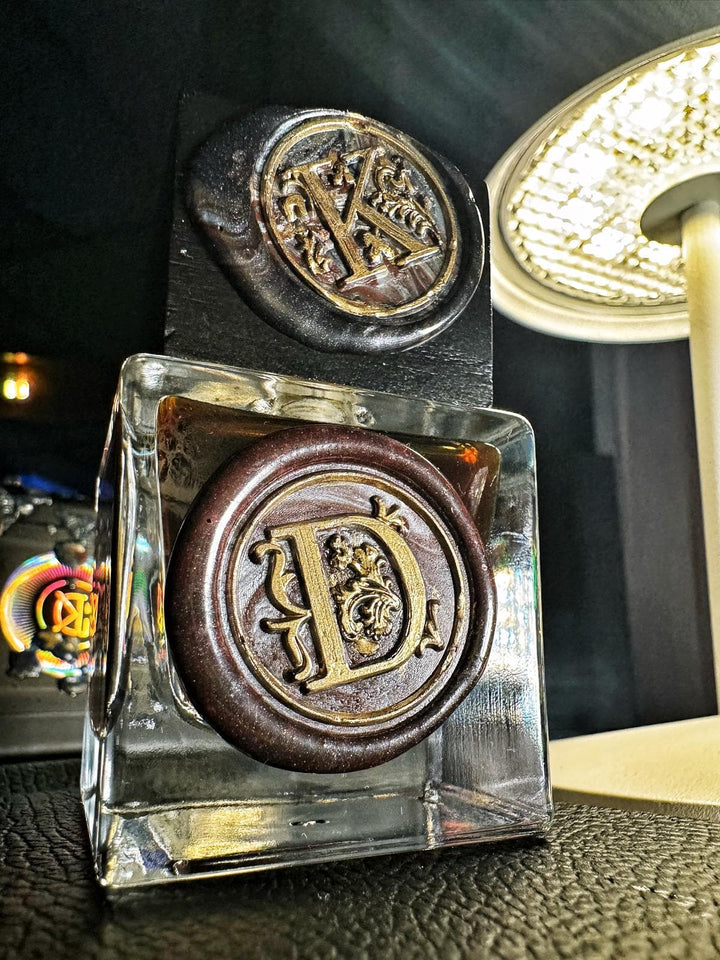
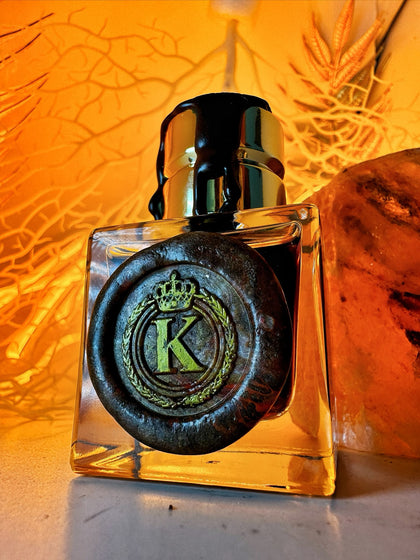
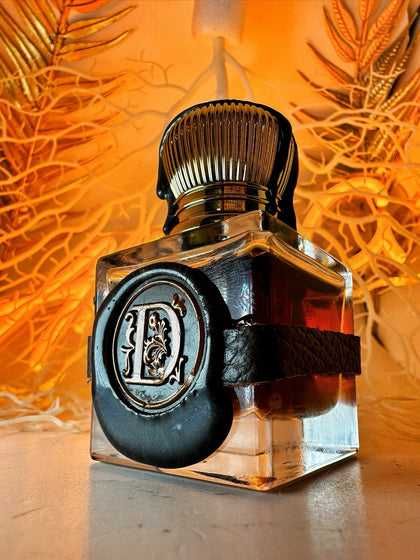
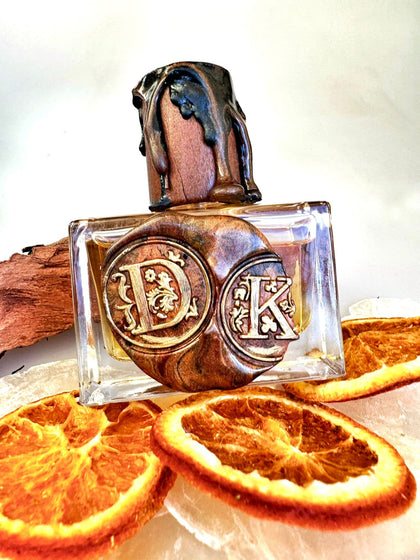
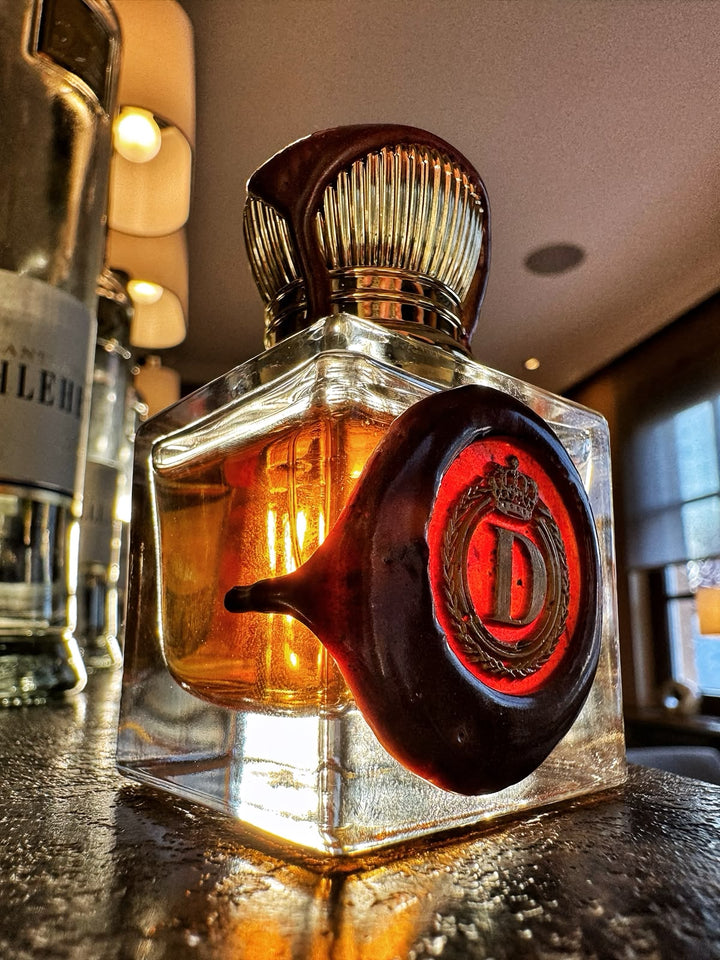
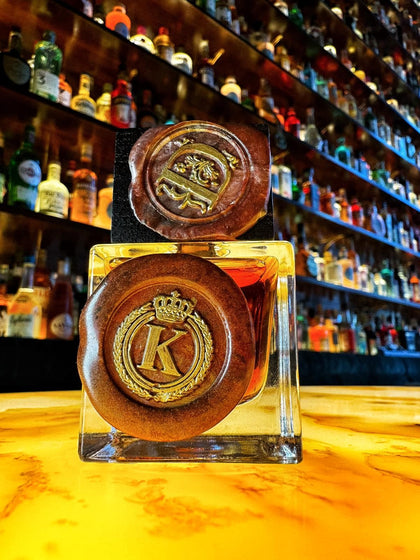
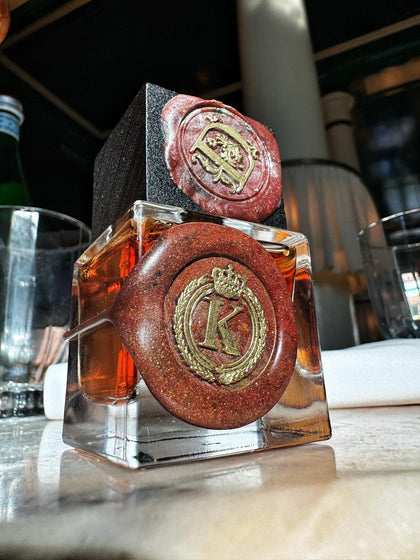
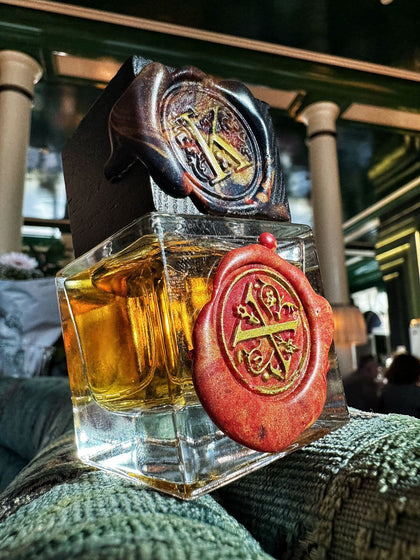
Our own atelier in Hamburg, Germany is part of a recent wave of independent German perfumery. We are genuinely small, genuinely independent, and the same perfumer who composes a fragrance also fills the bottles. If this sounds romanticised, good – but it is also literal.
Our approach:
- Compositions developed in-house by our perfumer
- Raw materials purchased directly, including aged oud oils from Thailand and Cambodia
- Maceration minimum eight weeks, often longer
- Batches of 20 to 100 bottles, hand-numbered
- Sold through our own boutique and a small number of partner retailers
What to Look for in a Niche Perfume
1. A Named Perfumer
If the house does not identify the perfumer, that is usually a red flag. Serious niche work is attributable to specific people.
2. Transparent Ingredient Stories
A good niche house will tell you where its oud comes from, what kind of rose it uses, whether the ambergris is natural or synthetic. Vagueness suggests mass-market formulation hidden behind a premium label.
3. Concentration and Format
Most serious niche work is extrait de parfum or strong EdP. A house that only offers weak EdTs is probably not positioning itself seriously in the category. Read our guide to extrait vs EdP for more.
4. Limited Availability
A genuinely niche fragrance is not sold everywhere. If your duty-free shop carries it, the niche positioning is cosmetic.
5. Evolving Range
Good niche houses release new compositions at a measured pace and sometimes retire old ones. Static catalogues with dozens of "flagships" suggest licensed commercial operations.
Starting a Niche Collection
If you are new to niche perfumery, we suggest starting with three compositions that cover different territories:
- A warm gourmand or amber: something immediately lovable like Ambra al Hambra or Habana Cocoa
- An oud composition: Tonkin Sunset XDP as a gentle introduction
- A distinctive statement: Al Hayvaan or Leather 4 Love for when you are ready to step further
Three extraits are enough to rotate through seasons and occasions for years.
Is Niche Perfume Worth It?
For some people, yes – absolutely and obviously. For others, no. If you wear fragrance casually, change it often, and do not particularly care about the craft behind it, a well-chosen designer bottle will serve you perfectly. If you are interested in how perfume is made, want longer-lasting and more interesting compositions, and enjoy the ritual of a hand-numbered bottle, niche is where you belong. We argue the case at length in Why Expensive Niche Perfume is Worth Its Price.
Our Hamburg Approach
Everything we make is handcrafted in Hamburg, Germany, in limited editions, with full transparency about materials, ingredients and processes. Browse the full range on our extrait collection page, or read more about our philosophy and history.