
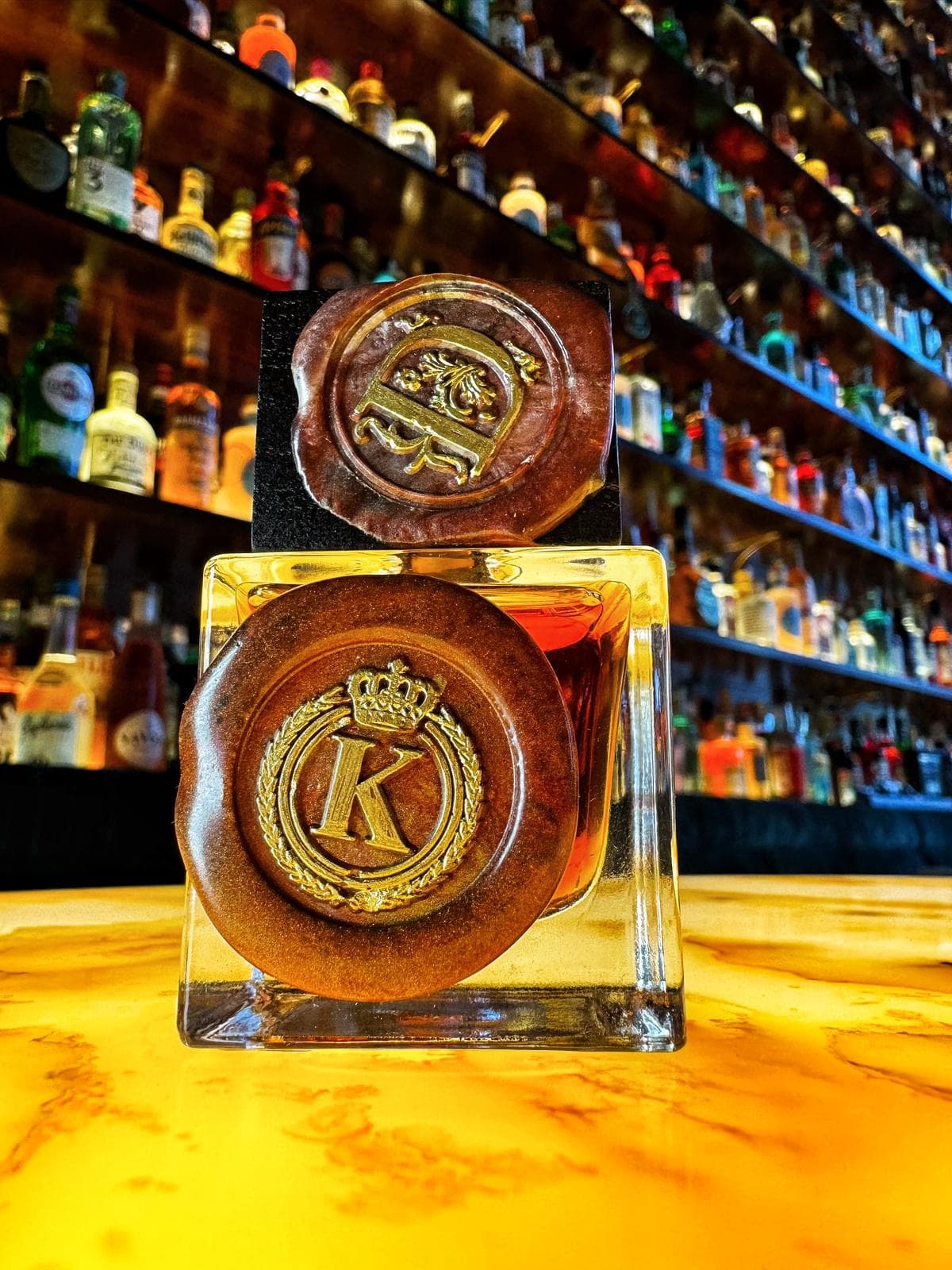
Extrait de Parfum vs Eau de Parfum – What's the Difference?
Walk into any serious niche perfumery in Hamburg, Paris or New York and you will notice something: the most coveted bottles are almost never labelled "eau de parfum". They carry the discreet inscription "extrait de parfum" – and they cost considerably more. Why? What is the actual difference between these two formats, and when is the price jump justified? This guide explains the real story behind perfume concentrations, cutting through the marketing noise.
The Official Classification
Perfume concentrations are measured by the percentage of aromatic compounds dissolved in a carrier (usually ethanol). The European convention roughly defines:
- Eau de Cologne (EdC): 2 to 5 percent aromatic compounds
- Eau de Toilette (EdT): 5 to 12 percent
- Eau de Parfum (EdP): 12 to 20 percent
- Extrait de Parfum (XdP, parfum, pure parfum): 20 to 40 percent, sometimes more
These numbers are guidelines, not laws. A brand can label a 14 percent juice as "extrait" if it wants to – and some do. This is why the label alone tells you very little. What matters is what is actually in the bottle.
Concentration Is Only Half the Story
Here is what most articles on this topic miss: the difference between extrait and EdP is not just about how much oil is dissolved. It is about which oils, and how they are composed.
Raw Material Quality
An extrait de parfum is almost always built from higher-grade naturals and more expensive synthetics. When you pay for extrait, you are paying for rose absolute instead of rose fragrance oil, for real ambergris tincture instead of Cetalox, for aged Cambodian oud oil instead of an oud accord. The concentration is higher, yes – but the molecules themselves are also of a different calibre.
Composition Architecture
Because an extrait carries more material, perfumers compose it differently. EdPs are usually built around a strong, projecting top to grab attention in the first thirty seconds. Extraits, by contrast, are often built "skin-first" – they sit closer to the body, unfolding slowly over eight to twelve hours. This is why some extraits seem "quieter" at first spray than an EdP, even though they contain far more oil.
Longevity and Projection in Practice
A well-made extrait de parfum will typically last:
- On skin: 10 to 16 hours, often longer on the chest
- On fabric: 24 to 72 hours
- Projection: Intimate to moderate; close-to-skin for the first hours, slowly building a sillage
An EdP in the same fragrance family will usually give you 6 to 9 hours of wear with a louder initial projection but a faster decline.
The "Skin Scent" Phenomenon
Many first-time extrait wearers complain that the fragrance "disappears" after an hour. It has not disappeared – it has moved closer to the skin. Lean in to your wrist six hours later and it will still be there, warmer and more refined than it was at the start. This is exactly what extrait is designed to do.
When Does Extrait Make Sense?
For the Collector
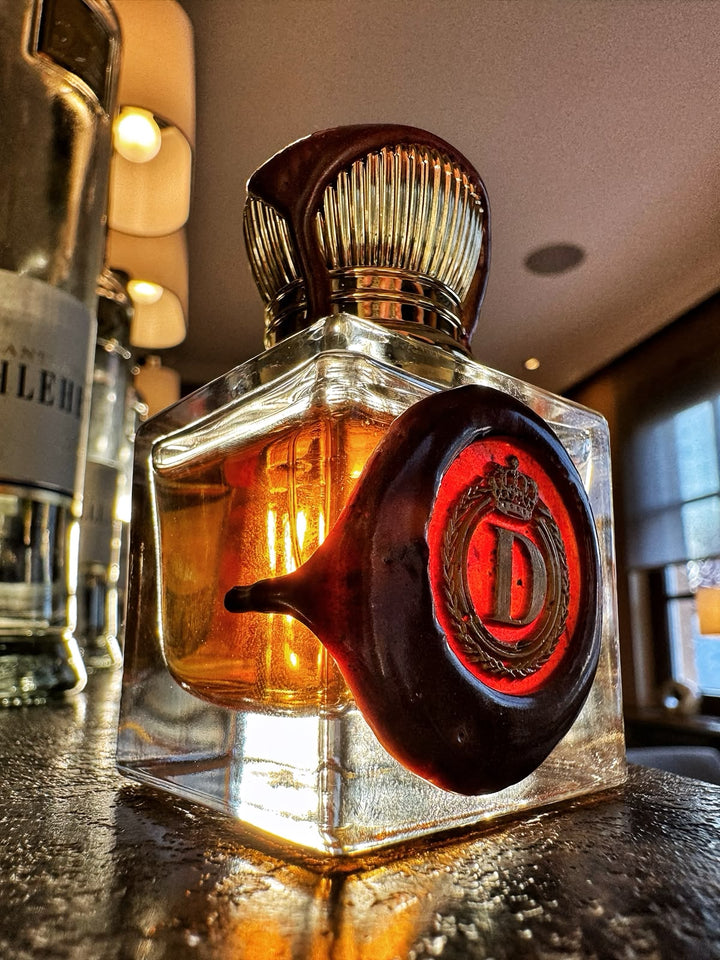
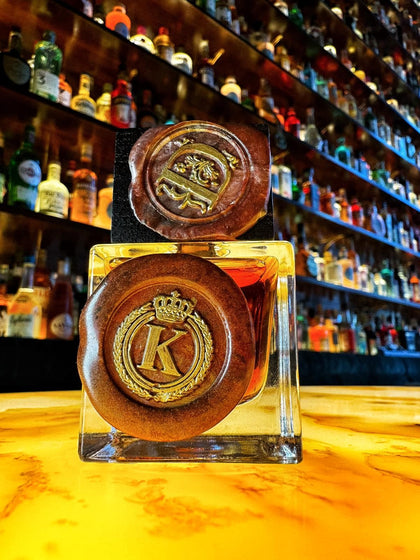
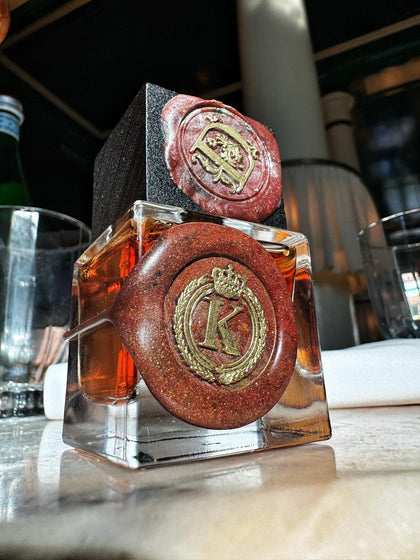
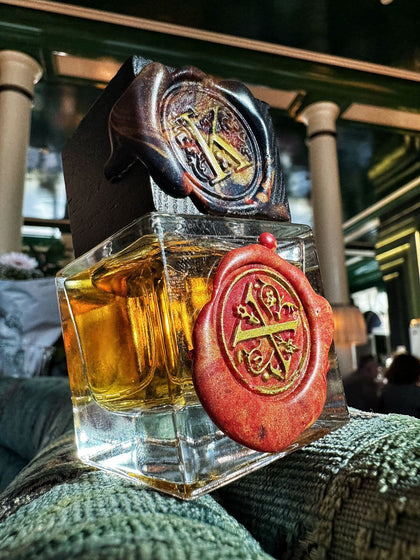
If you care about the craft of perfumery, extrait is where the interesting work happens. Our own compositions – the Al Hayvaan Extrait de Parfum, the Ambra al Hambra and the Leather 4 Love – are built exclusively as extraits because that is the only format that lets materials like real castoreum, deer musk and aged oud breathe properly.
For the Everyday Wearer
Contrary to the cliché, extrait is not only for special occasions. A single dab on the chest and wrists in the morning gives you a full day of fragrance without ever overwhelming a meeting room or a dinner table. For office use, extrait is often more appropriate than a loud EdP.
For Warm Climates
In summer heat, EdPs can explode off the skin and become cloying. Extraits, with their denser, slower evaporation curve, handle warm weather far more gracefully.
Application: How to Wear Extrait Correctly
Extrait de parfum is not meant to be sprayed like an EdT. The correct approach depends on the bottle:
- Splash / dab bottle: Apply one drop to each wrist, one to the hollow of the throat. That is your full application.
- Atomizer: One to two short sprays, never more. Target pulse points, not clothing.
- Hair: A tiny amount in the hair carries for hours. Avoid alcohol-heavy EdPs on hair; extrait is gentler.
Price: Why Extrait Costs More
A 30 ml extrait from a serious house will often cost more than a 100 ml EdP from the same line. The price reflects three realities: higher concentration, better raw materials, and smaller production runs. Our Hamburg atelier produces most extraits in batches of under 500 bottles, which is the only way to maintain the quality of the inputs.
Our Hamburg Extrait Philosophy
Every extrait we release is composed and bottled by hand in Hamburg, Germany. We macerate for a minimum of eight weeks, filter cold and let each batch rest for an additional two weeks before bottling. This is slow, expensive work – but it is the only way to produce an extrait that actually deserves the name. Explore the full range on our parfum collection page, and read more about our approach to handcrafted perfumery.


