
Oriental Perfume – The Fascinating World of Arabic Fragrances
"Oriental perfume" is a category Western perfumery has known about for a thousand years and has never quite understood. The Arab world invented modern perfumery – the distillation techniques, the major material classes, the ritual of wearing fragrance – and continues to set the standard for how dense, resinous, animalic composition can really be. This guide is an introduction to the oriental fragrance tradition, written from a European niche perspective. What defines it, where its signature materials come from, and how our Hamburg atelier draws on this heritage in its own work.
What Defines an Oriental Fragrance?
The classical oriental composition is built around five pillars:
- Oud (agarwood) – the dark, resinous foundation
- Amber – warm, sweet, balsamic
- Rose – particularly Damascena and Taifi varieties
- Saffron – spicy, leathery, slightly metallic
- Musk and animalic notes – the radiance layer that ties everything together
Around these five pillars, a vast repertoire of secondary materials – labdanum, styrax, benzoin, patchouli, sandalwood, jasmine, kewra, myrrh – provides depth and variation. What distinguishes an oriental from a Western "oriental-style" fragrance is concentration. A real oriental is dense, slow-developing and long-wearing in a way most European compositions never attempt.
The Gulf Tradition
In the Gulf states, wearing fragrance is a daily ritual, not a special-occasion flourish. A serious perfume collection in Riyadh, Dubai or Doha might include dozens of bottles, layered and rotated according to time of day, climate and occasion. This level of daily investment in fragrance has driven the entire oriental tradition to heights of concentration and complexity that mass-market perfumery in Europe simply cannot match.
Material by Material
Oud (Agarwood)
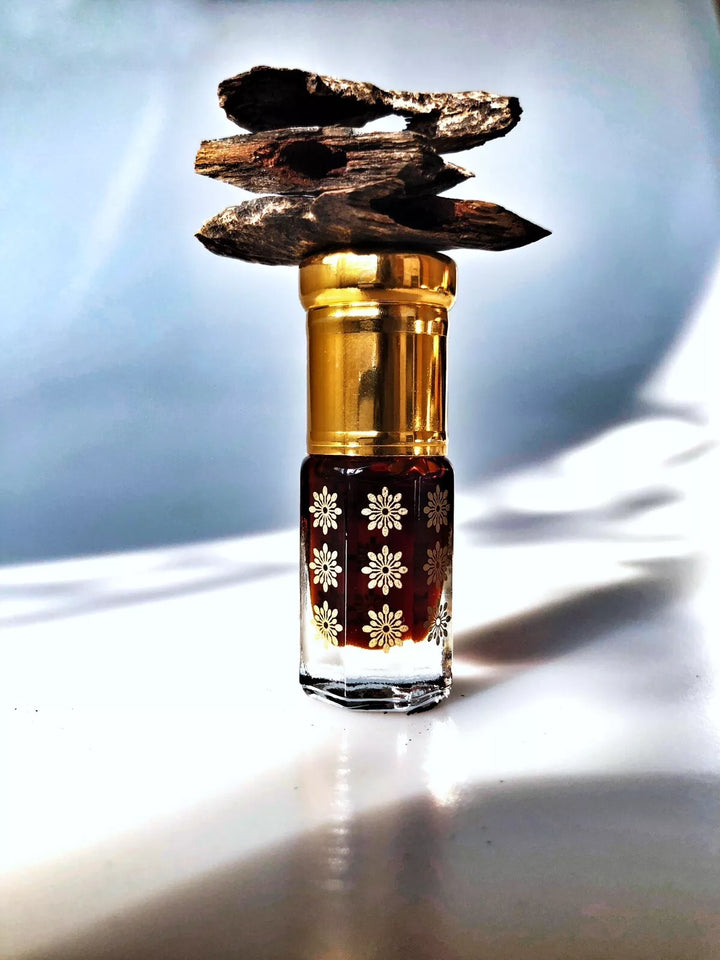
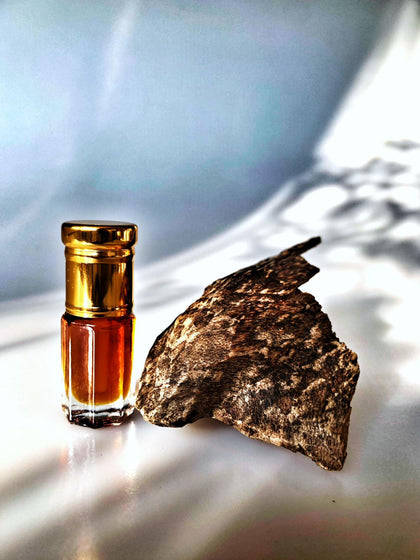
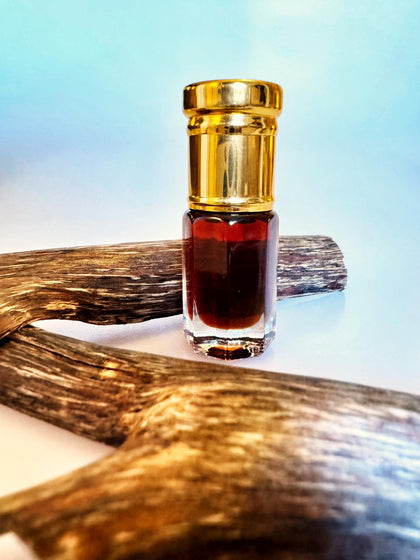
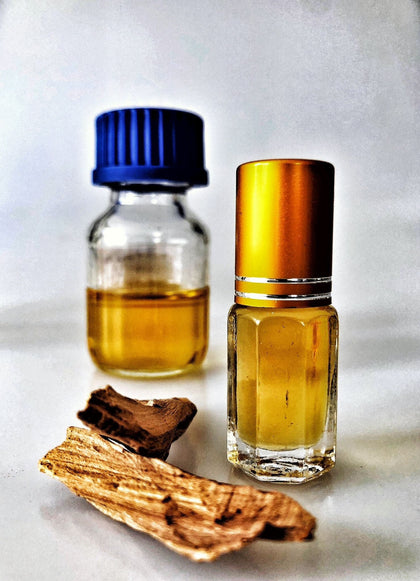
Oud is the foundation. Traditional oriental perfumery distinguishes between Hindi (Assam-style) oud for heavy night compositions, Cambodian oud for sweet day wear, and Thai or Malay oud for lighter, brighter blends. Our Oud Royal Thai Trat, Oud Royal Cambodi 2009 and Oud Sultan Suifi Cambodi each fit a different corner of this tradition.
Amber
"Amber" in perfumery is not tree resin but a composed accord, traditionally built from labdanum, benzoin, vanilla and styrax. Our Ambra al Hambra is a direct homage to the classical oriental amber, intensified with real ambergris tincture.
Rose
Arabic perfumery prizes Taifi rose (Rosa damascena from Taif in Saudi Arabia) above all others. Its distinctive profile – dense, fruity, slightly spicy – is unmistakable in top-tier oriental compositions.
Saffron
Iranian and Kashmiri saffron provides the spicy-leathery lift that distinguishes serious oriental perfumery. Even in tiny quantities, saffron transforms an oud composition.
Animalics
Classical oriental compositions drew heavily on deer musk, civet and castoreum. Modern ethical compositions – including everything we make in Hamburg – use synthetic and plant-based substitutes. Read more in our Deer Musk guide and Castoreum guide.
Oriental Composition Styles
Mu'attir (Heavy Perfumes)
Dense, oud-forward compositions designed for evening wear, special occasions, and cooler weather. Often built on Assam oud with amber, rose and saffron layered around it.
Attar (Oil Perfumes)
Alcohol-free oil perfumes, traditionally distilled onto a sandalwood base. See our dedicated Attar guide.
Bakhoor (Incense)
Not a perfume in the strict sense, but an inseparable part of Gulf fragrance culture. Scented wood chips burned on charcoal to perfume clothing, hair and rooms.
Mukhallat (Blends)
Composed oil perfumes that combine oud, rose, saffron, amber and musk in various proportions. The mukhallat tradition is the conceptual ancestor of modern niche extrait composition.
Oriental Influence in Our Hamburg Range
Several of our Hamburg extraits draw directly on the oriental tradition:
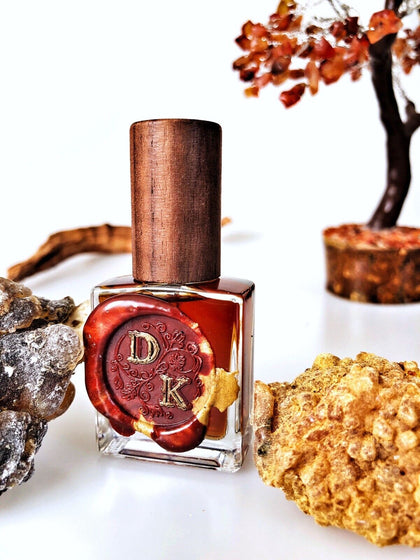
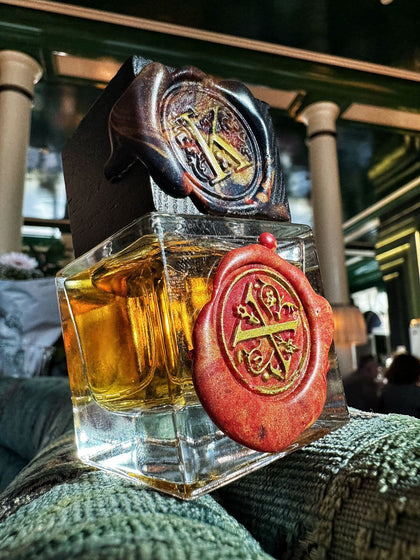
- Al Hayvaan Extrait de Parfum – a classical mu'attir in European extrait format
- Ambra al Hambra – a composed amber with ambergris tincture
- Musk al Khurasan XDP – a tribute to the classical radiant musk tradition
- Tonkin Sunset XDP – Cambodian oud with tonka and vanilla, a lighter oriental composition
How to Wear Oriental Perfume
Oriental fragrances are projection-heavy by design. Adapt your application accordingly:
- One or two sprays maximum for extrait-strength compositions. Oriental fragrances scale up dramatically in warm environments.
- Target pulse points: chest, back of neck, wrists. Less on clothing.
- Layer with incense or bakhoor at home for the classical Gulf experience.
- Reapply rarely. A good oriental extrait lasts 12 to 18 hours; reapplication is almost never needed.
Climate and Seasonality
Classical orientals are winter fragrances in European climates. The density that is beautiful in Dubai at 30 degrees can be overwhelming in Hamburg at 5 degrees. Adjust by using less, and pairing with heavy fabrics that absorb and release the scent slowly.
Oriental Perfume and Western Niche
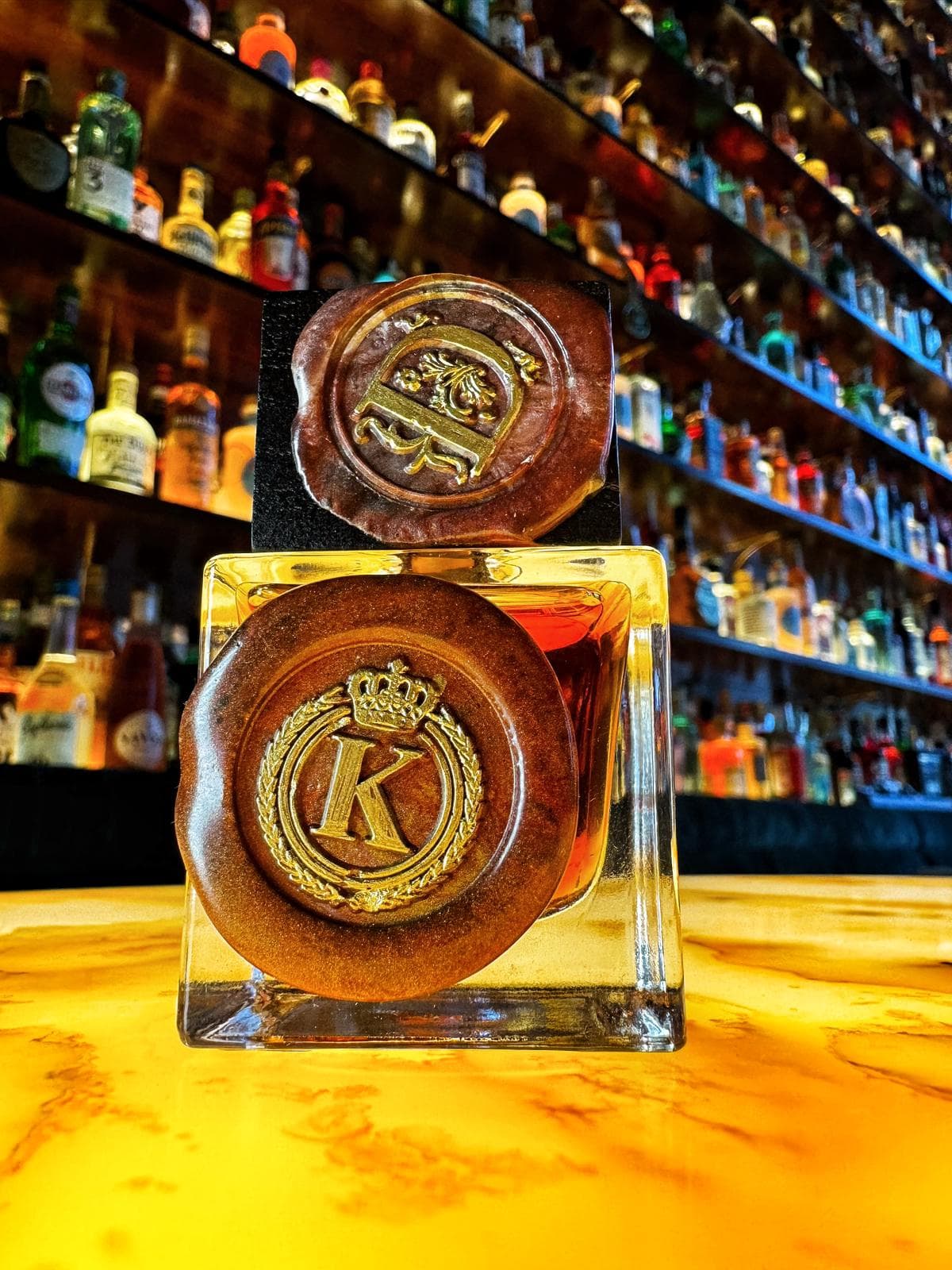
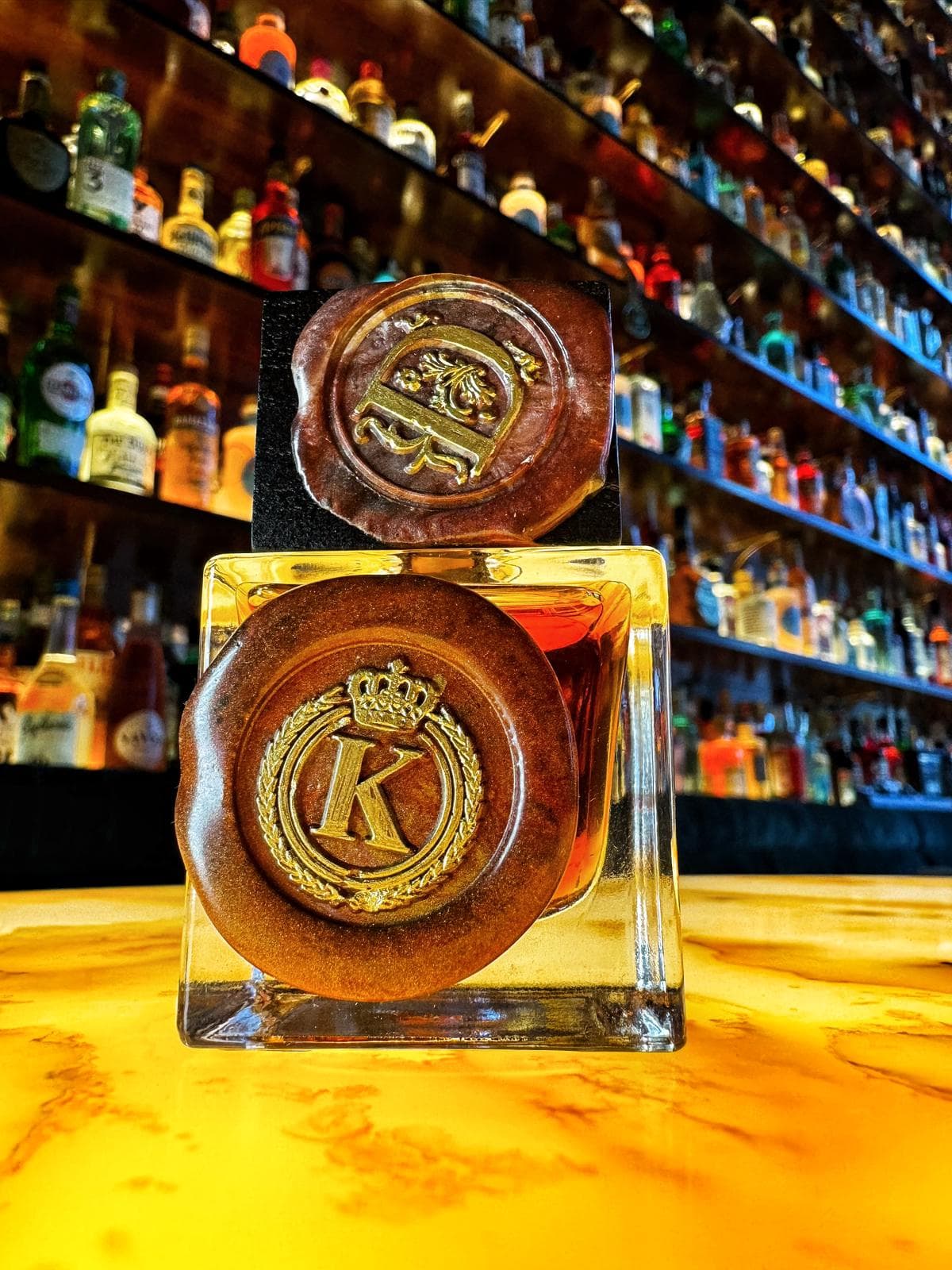
Over the past twenty years, a fascinating hybrid has emerged: European perfumers composing in the oriental tradition, and Gulf perfumers working with European materials and techniques. Our atelier in Hamburg, Germany is part of this hybrid space. We take the density and materials of the oriental tradition and compose them with European refinement, restrained sillage and the extrait de parfum format. The result is not "fake oriental" – it is a new synthesis, drawing on both traditions.
Getting Started with Oriental Perfume
If oriental fragrance is new to you, we suggest starting with Tonkin Sunset XDP or Ambra al Hambra – both approachable compositions that introduce the oriental vocabulary without demanding immediate acceptance of the heaviest materials. Move on to Al Hayvaan or pure oud oils once you have learned to appreciate the dense, slow-developing style.
Our Hamburg Philosophy
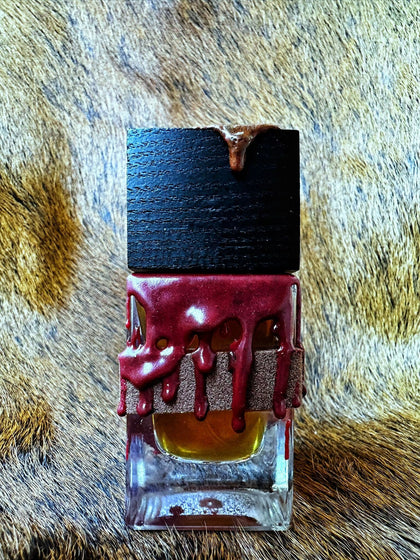
Everything we make is handcrafted in Hamburg, Germany, in limited numbered editions. Oriental tradition, European precision, full transparency about materials. Explore the oud collection or the full extrait range, and read about our approach to composition.