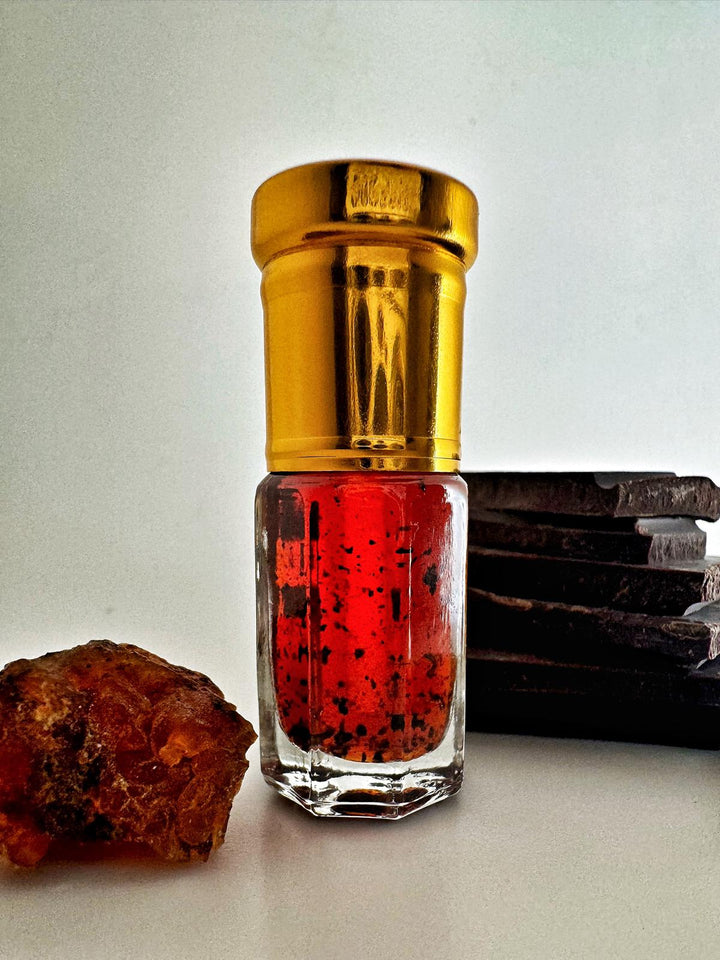
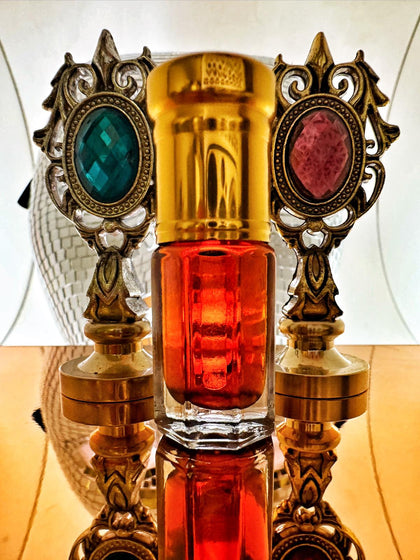
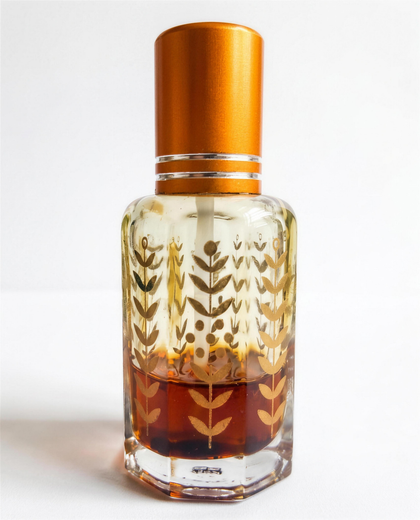
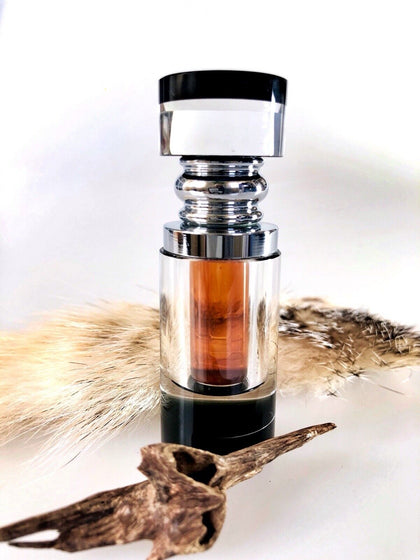

Attar Perfume – The Alcohol-Free Oil from the Orient
Long before the alcohol-based eau de parfum became the European standard, the Islamic world was already producing perfume at the highest level – but in a completely different format. Attar, the alcohol-free oil perfume of Arabia, Persia and the Indian subcontinent, is older than any modern fragrance tradition and, in many ways, more sophisticated. For the niche collector in Europe today, attar represents a parallel universe of scent: smaller bottles, denser compositions, radically different application rituals. This guide explains what attar really is, why it matters, and how to wear it.
What Is Attar?
Attar – from the Persian "itr", meaning perfume – is a concentrated aromatic oil traditionally produced by steam-distilling botanical material directly into a base of sandalwood oil. The process can take weeks. Jasmine buds, rose petals, saffron, agarwood, kewra flowers and countless other materials are layered into the distillation, each contributing its volatile compounds to the sandalwood carrier.
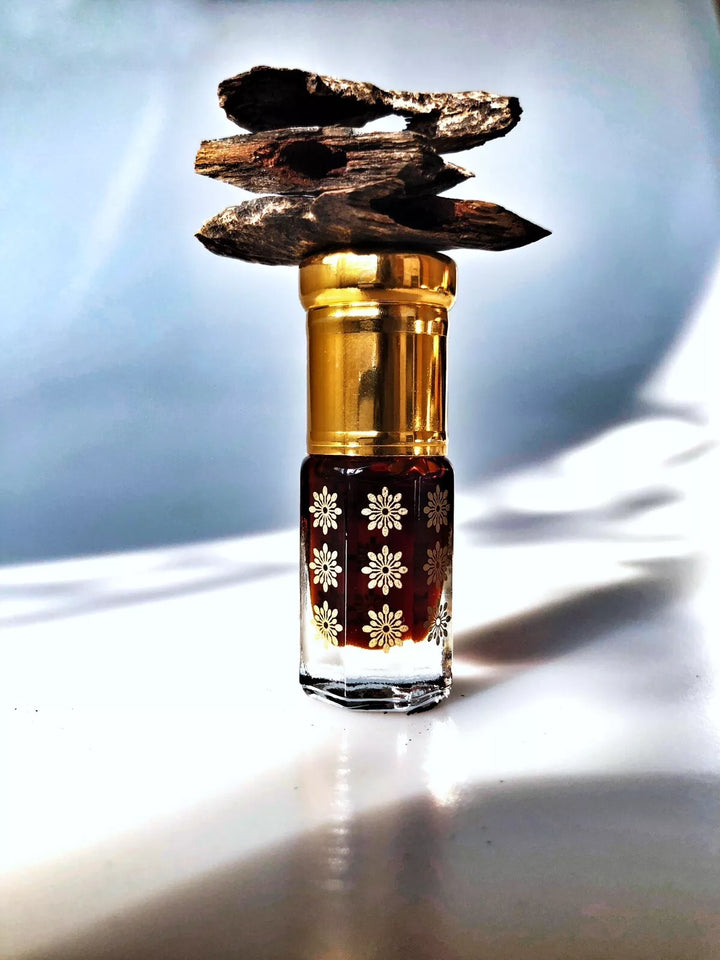
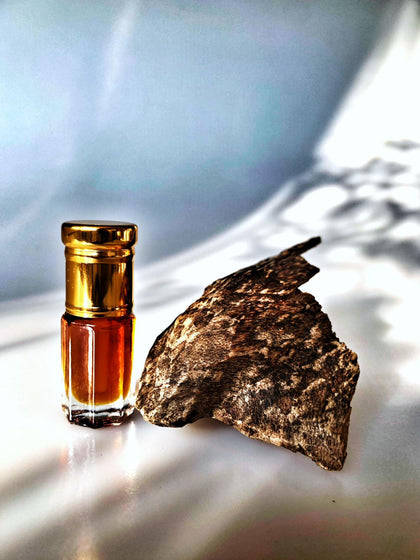
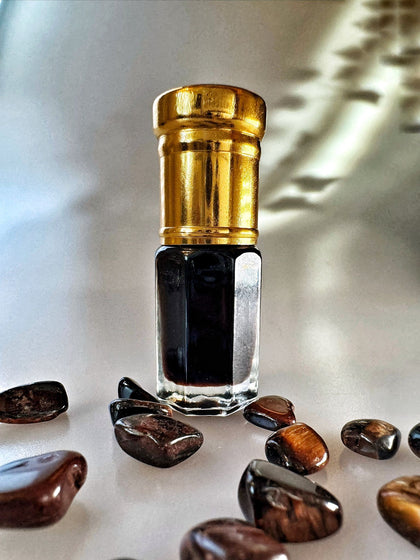
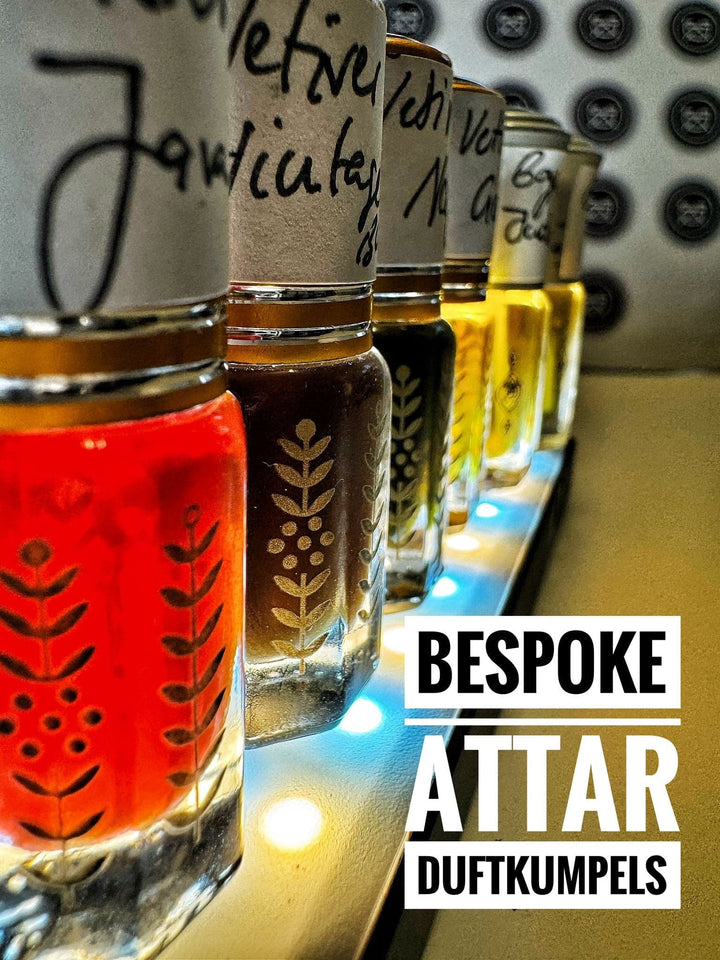
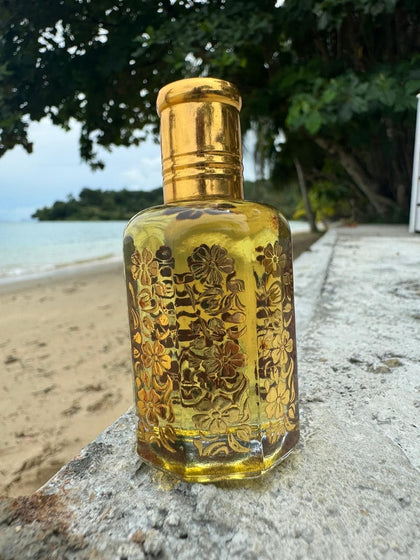
The result is a thick, honey-coloured oil in which the sandalwood base and the top material have effectively become one substance. Unlike modern perfume, there is no ethanol, no separate "carrier", no spray mechanism. Attar is worn in drops, directly on the skin, often from tiny ornamental glass bottles called "itr dans".
Attar vs Western Perfume
- Solvent: Attar uses sandalwood oil as its base; Western perfume uses ethanol
- Concentration: Attar is 100 percent aromatic material; even an extrait de parfum is "only" 20 to 40 percent
- Projection: Attars sit close to the skin, building slowly over hours
- Longevity: A properly composed attar lasts 12 to 24 hours on skin, days on fabric
- Application: A single drop, rubbed gently onto pulse points
The Classical Attar Materials
Sandalwood (Mysore and Beyond)
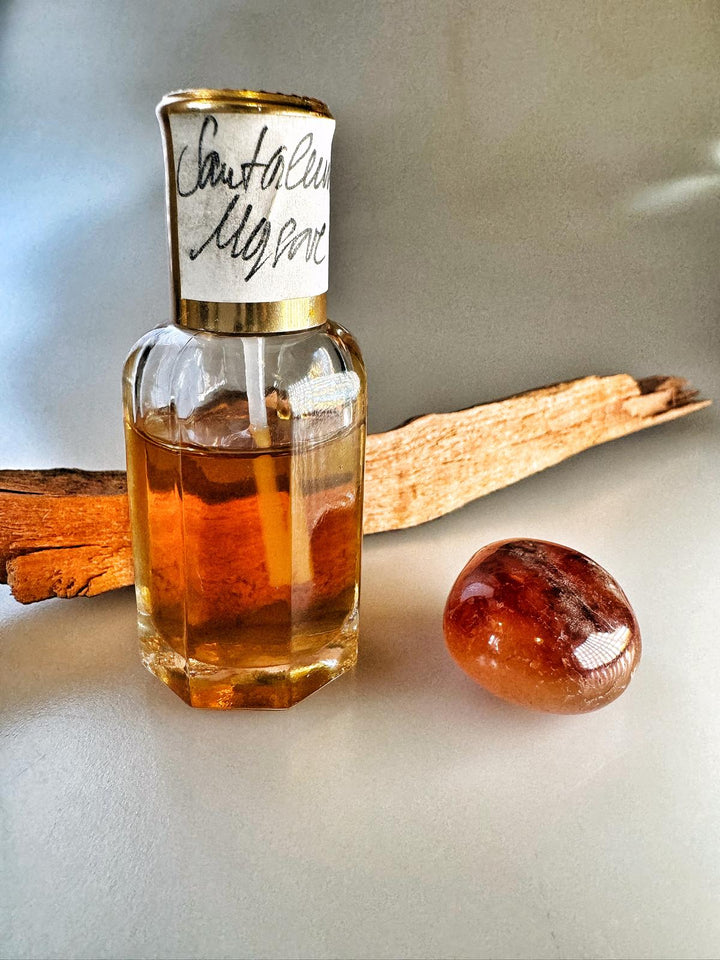
Classical attars were built on Santalum album – pure Mysore sandalwood – because its creamy, buttery, long-lasting base holds top materials without distorting them. Modern Mysore is nearly extinct in commercial trade; serious attar producers now use Australian or New Caledonian sandalwood, or carefully aged stockpiles of older Indian material.
Rose (Gulab)
Rose attar – particularly from Kannauj in India and Kashan in Iran – is the most celebrated floral in the tradition. A single gram of high-grade rose attar requires thousands of petals.
Agarwood (Oud)
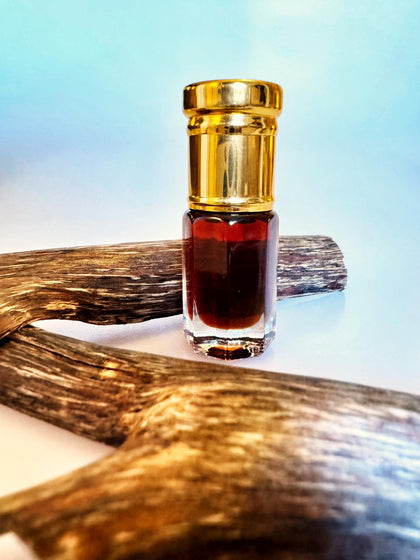
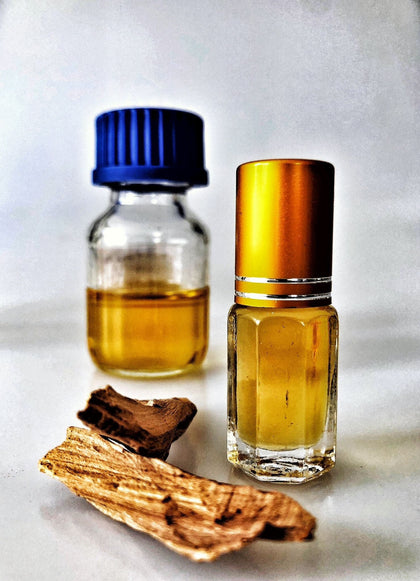
Oud attar combines distilled agarwood with sandalwood in varying proportions. The finest examples rival any extrait de parfum in complexity and dramatically outlast them. We source our own agarwood directly from Assam, Cambodia, Borneo, Thailand and Laos, buying Cambodian material straight from distillers. Our Oud Royal Thai Trat pure oil can be worn in the attar tradition – a single drop, directly on the skin.
Saffron (Zafraan)
Saffron attar carries the spicy, leathery, almost metallic signature of the world's most expensive spice. It is frequently layered under oud to add brightness.
Henna, Kewra, Mogra
Indian attars draw on a botanical palette Western perfumery barely touches – henna leaf, kewra flower, mogra jasmine and dozens of other materials.
How Attar Is Worn
The attar ritual is the opposite of spraying a modern perfume. Here is the traditional approach:
- Open the bottle carefully. Attar is thick; it will bead rather than pour.
- Use the glass applicator rod or a clean finger. Collect a drop the size of a grain of rice.
- Apply to a pulse point: inner wrist, hollow of the throat, behind the ears, or the chest.
- Do not rub vigorously. Gentle warming with body heat is enough. Rubbing distorts the top notes.
- Wait. A good attar reveals itself over an hour. The first thirty seconds are not the story.
Layering Attars
Serious attar wearers layer multiple oils – rose under oud, saffron over sandalwood, musk over amber. Because the base is always sandalwood or a similar carrier, the oils blend naturally on skin. This is a completely different aesthetic from modern perfume layering but equally rewarding.
Attar in Modern Niche Perfumery
Although we work primarily in the alcohol-based extrait tradition in our Hamburg atelier, several of our oud oils can be worn as attars without modification. A single drop of Oud Royal Cambodi 2009 on the chest in the morning is functionally an attar application – and the result is closer to the classical Gulf style than most alcohol-based perfumes can achieve.
We also offer a semi-bespoke service that can produce custom attar-style oil compositions for clients who prefer the alcohol-free format. Hamburg, Germany, it turns out, is not a bad place to continue a two-thousand-year-old tradition.
Storage and Longevity
Attar is extraordinarily stable. Kept in a dark, cool place – ideally under 20 degrees Celsius – a well-made attar can improve for decades. Vintage attars from the 1970s and 80s are traded among collectors for prices that rival fine whisky. Store upright, never in direct sunlight, and never in the bathroom where humidity cycles damage the seal.
How to Spot a Real Attar
- Thick, syrupy consistency – watery attars are usually diluted with cheap oils
- Golden to deep amber colour – never water-clear, never artificially dyed
- Traditional packaging – small glass bottles, often with glass applicator rods
- Transparent ingredient lists – sandalwood base should be named specifically
- Price honesty – a 3 ml bottle of genuine oud attar cannot cost 15 EUR
The Future of Attar
With Mysore sandalwood protected and wild oud increasingly regulated, the classical attar tradition is under pressure. But it is also being reinvented. A new generation of perfumers in the Gulf, India and Europe – including our own atelier in Hamburg, Germany – is treating attar not as a museum piece but as a living art form, using sustainable sandalwood, plantation oud and ethically sourced animal substitutes to produce handcrafted, limited edition oils that honour the tradition without romanticising its excesses.