

Ambergris – The Liquid Gold of the Ocean in Perfumery
Ambergris may be the strangest luxury product in the world. It is found washed up on beaches from New Zealand to the Bahamas, it smells like nothing else on earth, it is illegal in some countries and prized in others, and a single good lump can be worth more than a small car. For perfumers, ambergris is not just an ingredient – it is the single material that no synthetic has ever fully replaced. This guide explains what ambergris actually is, how it ends up in niche perfumery, and why a Hamburg atelier like ours works with it at all.
What Is Ambergris?
Ambergris is a solid, waxy substance produced in the digestive system of the sperm whale (Physeter macrocephalus). Sperm whales eat enormous quantities of squid, and the indigestible beaks of these squid can irritate the whale's intestinal lining. In response, the whale secretes a protective substance around the beaks – essentially a biochemical pearl. This mass is eventually expelled into the ocean, where it floats for years or decades, oxidising under the influence of sun, salt and air, slowly transforming into the material perfumers call ambergris.
Fresh ambergris smells unpleasant – faecal, marine, almost barnyard. Aged ambergris smells extraordinary: warm, ambery, slightly tobacco-like, with a salty, skin-like glow that no other material in perfumery can replicate.
Grades of Ambergris
- White ambergris: The rarest and most aged. Pale, dry, with the cleanest, most radiant scent.
- Grey ambergris: The most common high-grade. Balanced, complex, with a beautiful marine-amber character.
- Brown/Black ambergris: Younger, more animalic, still highly usable after tincturing.
Is Ambergris Ethical?
This is the question every serious perfumer must answer honestly. The facts:
- Ambergris is a natural waste product. The whale is not harmed in its production.
- Almost all ambergris in the legal European market is beach-found, collected by walkers along coastlines in New Zealand, Ireland, Scotland and Namibia.
- Sperm whales are an endangered species. The United States classifies ambergris under the Marine Mammal Protection Act and forbids import. The EU, the UK, Australia and New Zealand permit trade in legally collected material.
- Reputable ateliers – including ours in Hamburg, Germany – work only with beach-collected, traceable ambergris and keep documentation of every acquisition. The ambergris we use ourselves is sourced this way: genuine beach-finds from New Zealand, South Africa and the Caribbean.
What Ambergris Smells Like
Good ambergris tincture smells like:
- Warm skin, but cleaner and more radiant
- Sea air and dry seaweed
- Aged tobacco, cashmere, soft leather
- A faint animalic undertone, never overtly dirty
- A "lifting" quality – it makes everything around it smell more expensive
This last property is why perfumers obsess over it. A few drops of ambergris tincture in an extrait de parfum amplify every other note, extend the dry-down by hours, and give the fragrance a three-dimensional radiance that synthetic amber molecules approximate but never match.
Ambergris in Our Hamburg Compositions
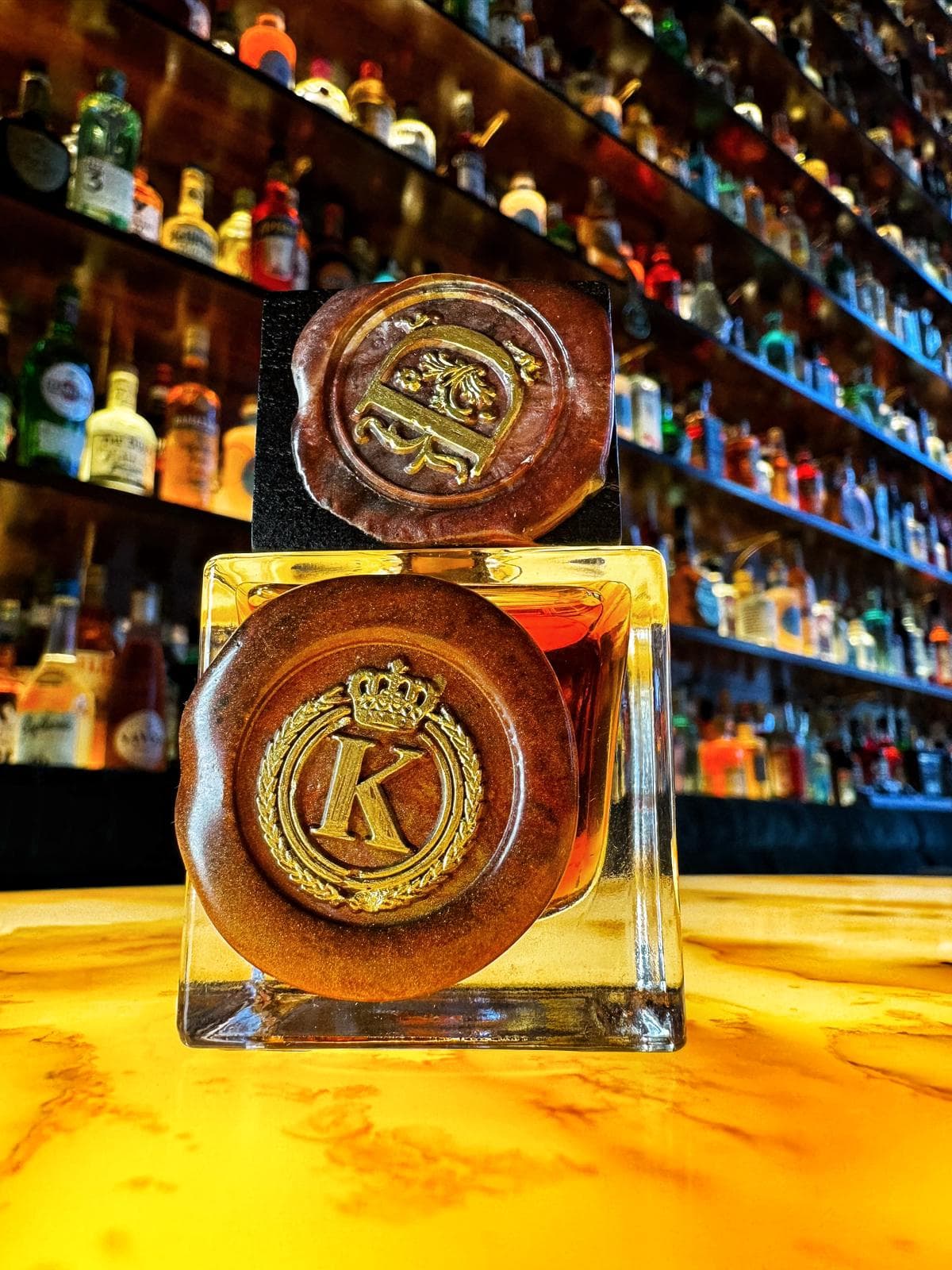
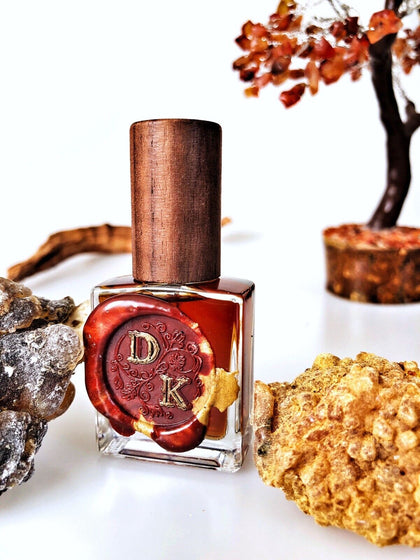
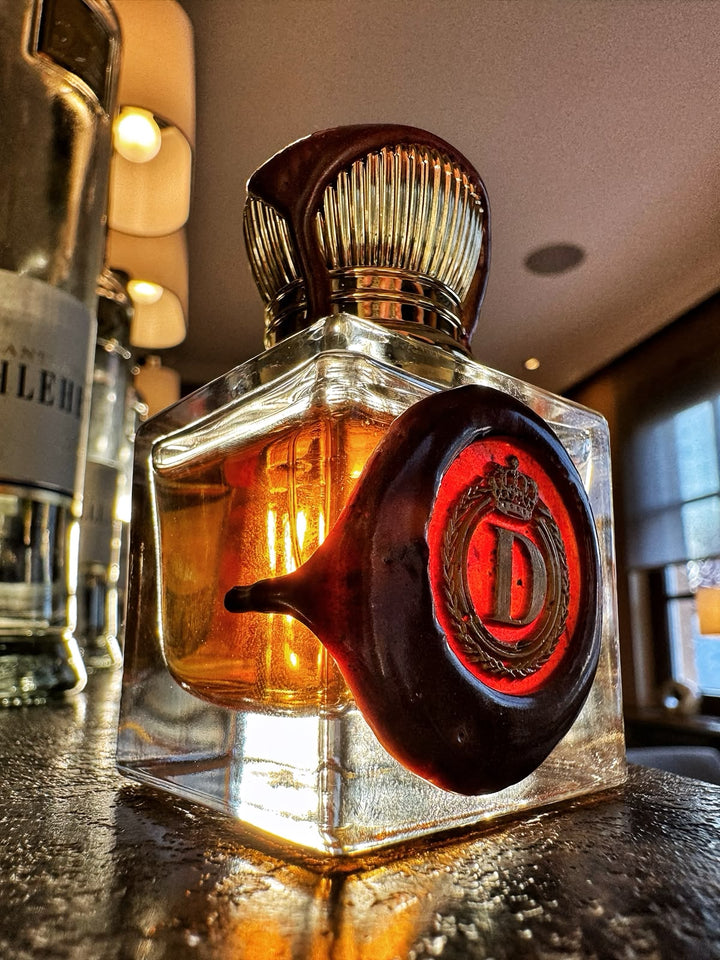
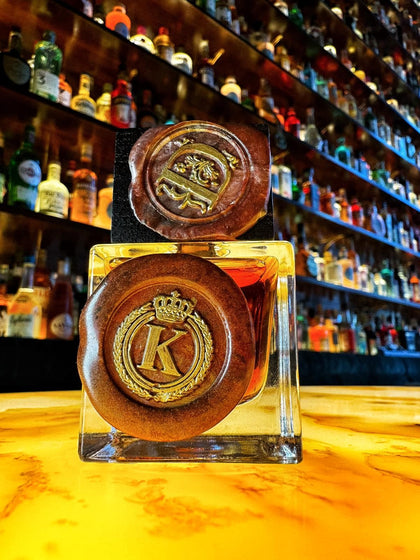
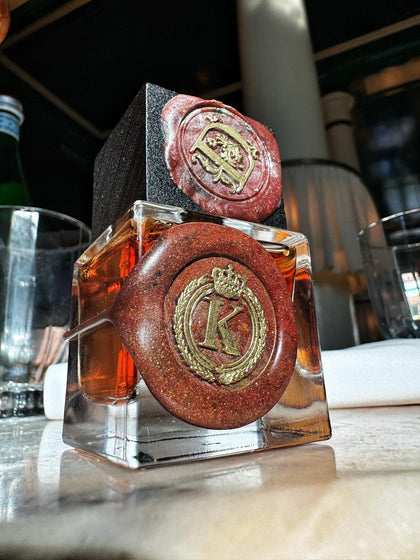
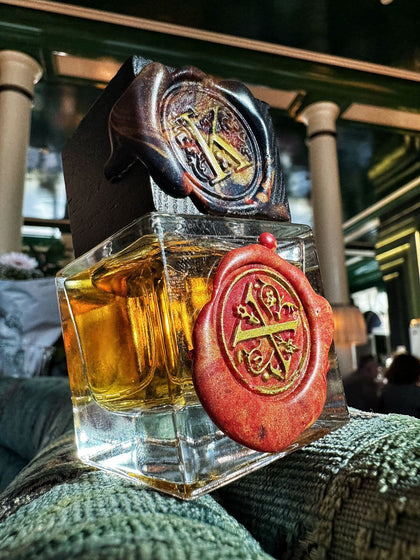
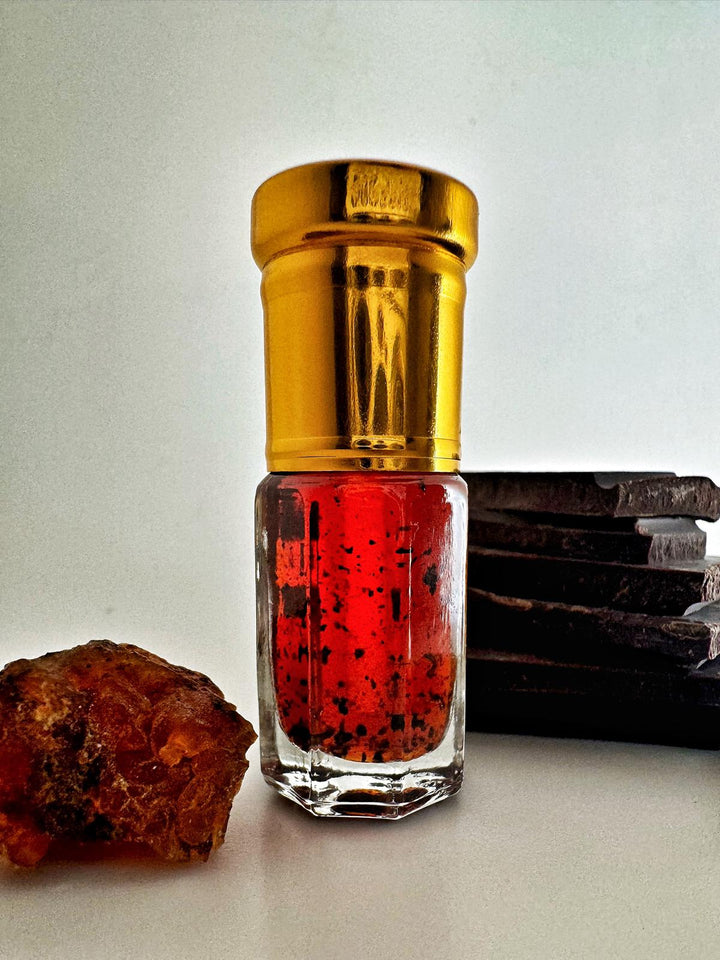
The most explicit ambergris showcase in our range is Ambra al Hambra, an extrait de parfum built around real ambergris tincture, labdanum and tonka. Wearing it is the closest most people will ever come to understanding why this material commands the prices it does.
Ambergris also appears in micro-quantities in Al Hayvaan and Tonkin Sunset XDP, where it functions as a radiance amplifier rather than a named note.
Why We Use Real Ambergris
Ambroxan, Cetalox and other synthetic ambery molecules are excellent materials and we use them routinely. But they reproduce only the "salty wood" facet of real ambergris. The warmth, the glow, the way real ambergris interacts with skin chemistry – these are not yet reproducible. For the handful of extraits where the ambergris note is central, only the real thing will do.
How to Tell Real from Fake Ambergris
If you are buying raw ambergris – which most perfume collectors never do, but which is a fascinating market in its own right – the classic tests are:
- Hot needle test: A heated needle pushed into real ambergris leaves a black, waxy residue and a faint sweet-marine aroma. Fake material (often beeswax or paraffin) smells like burning plastic.
- Float test: Real ambergris floats in fresh water but the density varies by grade.
- Burn test: A tiny piece burnt on foil melts slowly and leaves a dark, tarry mark. Fakes burn too quickly or too cleanly.
- Provenance documentation: Always ask for the GPS location and date of collection. Serious collectors will provide it.
Ambergris Tincture: How Perfumers Use It
Raw ambergris is not added directly to perfume. It is first grated or shaved, then macerated in high-proof ethanol for a minimum of three months – ideally six to twelve – to produce an ambergris tincture of roughly three to five percent strength. This tincture is then dosed into compositions at levels of 0.5 to 3 percent.
The slowness is part of the craft. A tincture rushed is a tincture wasted.
The Economics of Ambergris
Raw ambergris, depending on grade, currently trades at roughly 10 to 40 EUR per gram at the wholesale level, with exceptional white lumps reaching 60 EUR per gram and above. A single kilogram of fine ambergris, then, can be worth more than 40,000 EUR. For a niche atelier, this is one of the most expensive materials in regular use, which is why it appears in extrait compositions, not in mass-market EdTs.
Caring for Fragrances That Contain Ambergris
Ambergris-rich extraits actually improve with age in the bottle. The tincture continues to mature, the composition integrates further, and many collectors deliberately cellar their ambergris-heavy bottles for a year before wearing them. Store upright, cool, dark – and be patient. Read more about our approach to ingredients or browse our complete extrait collection.