


Thai Oud – Why Thai Agarwood is Changing Niche Fragrance
For decades, the oud world operated on a simple axis: India at one end, Cambodia at the other. Then, quietly, Thailand changed everything. Over the past fifteen years, Thai oud – has emerged as an important origin, and for a growing number of niche collectors it has become the preferred one. This guide explains why Thai agarwood is different, what makes it so approachable, and why our Hamburg atelier built its flagship oud release around Trat material.
The Rise of Thai Oud
Thailand has produced oud for centuries, but until the early 2000s the output was almost entirely absorbed by regional markets – Thailand itself, Malaysia, Singapore, the Gulf. A combination of falling wild supply in Cambodia, strict CITES enforcement in India, and the professionalisation of Thai plantation agriculture shifted the global balance. By 2015, serious niche houses in Europe and North America were openly building releases around Thai oud; by 2020, it was arguably the most commercially important origin in the world.
Why Thailand?
The eastern provinces of Trat and Chanthaburi, along the Thai-Cambodian border, combine ideal climate, soil and agricultural expertise. Most of the Aquilaria crassna plantations driving modern Thai production are concentrated here. Distillers in these provinces have refined their methods rapidly, and the quality ceiling of Thai oud has risen dramatically in the last decade.
The Thai Oud Scent Profile
Thai oud smells different from Cambodian or Assam material from the first second:
- Opening: Bright, resinous, with pine-like freshness and a sparkling top note. Minimal "barnyard" character.
- Heart: Clean wood, incense, a distinct cathedral-like quality that is unmistakable once you know it
- Dry-down: Long, smooth, with undertones of sweet wood, dried herbs and soft balsamic warmth
- Development: 10 to 14 hours on skin, with remarkable consistency across the wear
If classical Assam is a gothic cathedral, Thai oud is a modern glass building: clean lines, bright, easier to love on first encounter.
Why Thai Oud Is More Beginner-Friendly
The chemistry tells the story. Thai Aquilaria crassna produces higher concentrations of the brighter resinous compounds and lower concentrations of the heavy phenolic molecules that give Assam its animalic character. The result is an oud that skips directly to the beautiful part, without the challenging opening.
Thai Oud in Our Hamburg Range
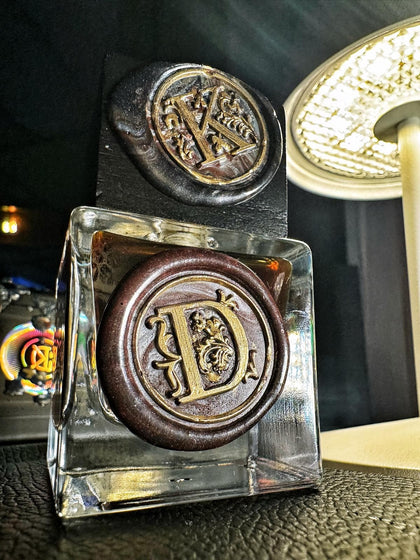
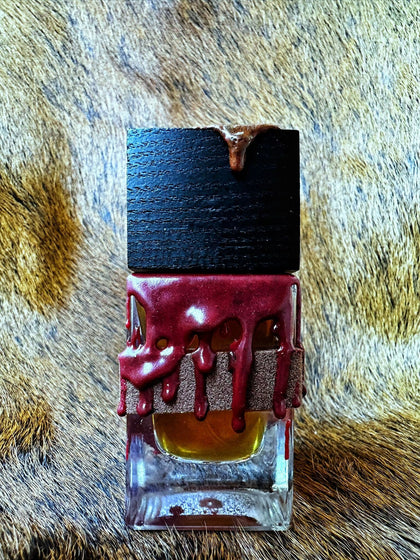
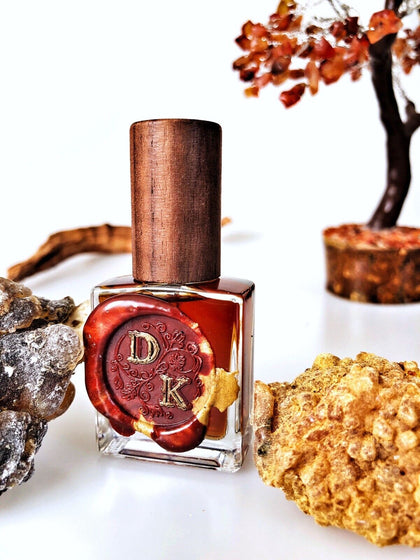
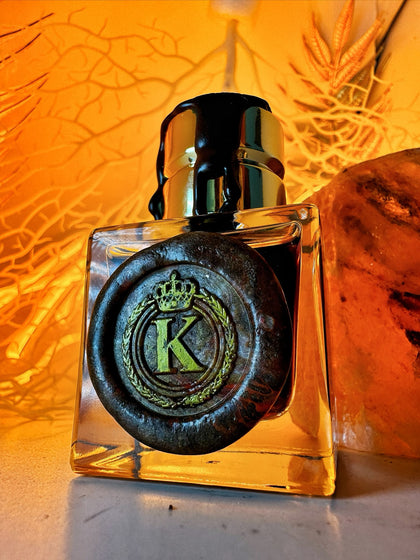
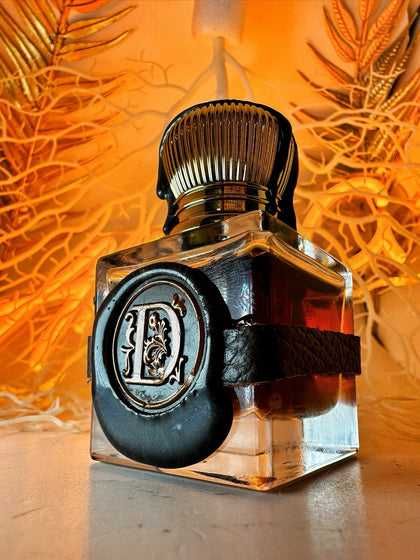
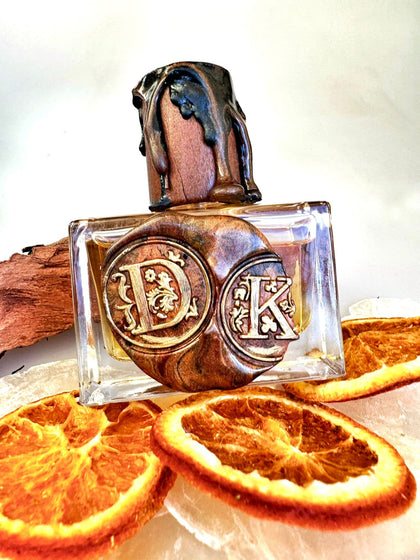
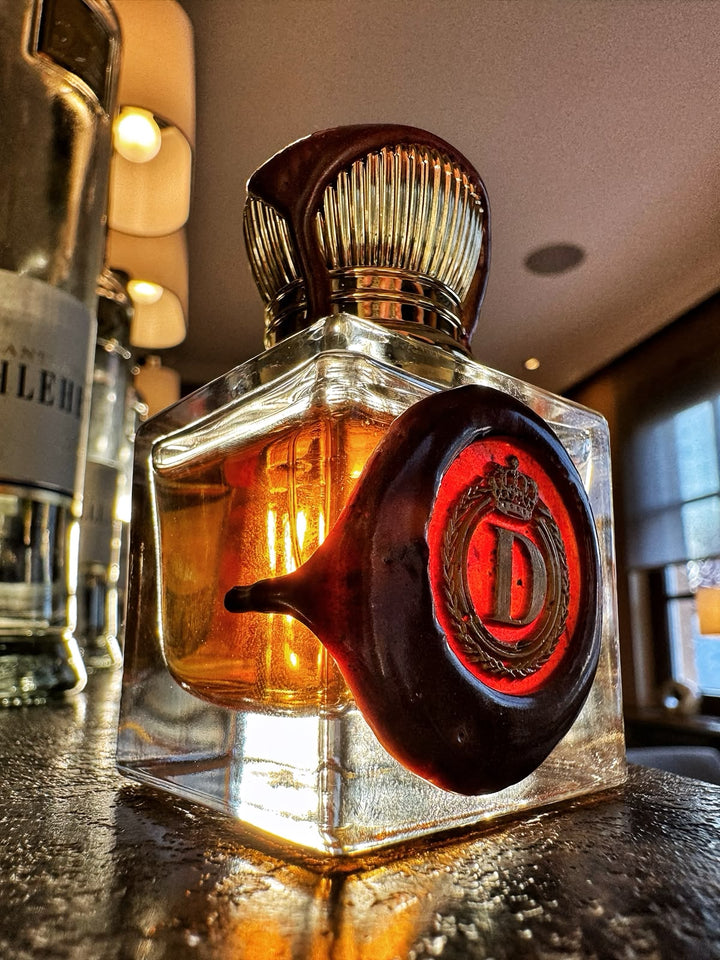
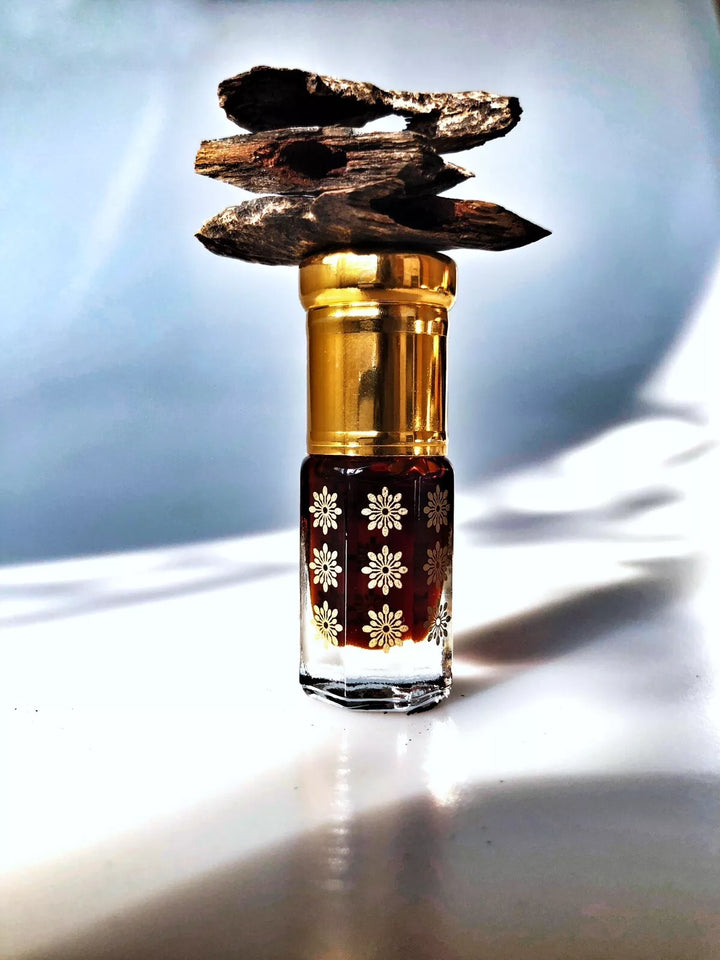
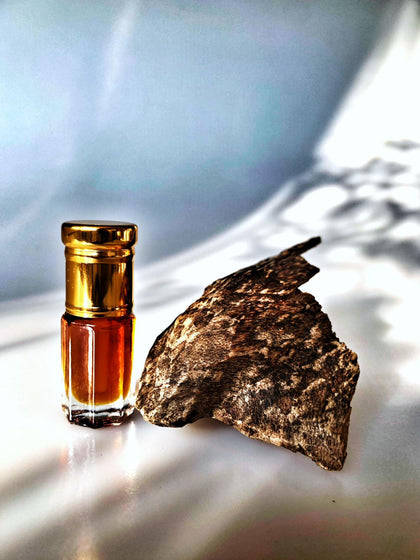
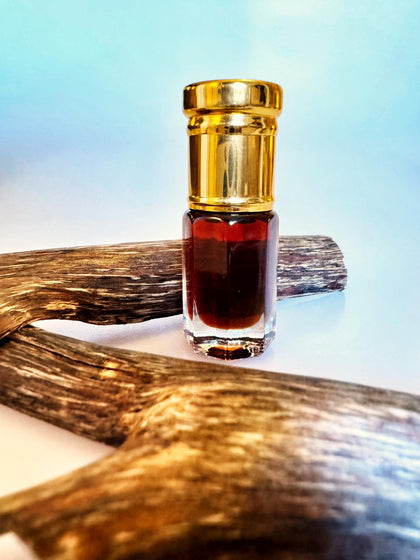
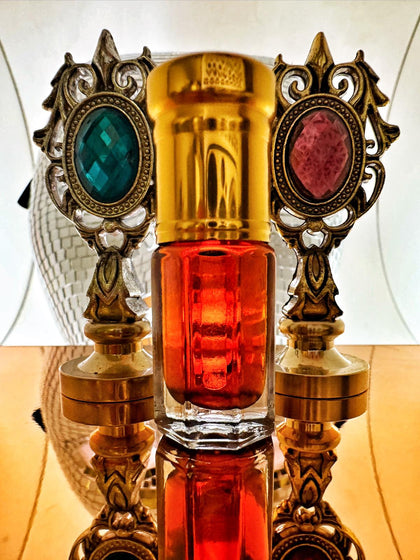
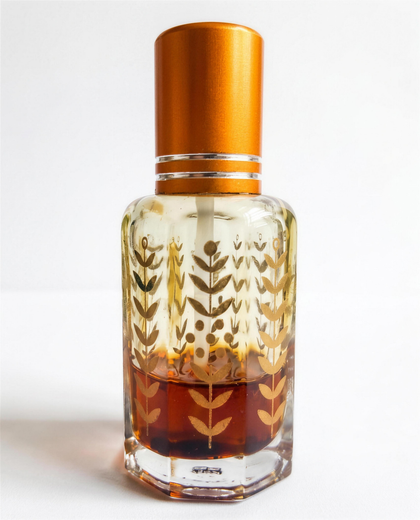
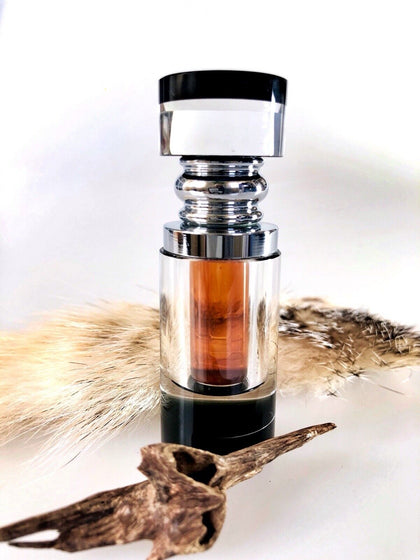
Our dedicated Thai oud offering is Oud Royal Thai Trat – a pure distillate from the Trat region, presented in the traditional 3 ml flacon with glass applicator. It has become one of our most consistently popular releases, and for many of our Hamburg clients it is the gateway to deeper oud exploration.
Thai oud also anchors Tonkin Sunset XDP, where its bright resinous character lifts the tonka and vanilla composition without dominating. The result is an extrait that reads as "sunset over a pine forest" – which is exactly the effect we were aiming for.
How Thai Oud Compares to Other Origins
Thai vs Cambodian Oud
Cambodian oud (see our Cambodian Oud guide) is honeyed and fruity; Thai oud is resinous and cool. Cambodian is the dessert, Thai is the forest walk.
Thai vs Assam Oud
Assam oud (read our Assam Oud guide) is deep, dark and animalic; Thai is bright and clean. The two origins represent the opposite poles of the agarwood spectrum.
Thai vs Malaysian and Indonesian Oud
Malaysian and Indonesian ouds share some character with Thai material but tend toward heavier, sweeter profiles. Thai oud is the cleanest and most "linear" of the Southeast Asian origins.
Wild vs Plantation in Thailand
Thailand has been a pioneer of sustainable plantation agarwood. The Thai government has actively promoted Aquilaria cultivation as a high-value agricultural crop, and the result is a mature, well-regulated industry. Most of the Thai oud in international trade today is plantation material, and the best of it rivals wild oud from any origin.
Wild Thai oud from very old trees still exists but is rare and expensive. In our experience, well-aged plantation Trat is often indistinguishable from wild material, and in some cases superior because the distillation is better controlled.
Applications and Wear
Thai oud is exceptionally versatile:
- Pure oil: One drop on the wrist in the morning; expect 12 to 14 hours of bright, clean wood
- In an extrait: Two small sprays of Tonkin Sunset XDP; works for office, evening or casual wear
- Layered: A drop of Thai oud under any of our extraits adds depth without darkening the overall profile
- Seasonal: Works year-round; particularly good in spring and summer when heavier ouds become cloying
The Economics of Thai Oud
Quality Thai oud is currently priced below Cambodian and dramatically below Assam, which makes it the best value in serious agarwood. For a beginner building a collection, this is the most rational starting point.
The Future of Thai Oud
Thailand is likely to remain the dominant origin for the next decade. Plantations planted in the 2010s are now reaching full maturity, distillation techniques continue to improve, and the international market has stabilised around Thai production as its reference point. For a house like ours, based in Hamburg, Germany, but sourcing globally, Thai oud has become the single most important origin in the portfolio.
Sourcing and Transparency
We source Thai oud carefully, and every sample is evaluated in our Hamburg atelier before the full purchase is committed. This direct-import model is expensive and time-consuming, but it is the only way to guarantee what ends up in the bottle. Explore our full oud collection or read about our approach to sourcing.
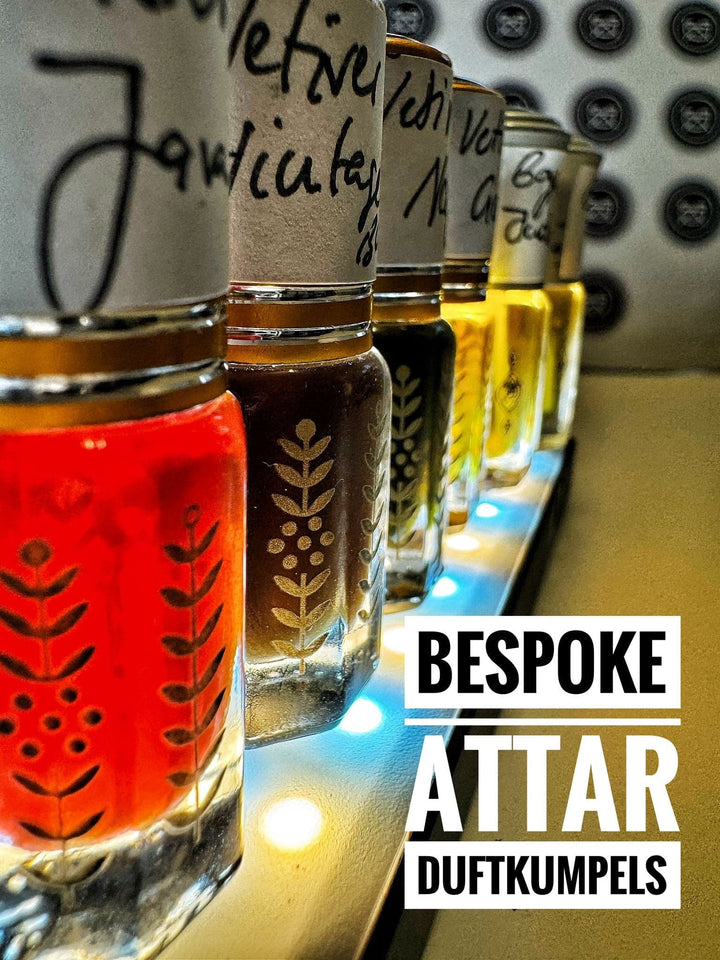
From sourcing to bottle: Thai oud is one part of a personal sourcing practice that also reaches Assam, Cambodia, Borneo and Laos – AttarG travels to each origin himself to select material on-site. Every Thai oud batch is then hand-mixed, numbered and left to mature four to twelve weeks in our Hamburg atelier before bottling, in numbered limited editions of roughly 20 to 100 bottles.


