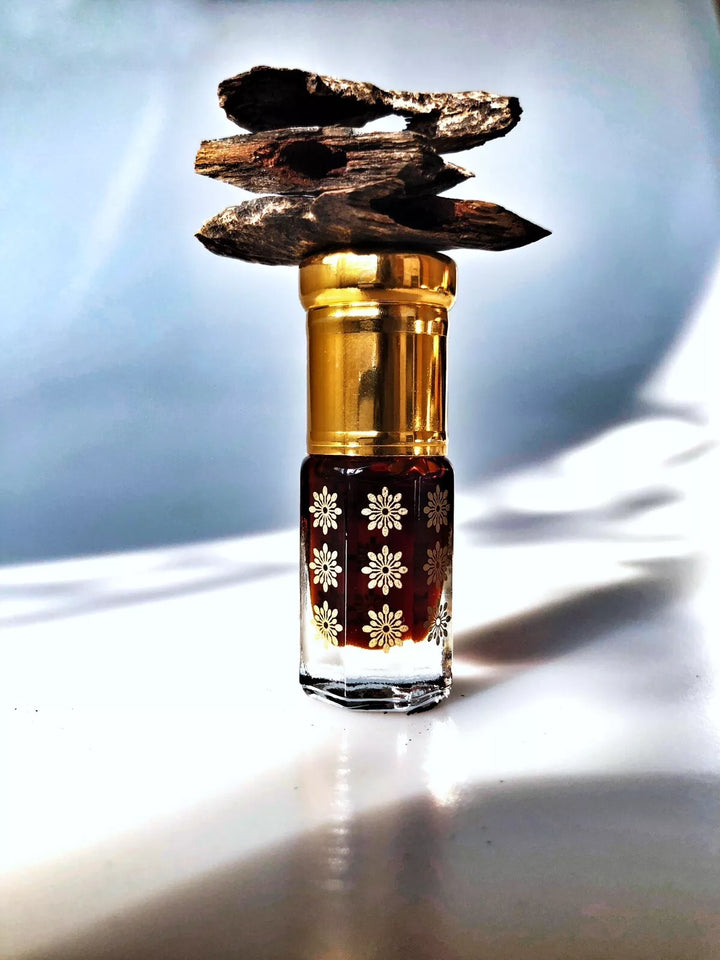
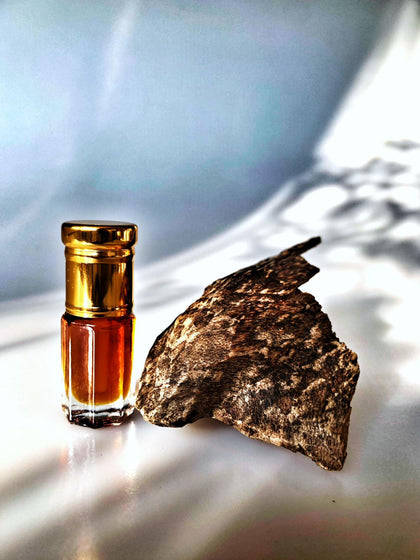
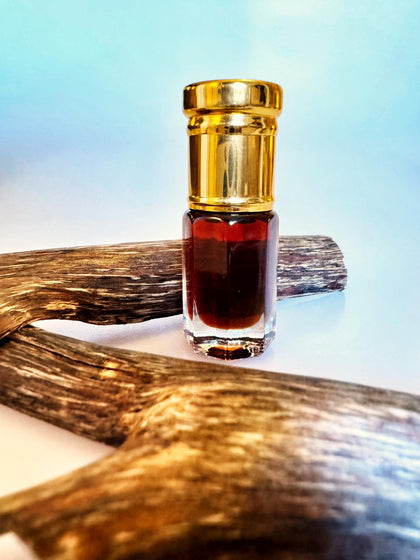
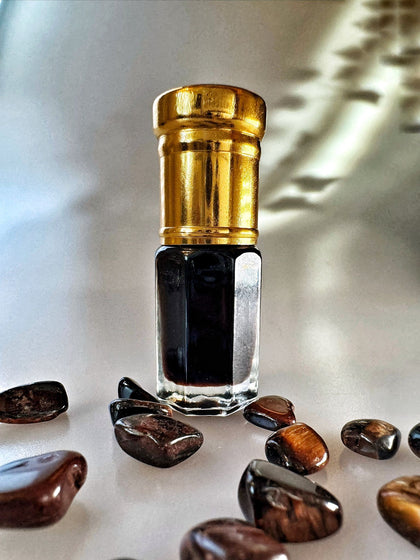


Assam Oud – The Deepest, Darkest Oud in the World
If oud has a homeland, it is Assam. The dense, humid forests of northeast India produced the first commercial oud oil that reached the Arabian Peninsula, and for centuries the Assamese distillation tradition set the global standard. Today, with wild Aquilaria malaccensis protected and plantation material scarce, Assam oud has become the rarest, most serious corner of the agarwood world. This guide explains why – and why, for our Hamburg atelier, an Assam oud in the collection is non-negotiable.
The Assam Origin Story
Assam's Aquilaria malaccensis trees grow in the lowland forests along the Brahmaputra river. The region's unique combination of humidity, temperature and soil produces an agarwood with a chemical profile that distinguishes it sharply from Southeast Asian varieties. Where Cambodian oud is honeyed and Thai oud is resinous, Assam oud is something else entirely – deeper, darker, more animalic.
Distillation in Assam has been a village craft for centuries. Families pass copper stills, techniques and firing schedules from generation to generation. The traditional process uses extremely long distillation times – sometimes over a week – and produces what many collectors consider the reference profile of "classical" oud.
Wild vs Plantation Assam
True wild Assam oud – distilled from naturally infected old-growth trees – is now extraordinarily rare. A few family stockpiles from the 1990s and early 2000s still circulate among serious collectors, at prices that rival fine vintage wine. Plantation Assam, while not identical, still carries the characteristic deep profile and is the backbone of current serious distillation.
The Assam Scent Profile
What you smell when you open a bottle of Assam oud:
- Opening: Powerful, slightly fermented, with a characteristic "barnyard" note that is confronting to new collectors and addictive to experienced ones
- Heart: Leather, smoke, forest floor, a warm animalic glow
- Dry-down: Long, resinous, with undertones of tobacco, sandalwood and dark honey
- Development time: 12 to 20 hours on skin; several days on fabric
Why Assam Opens the Way It Does
The Assam profile comes from specific chromones and sesquiterpenes that Aquilaria malaccensis produces in higher concentrations than its Southeast Asian cousins. These molecules are responsible for the animalic, fermented character that defines "traditional" oud. Hatred or love at first sniff; rarely indifference.
Assam Oud in the Arabian Tradition
Gulf perfumery considers Assam the gold standard. Traditional mu'attir-style heavy compositions – the dense, layered perfumes of Saudi Arabia, the UAE and Oman – are built around Assam oud as their central structural note. The Indian source, the Arab composition: this has been the axis of serious oud perfumery for five hundred years.
Assam in Our Hamburg Range
Assam is one of five oud origins AttarG sources personally for the Duftkumpels collection – alongside Cambodia, Borneo, Thailand and Laos – which is why an Assam bottling has a permanent place in the range rather than appearing as a one-off curiosity.
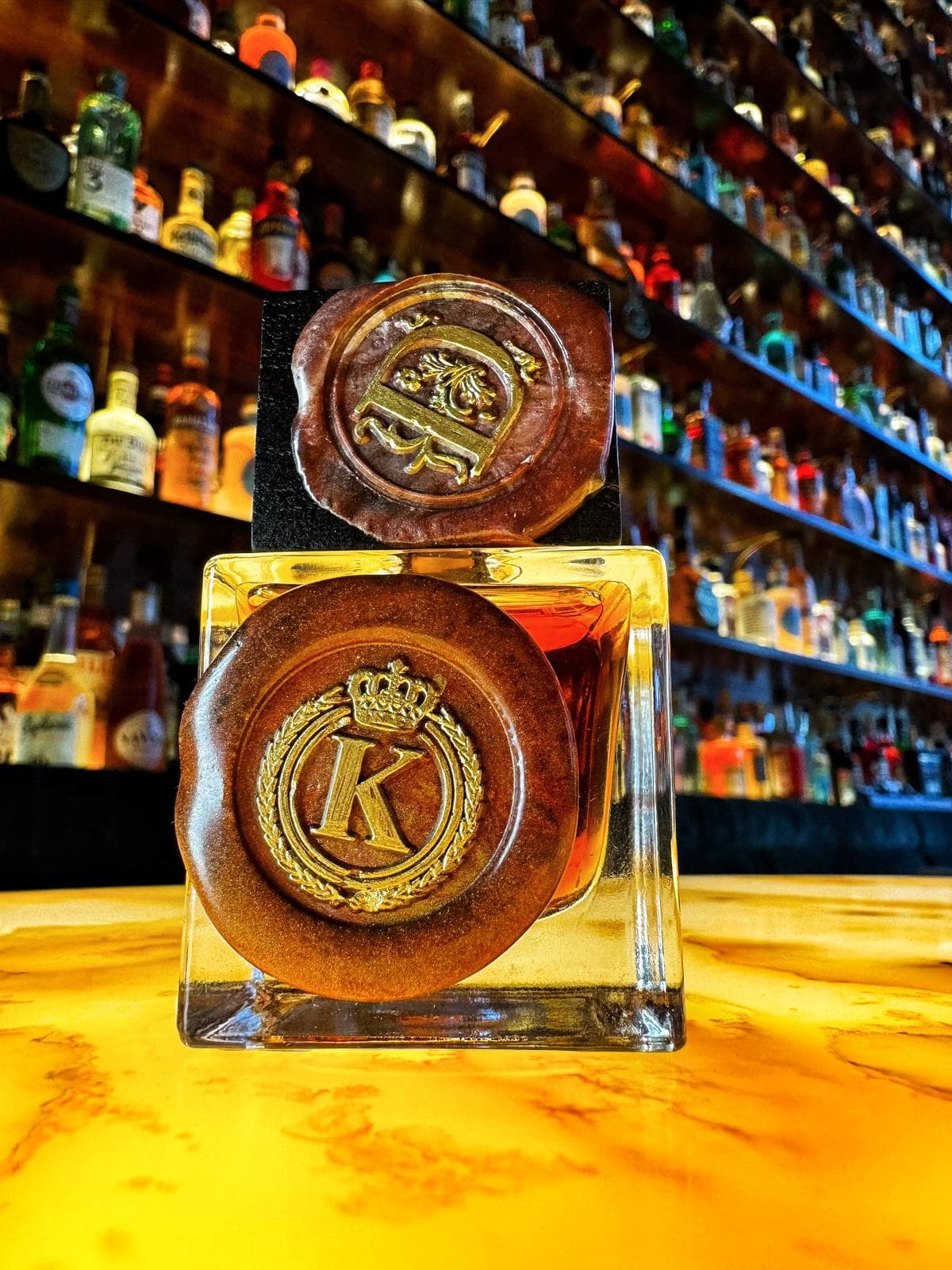
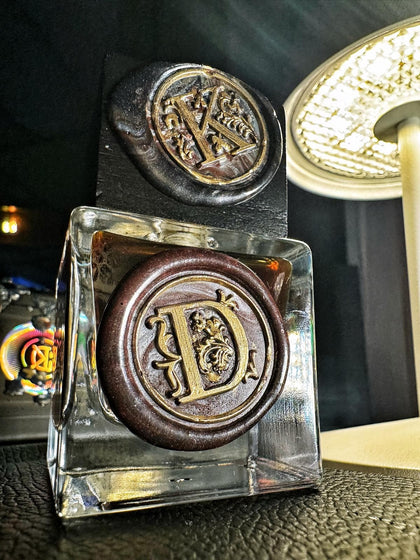
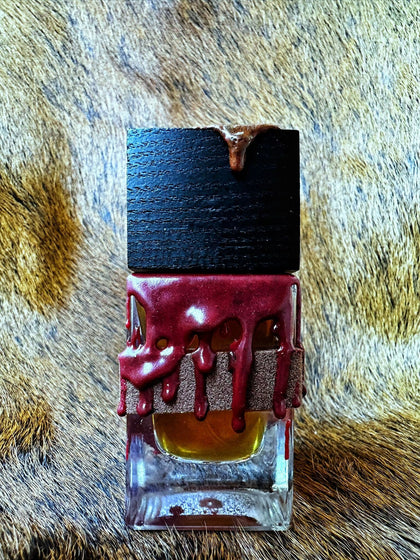
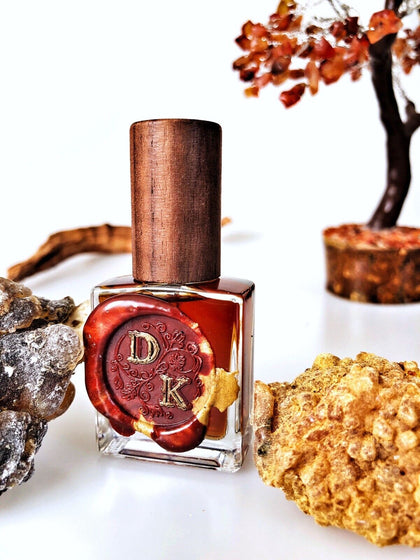
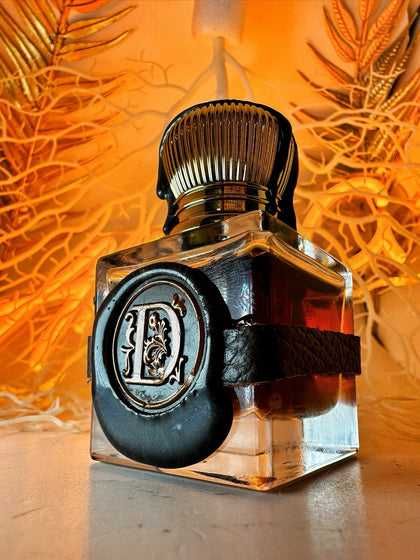
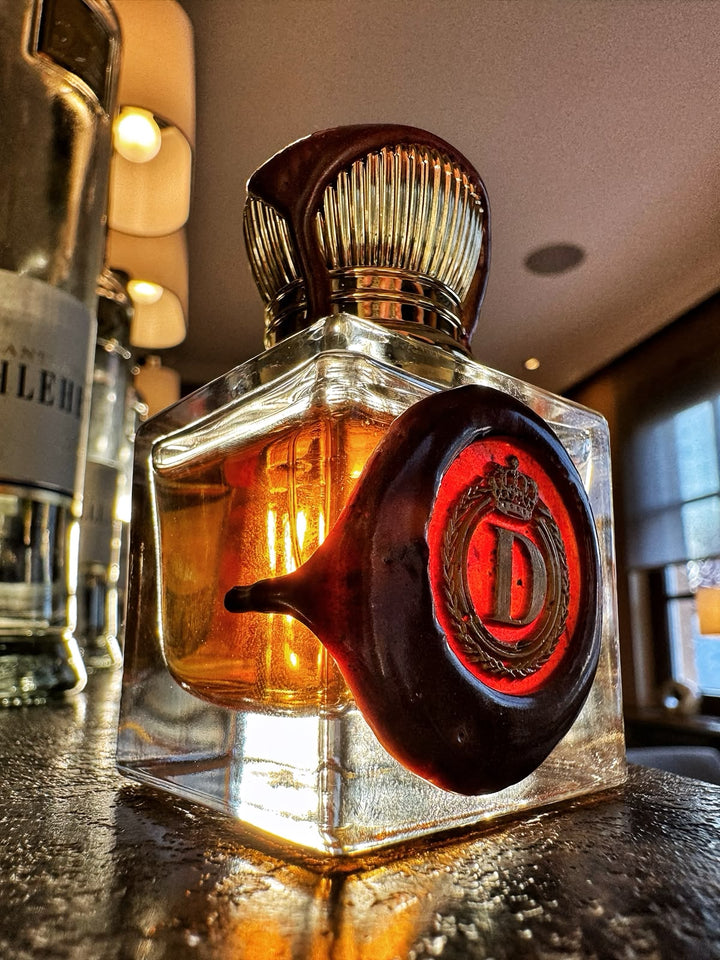
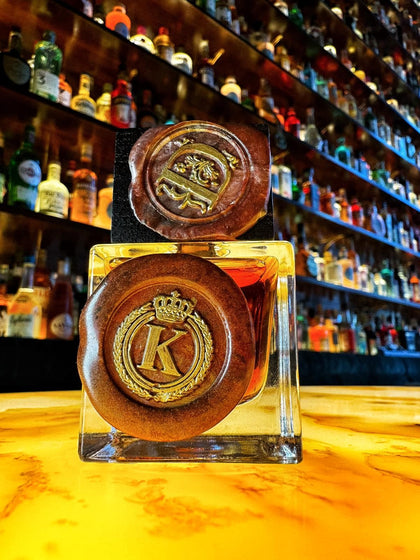
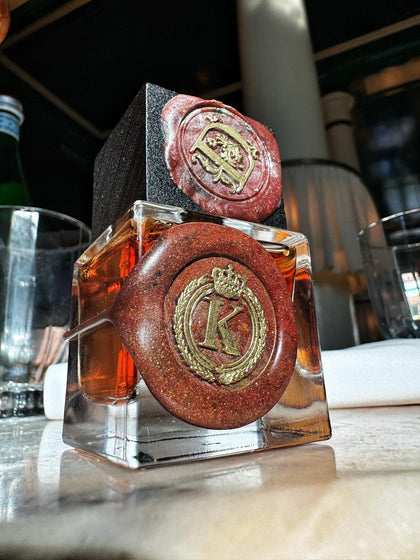
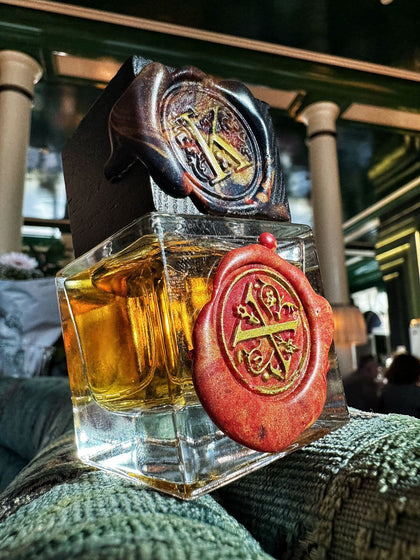
Our most direct homage to the Assam tradition is Al Hayvaan Extrait de Parfum, which uses Assam-style oud as its structural backbone alongside amber, a civet accord and warm musk. If Cambodian oud is the pop song of the agarwood world, Al Hayvaan is the opera – dense, slow-developing, uncompromising.
For pure oil collectors, we occasionally stock micro-batches of aged Assam distillate. These are not listed publicly; contact our Hamburg atelier directly via our contact page if you are interested.
How Assam Differs from Other Origins
Assam vs Cambodian Oud
Cambodian oud (see our Cambodian Oud guide) is sweet and honeyed. Assam is deep and animalic. They are opposite ends of the oud spectrum.
Assam vs Thai Oud
Thai oud (read our Thai Oud guide) is bright and resinous. Assam is darker, with a heavier animalic base.
Assam vs Hindi Oud
"Hindi oud" is often used as a synonym for Indian oud generally, but specifically refers to the traditional Assam profile. True Hindi oud is Assam oud distilled in the classical village style.
How to Wear Assam Oud
Assam is not a fragrance for the uninitiated. A single drop of pure Assam oil is enough for a full day and will announce itself powerfully. For most wearers, an Assam-based extrait like Al Hayvaan is a more civilised starting point: one small spray to the chest provides twelve to sixteen hours of wear without overwhelming your colleagues.
Assam is also the classical "oud night" material. If you are entertaining at home, lighting an oud chip or wearing a dab of pure Assam creates an atmosphere no candle can match.
The Ethics and Legality of Assam Oud
Aquilaria malaccensis is listed under CITES Appendix II, which means all international trade requires permits. Legitimate suppliers – including our atelier in Hamburg, Germany – hold CITES documentation for every lot. If a seller offers you Assam oud without being willing to discuss provenance, walk away.
Plantation Assam is increasingly important both economically and ecologically. A well-run plantation program provides income to local communities while reducing pressure on wild trees. Our sourcing prioritises plantation material from documented, sustainable operations.
Ageing and Collecting Assam
Assam oud improves dramatically with age. A five-year-old Assam oil is better than a fresh one; a fifteen-year-old is better still. Classical collectors speak of twenty- and thirty-year-old Assam stocks the way wine collectors speak of first-growth Bordeaux. If you can buy young Assam now and cellar it, you are buying two products: the current fragrance, and the much better fragrance it will become.
Our Philosophy on Assam
In our Hamburg atelier, Assam oud is treated with particular reverence. It is the material that most directly connects modern niche perfumery to its ancient roots, and it is among the most beautiful things in any perfumer's palette. Every Assam-based composition is handcrafted in limited editions, macerated for a minimum of eight weeks, and aged for an additional two weeks before bottling. Browse our full oud collection or explore the flagship Al Hayvaan extrait.