Artikel: Niche vs Designer Perfume – The Big Comparison 2026
Niche vs Designer Perfume – The Big Comparison 2026
"Niche vs designer" has become the central debate of contemporary fragrance culture. Every perfume forum, every YouTube channel, every serious collector's conversation eventually circles back to it. And yet the discussion is often confused, because the terms mean different things to different people and the marketing surrounding them is aggressive in both directions. This guide is our honest take from inside a Hamburg niche atelier: what actually distinguishes the two categories in 2026, where each excels, and which one you should actually be buying.
What Makes a Perfume "Designer"?
A designer perfume is typically a product-line extension for a fashion, luxury or celebrity brand. The key characteristics:
- Ownership: Part of a larger fashion or beauty conglomerate
- Development: Commissioned from a large fragrance house (Givaudan, Firmenich, IFF, Symrise)
- Marketing: Substantial advertising budget, celebrity endorsements, mass campaigns
- Distribution: Global presence through department stores, duty-free, supermarkets and online
- Scale: Production runs of hundreds of thousands to millions of bottles per reference per year
- Formulation priority: Broad market acceptability – "liked by most, loved by few"
What Makes a Perfume "Niche"?
A niche perfume – in the original, proper sense of the term – is a fragrance from an independent house that:
- Ownership: Independent, often family-owned or founder-led
- Development: In-house perfumer or direct collaboration with named independent perfumer
- Marketing: Word-of-mouth, editorial placement, niche boutique presence
- Distribution: Selective – own boutiques, specialist retailers, direct online
- Scale: Production runs of hundreds to tens of thousands per reference
- Formulation priority: Olfactory distinctiveness and craft quality
The Complication: "Masstige Niche"
Over the past decade, many formerly-independent niche houses have been acquired by luxury conglomerates (LVMH, Puig, Estee Lauder). These houses retain some of the niche aesthetic – premium packaging, higher concentration, luxury positioning – but increasingly operate on designer-scale production and marketing. The industry term is "masstige niche": mass-market economics dressed in niche branding. Whether this counts as real niche is the defining argument of contemporary fragrance culture. Our view: probably not.
The Core Differences
Raw Materials
Designer fragrances are built around commercially economic aromachemicals. Most of the naturals used are present in small percentages for marketing purposes ("made with real jasmine!") while the bulk of the composition is synthetic. Read more in our guide to what niche perfume actually is.
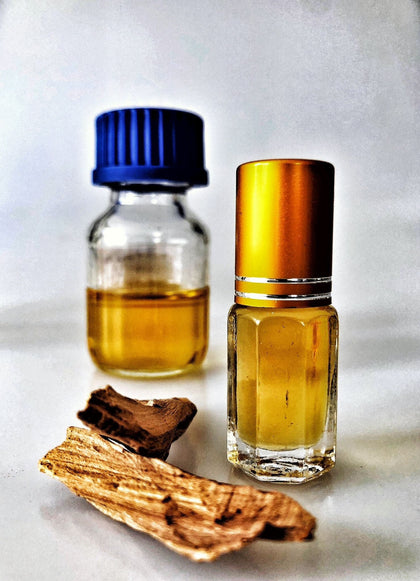
Serious niche fragrances can use materials designer budgets cannot sustain: real aged oud oil, real ambergris tincture, Bulgarian rose absolute, Grasse jasmine absolute, premium synthetic musks and ambers from specialist manufacturers. Our Ambra al Hambra contains real ambergris. Our Al Hayvaan contains aged oud. These are not marketing claims – they are why the fragrances cost what they cost.
Concentration
Most designer fragrances are EdT (5 to 12 percent aromatic compounds) or EdP (12 to 20 percent). Serious niche work is predominantly extrait de parfum (25 to 40+ percent) or strong, genuinely-high-concentration EdP. This concentration difference alone changes wearing time from 4 to 8 hours on skin to 10 to 16. Read our extrait vs EdP guide.
Composition Architecture
Designer fragrances are composed for maximum first-impression impact. The top is bright, the projection is immediate, the composition simplifies to a dry-down within hours. Niche extraits are composed with the opposite architecture: a slower, more sophisticated reveal over eight or more hours, with a complex evolution that rewards attention.
Production
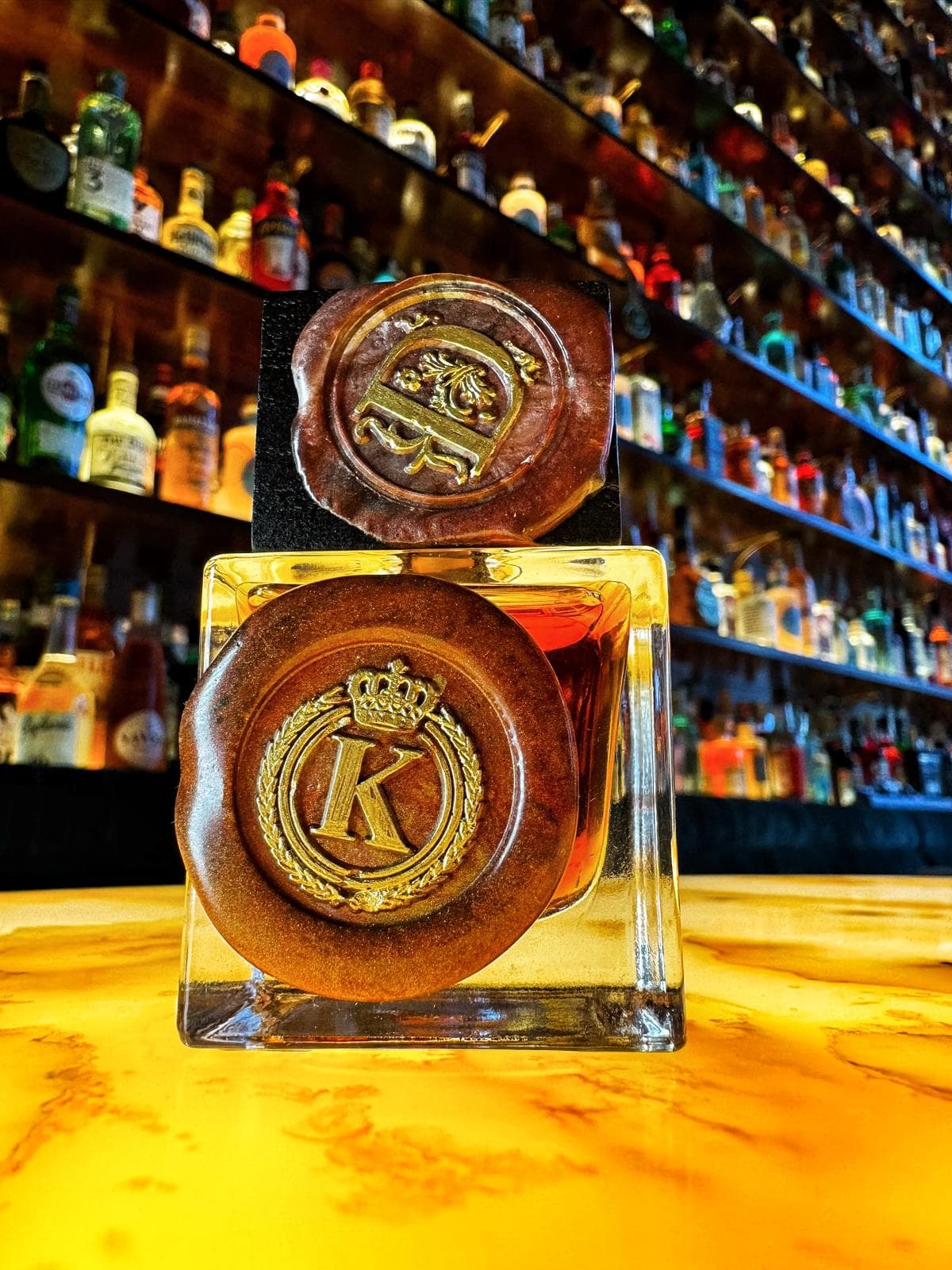
Designer perfumes are contract-manufactured at industrial scale. Niche perfumes, particularly genuinely independent ones, are often filled, labelled and packaged by hand in small batches. At our Hamburg atelier, every bottle is numbered individually. A designer bottle never is.
Pricing
Price differs dramatically in per-millilitre terms. A 100 ml designer EdP at 100 EUR is 1 EUR per ml. A 30 ml niche extrait at 300 EUR is 10 EUR per ml. But the concentration ratio is roughly 3:1 in the niche bottle's favour, and the material quality ratio is often 5:1 or higher. Cost-per-wear narrows the gap significantly.
Where Designer Wins
Designer perfumery has genuine strengths and it is unfair to dismiss the category:
- Accessibility: Available everywhere, testable easily, no niche gatekeeping
- Quality control: Industrial manufacturing produces exceptionally consistent bottles
- Safe reliability: A Chanel bleu or a Dior Sauvage will smell essentially the same from every bottle over a decade
- Lower entry cost: 100 EUR for a substantial bottle is a real accessibility advantage
- Occasional excellence: Some designer releases (classic Guerlains, Chanel Les Exclusifs) rival niche in quality
Where Niche Wins
- Distinctiveness: Nobody else in the room is wearing it
- Longevity: 10+ hours on skin is standard
- Complexity: Compositions that actually evolve over a day
- Material quality: Real oud, real ambergris, real naturals
- Craft: Named perfumers, limited editions, hand-numbered bottles
- Long-term satisfaction: A bottle you grow into, not out of
Who Should Buy Which?
Buy Designer If:
- You change fragrances frequently and do not want deep engagement with any single one
- You want something universally appropriate in mainstream professional settings
- Your fragrance budget is below 150 EUR per bottle
- You prefer confident simplicity over complex evolution
Buy Niche If:
- You want fragrances that last all day without reapplication
- You are interested in how perfume is made
- You want to stand out from the designer-wearing majority
- You appreciate craft, transparency and authentic materials
- You would rather own three remarkable bottles than ten mediocre ones
The Hybrid Strategy
Many serious collectors maintain both categories, strategically. A solid hybrid wardrobe:
- A reliable designer EdP for workdays when you do not want to think about it
- A niche extrait for evenings and occasions you care about
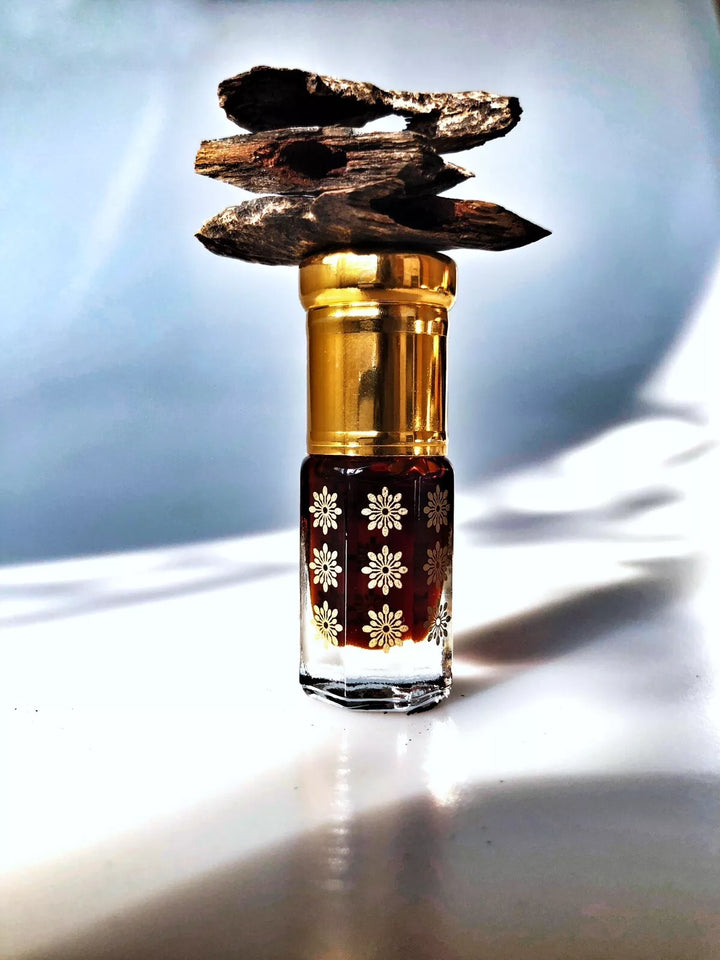
- A pure oud oil for personal ritual and special wear
This is how many of our Hamburg clients actually structure their collections. Designer handles volume; niche handles meaning.
The Price-Per-Wear Math
A 100 ml designer at 100 EUR, used 4 sprays per wear, lasts roughly 200 wears: 0.50 EUR per wear. A 30 ml niche extrait at 300 EUR, used 2 sprays per wear, lasts roughly 300 wears: 1.00 EUR per wear. The niche is double the cost, not ten times – and the experience quality is dramatically higher. We make the full argument in Why Expensive Niche Perfume is Worth Its Price.
What You Are Actually Choosing Between
At the deepest level, the designer vs niche choice is about two different relationships to the object. A designer perfume is a mass-produced consumer product. A niche extrait is, in many cases, a genuine piece of craft – composed by a named person, made from identifiable materials, numbered individually, often directly connected to a single atelier. Neither is inherently better. The question is which relationship you want.
Our Hamburg Position
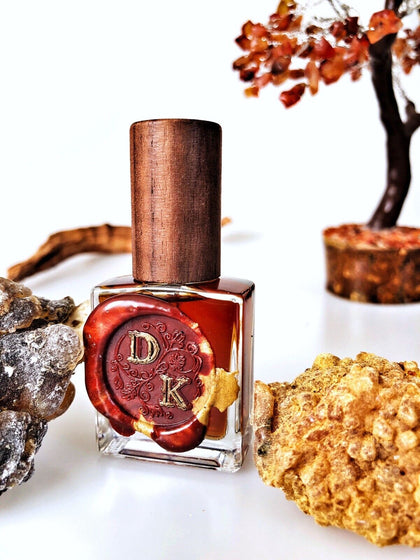
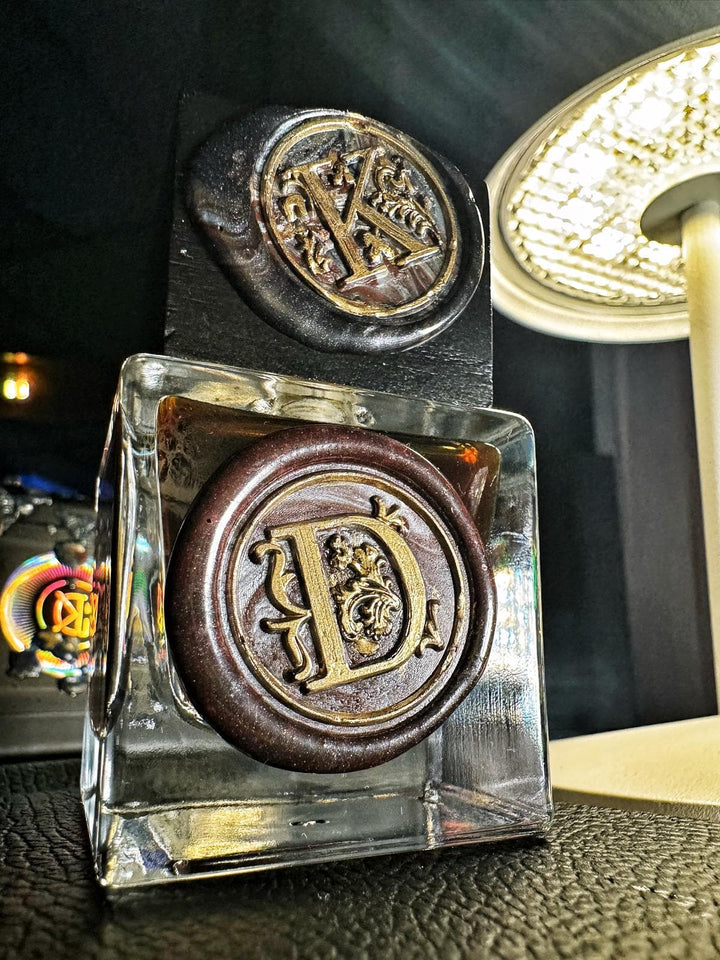
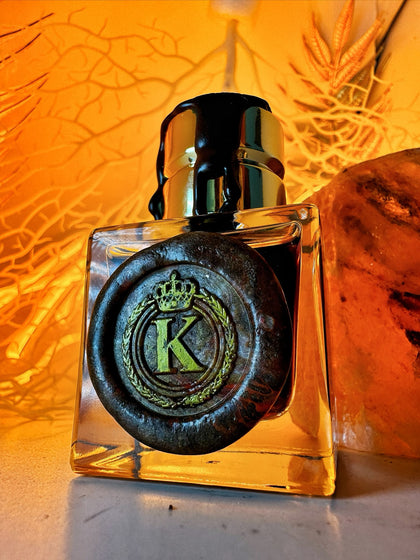
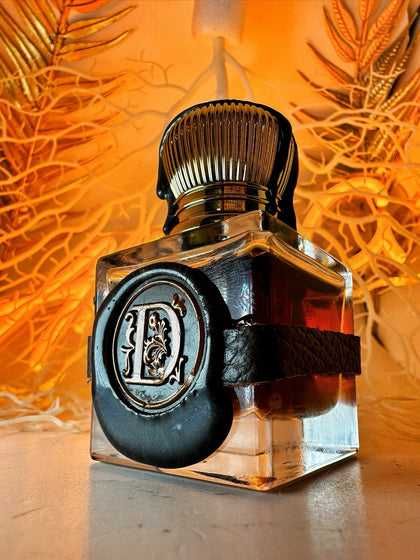
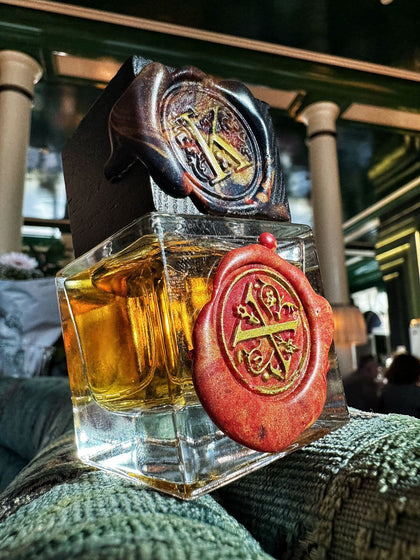
We make handcrafted, limited-edition extrait de parfum in Hamburg, Germany. Everything is composed, macerated and bottled by hand. Every bottle is numbered. We publish information about our materials openly, and we are genuinely independent. If the niche category matters to you, the kind of house we are is the kind of house you want to support. Explore our extrait collection, our pure oud oils, or read more about our philosophy.