Why Expensive Niche Perfume is Worth Its Price
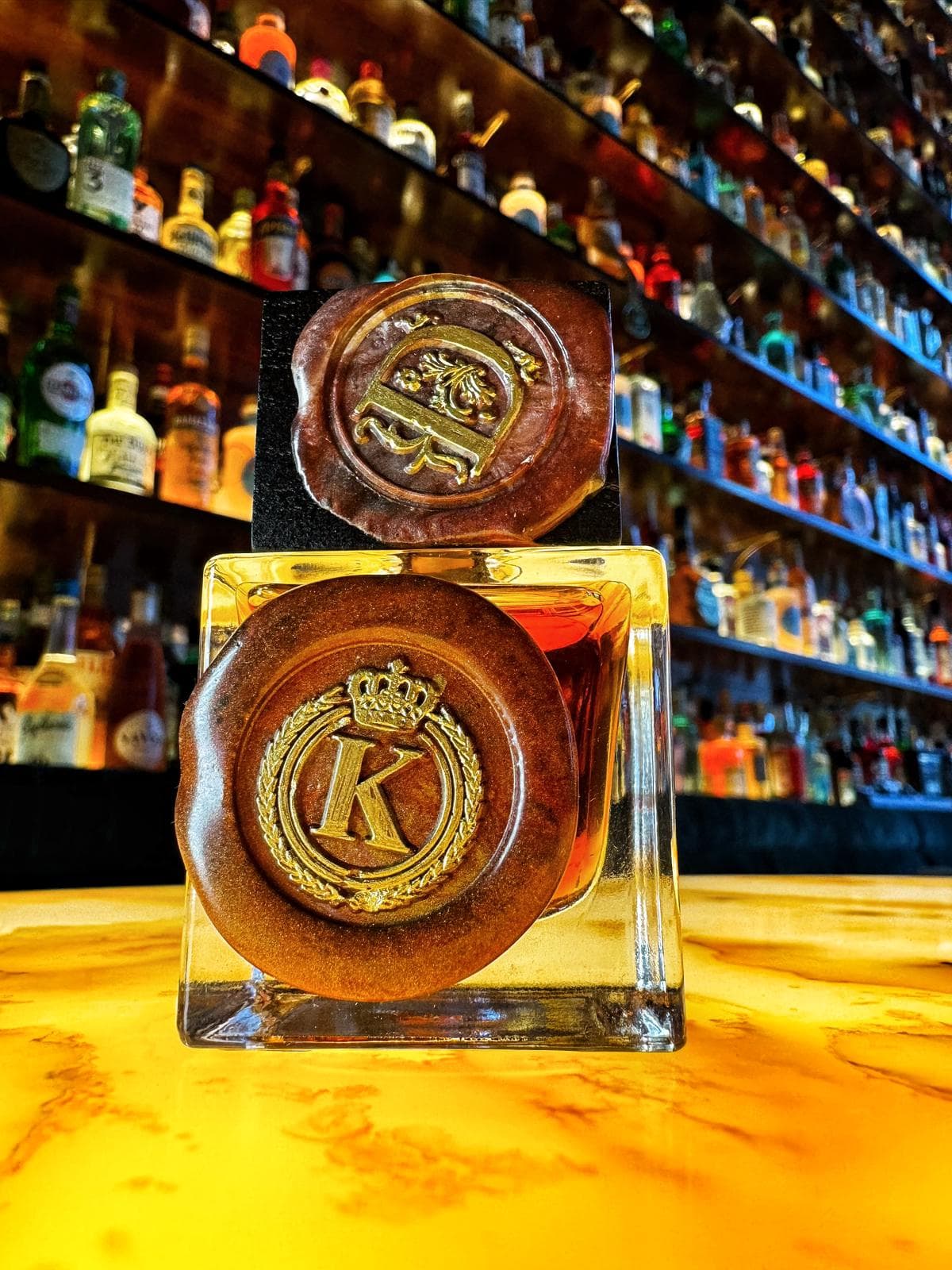
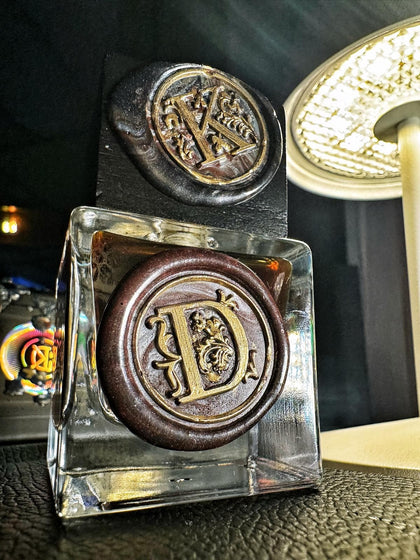
Twenty-five euros for 100 ml of designer eau de toilette. Three hundred euros for 30 ml of a niche extrait de parfum. The bottle is smaller, the price is higher – and for most people, the honest first reaction is scepticism. Is the niche bottle actually ten times better, or are you paying for packaging, marketing and scarcity? This is a fair question. It also has a real answer, and in this guide we want to lay out the case for niche perfume honestly – from inside the one place that can actually show you where the money goes: the Hamburg atelier where AttarG, founder and sole perfumer of Duftkumpels, hand-crafts every bottle himself.
The Price Breakdown of a Designer Perfume
Start with the reference point. A typical designer EdP at 100 EUR retail looks roughly like this:
- Raw materials: 3 to 8 EUR
- Bottle and packaging: 5 to 12 EUR
- Filling and logistics: 3 to 6 EUR
- Marketing and advertising: 15 to 30 EUR
- Retailer margin: 35 to 50 EUR
- Brand margin and licensing: the remainder
A designer perfume is, in other words, dominated by marketing and distribution costs. The juice itself is perhaps 5 percent of the retail price.
The Price Breakdown of a Niche Extrait
Now the same analysis for a 30 ml niche extrait at 300 EUR retail:
- Raw materials: 40 to 90 EUR
- Bottle and packaging: 8 to 20 EUR
- Filling, maceration, labour: 20 to 40 EUR
- Marketing and advertising: 10 to 30 EUR
- Retailer margin: 60 to 100 EUR
- House margin (often independent): the remainder
The raw materials are 15 to 30 percent of the retail price – five to ten times the ratio of a designer. And the materials themselves are of completely different grades.
Where the Money Actually Goes
Real Naturals
A serious niche extrait contains materials a designer composition cannot economically use. Bulgarian rose absolute runs several thousand EUR per kilogram. Aged Cambodian oud oil can reach 50,000 EUR per kilogram. Real ambergris tincture, real sandalwood, aged patchouli, Grasse jasmine absolute – every one of these is a line item that simply does not appear in a mass-market budget.
Higher-Grade Synthetics
Not everything is natural. Modern niche perfumery uses the best synthetic aromachemicals available, often from specialist manufacturers who sell only in small quantities. A premium synthetic musk might cost 800 EUR per kilogram; its mass-market equivalent 80 EUR per kilogram.
Concentration
An extrait de parfum at 30 percent contains roughly three times the aromatic material of a 10 percent EdT. On a per-millilitre basis, the raw material cost can be 10 to 20 times higher than a commercial fragrance.
Maceration and Ageing
Every Duftkumpels batch is hand-mixed and numbered by AttarG, then left to mature for four to twelve weeks before it is ever bottled. This is an opportunity cost – inventory sitting in a storeroom is not inventory being sold. Mass-market perfumes are typically bottled within days of composition.
Small-Batch Production
A batch of 500 bottles is dramatically more expensive per unit than a batch of 50,000. Every process – filling, capping, labelling, boxing – takes the same setup time but produces a hundredth of the output. Our own limited editions run smaller still: roughly 20 to 100 numbered bottles per batch, filled, capped and labelled by one person – AttarG – rather than a production line.
Independent Distribution
A niche house without enormous volume cannot negotiate the kind of wholesale pricing that designer brands obtain. This narrows the margin structure at every level.
What You Are Actually Paying For
- Better raw materials: real oud, real ambergris, real naturals
- Higher concentration: three to five times the aromatic material per millilitre
- Longer maceration: weeks or months of resting before release
- A named perfumer: every fragrance composed, filled and packaged by AttarG personally – not a corporate flavour house
- Small batches: each bottle is one of roughly 20 to 100 numbered bottles, not one of millions
- Independent ownership: the house's priorities are olfactory, not financial
- Longevity and presence: 10 to 16 hours of wear vs 4 to 8
- Complexity: compositions that evolve over a day rather than one-dimensional products
The Cost Per Wear
Here is the argument that usually settles it. A 100 ml designer EdP at 100 EUR, used at four sprays per application, gives you roughly 200 wears – or 50 cents per wear. A 30 ml niche extrait at 300 EUR, used at two sprays per application, gives you roughly 300 wears – or 1 EUR per wear.
The niche bottle is twice the cost per wear of the designer. You are paying double for an experience that lasts three times longer, smells dramatically more complex, and makes you a more interesting person to stand next to. The value calculation is less dramatic than the sticker price suggests.
When Niche Is and Is Not Worth It
Worth It
- If you care about what perfume actually is and how it is made
- If you want fragrances that last all day without reapplication
- If you want to stand out from the designer-wearing majority
- If you enjoy rituals of craft and authenticity
- If you plan to keep and re-wear a fragrance for years
Not Worth It
- If you change fragrances monthly out of boredom
- If you genuinely prefer clean, simple, well-tested designer profiles
- If you do not notice the difference on skin between materials
- If the price is financially uncomfortable – life is long, buy niche later
The Man Behind the Bottle
Duftkumpels was founded in 2024 by AttarG, who remains its only perfumer. There is no in-house team, no flavour house on retainer, no formulation department behind the name – every step of every bottle, from composition to filling to packaging, is done by him personally, in the Hamburg atelier.
The raw materials are not sourced from a supplier catalogue. AttarG travels the world personally to buy them on-site. Oud comes from Assam, Cambodia, Borneo, Thailand and Laos; the Cambodian oud specifically is bought directly from distillers. Ambergris is genuine beach-find material, sourced from New Zealand, South Africa and the Caribbean. Deer musk comes from the Himalaya, castoreum from Siberia. Some of these materials arrive in tiny amounts – sometimes just a few millilitres, after years of searching.
This is why a bottle costs what it costs. Not a marketing story layered on top of a mass-produced base, but the direct, traceable cost of one person sourcing rare materials at their origin and hand-mixing them into numbered batches of twenty to a hundred bottles.
Our Hamburg Cost Honesty
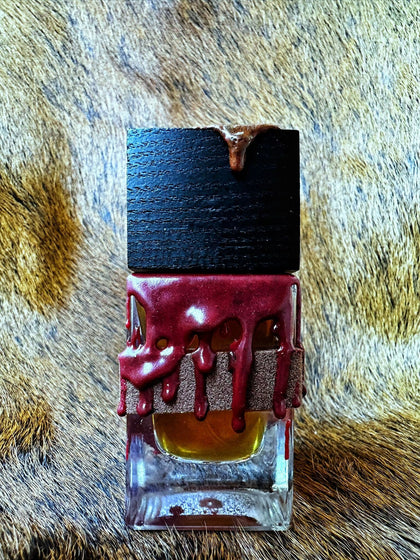
At our Hamburg atelier we try to be unusually transparent about where the money goes. A bottle of Ambra al Hambra contains real ambergris tincture, sourced the way described above. A bottle of Al Hayvaan contains aged oud and multiple natural absolutes, bought on the same on-site trips. These are not marketing claims – they are the direct, traceable reason the bottles cost what they cost.
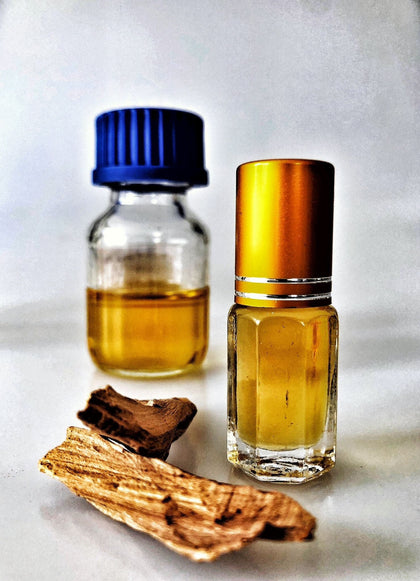
Pure oud oils like Oud Royal Thai Trat are an even more direct value proposition: you are paying for one expensive raw material, bottled minimally, with essentially no marketing premium. A 3 ml bottle represents 3 ml of real distillate from Trat, nothing more and nothing less.
How to Start Without Overpaying
If the niche price point intimidates you, start small:
- Order a 10 ml bottle rather than 30 ml
- Try our semi-bespoke sample programme
- Split a bottle with a friend
- Focus on one category (oud, amber, or leather) before exploring broadly
We would rather you buy one bottle a year and love it than buy four and feel guilty about each one.
The Long-Term Value
A well-stored extrait lasts five to ten years. Worn daily, a 30 ml bottle covers roughly a year of wear. Even at 300 EUR, that is 25 EUR per month – less than most people spend on coffee. Framed correctly, niche perfume is not expensive at all. It is one of the most affordable luxuries available to a thoughtful consumer. Browse the full extrait collection or read about how we work.