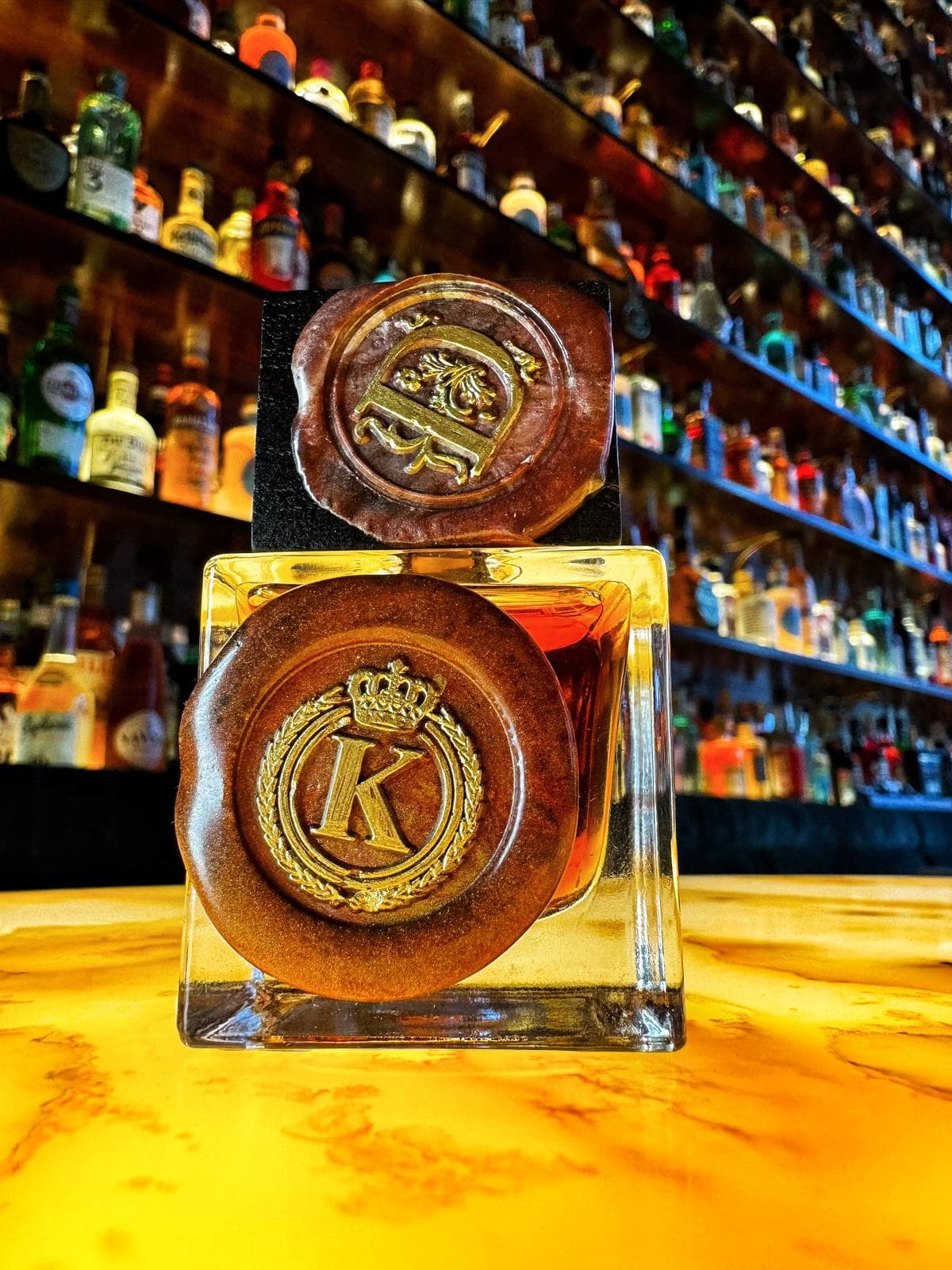
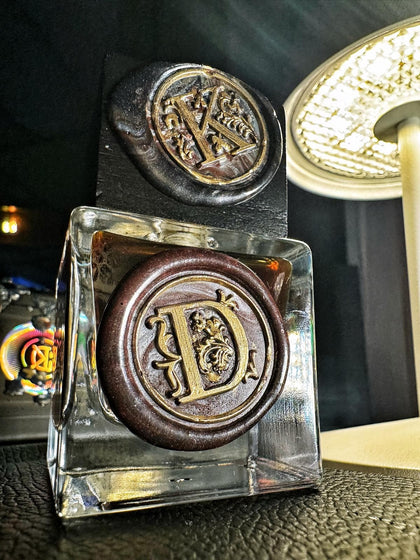
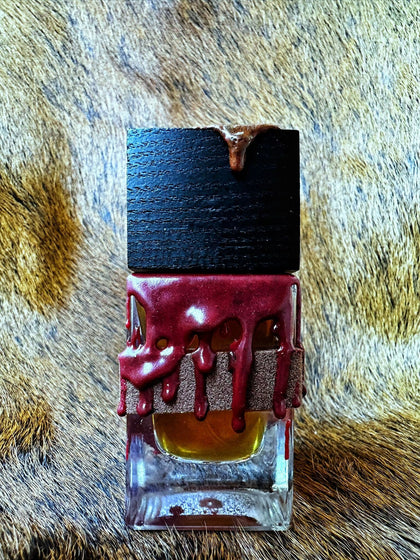
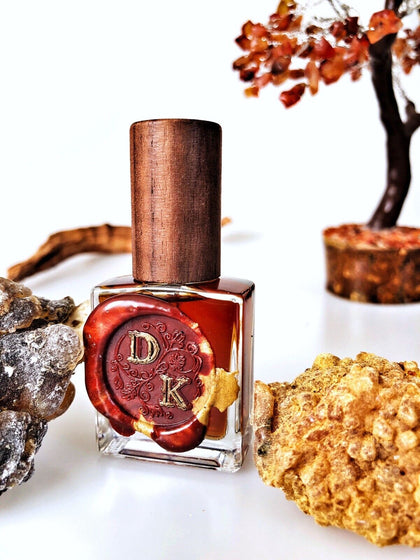
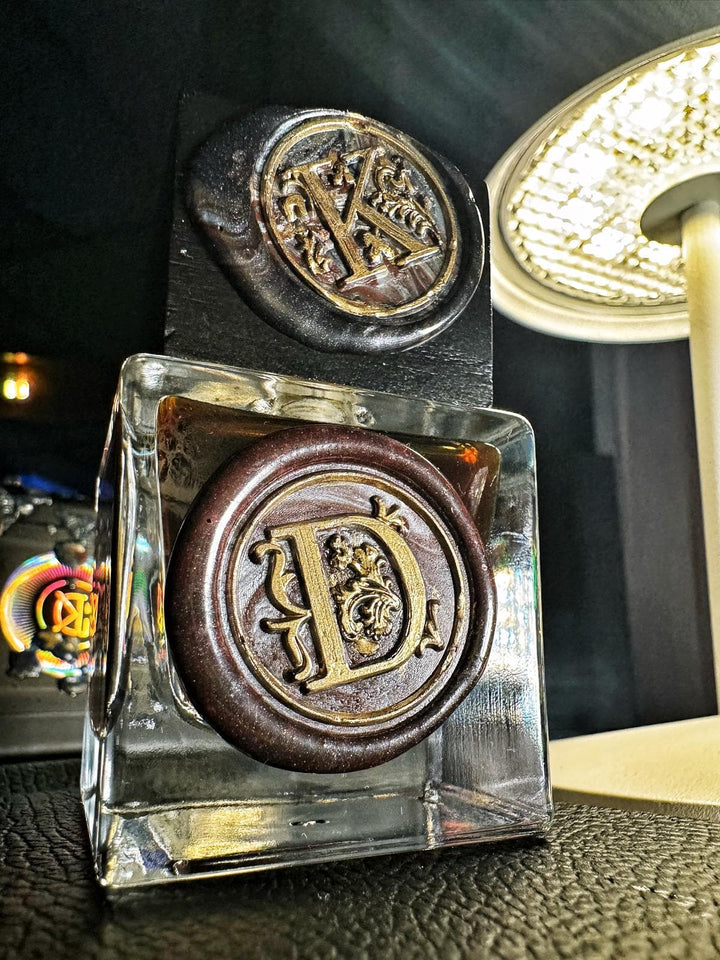
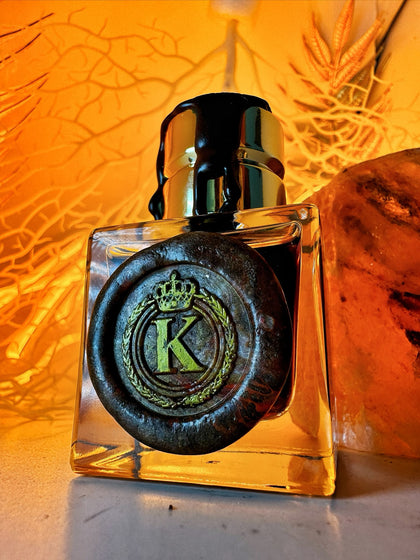
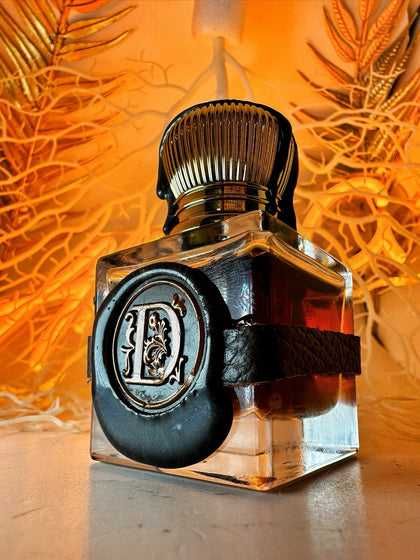
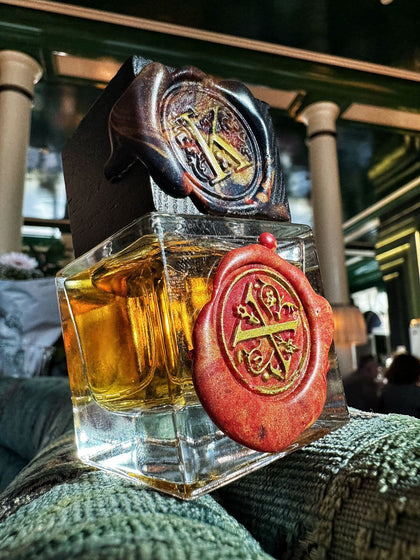
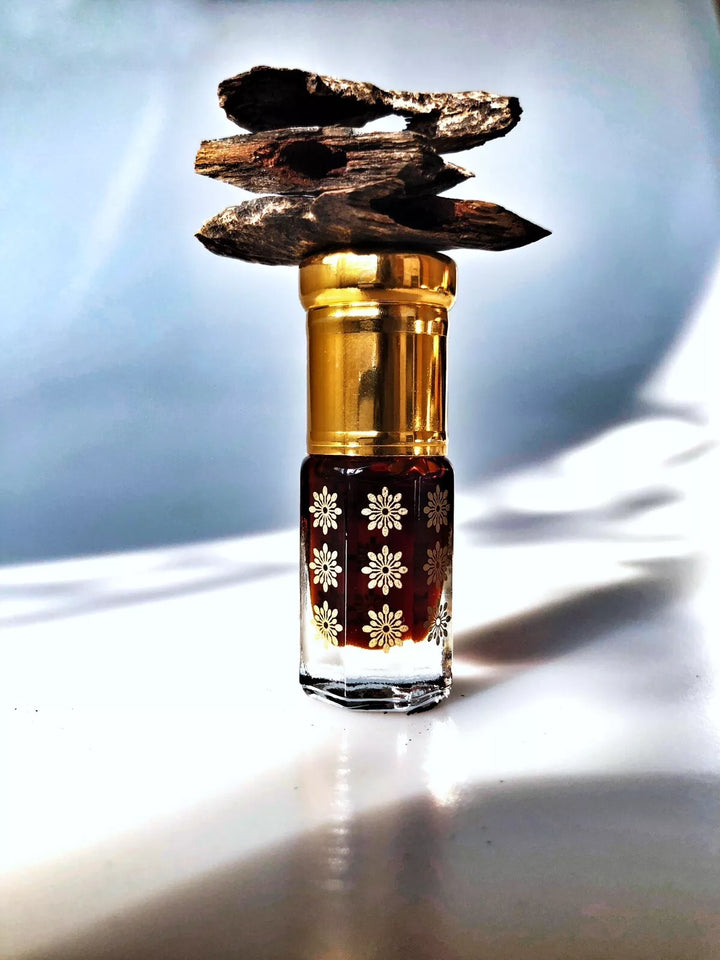
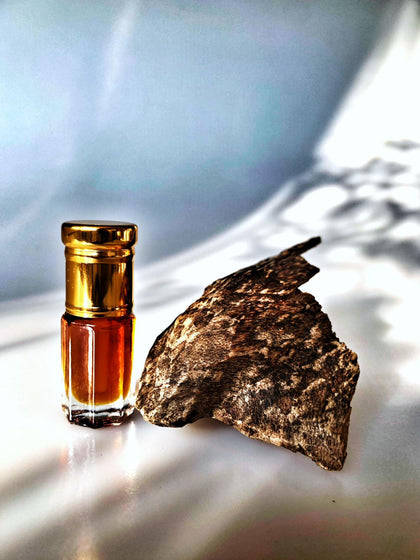
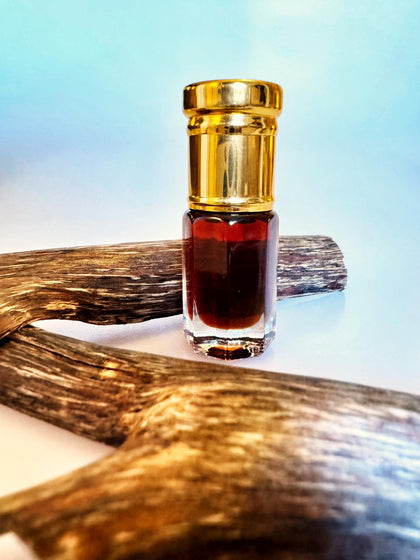
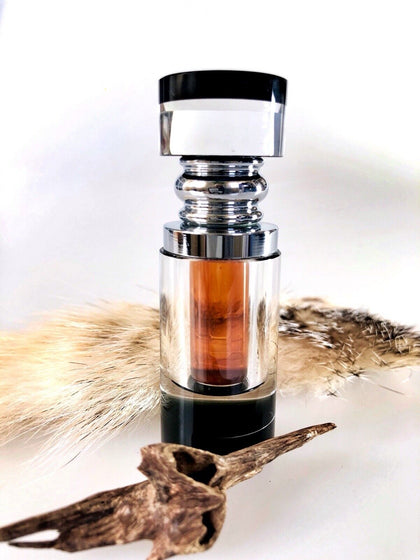
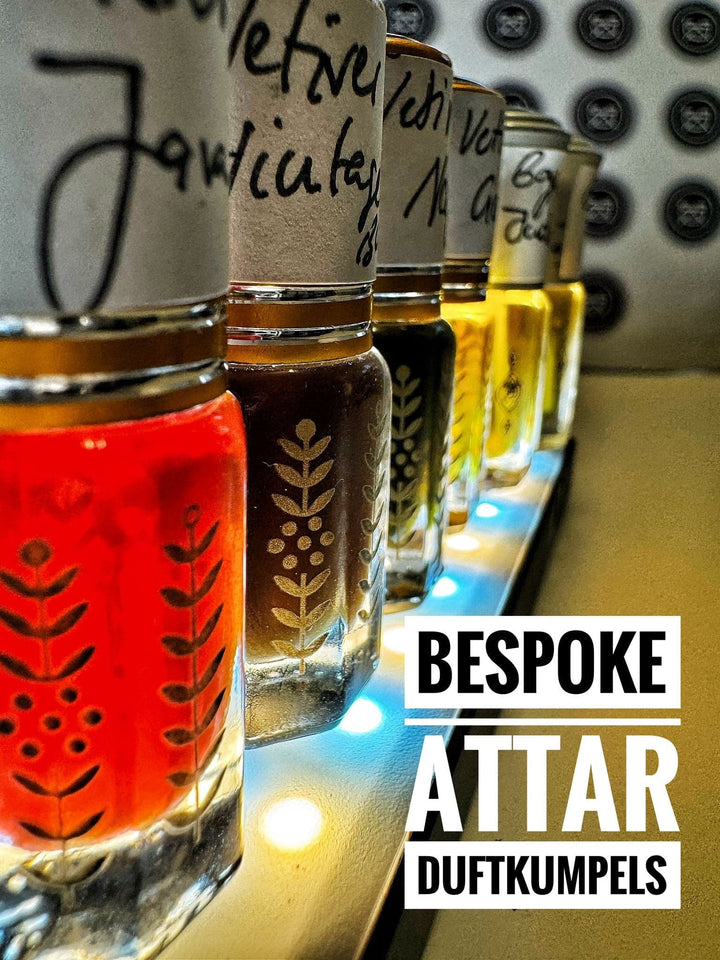
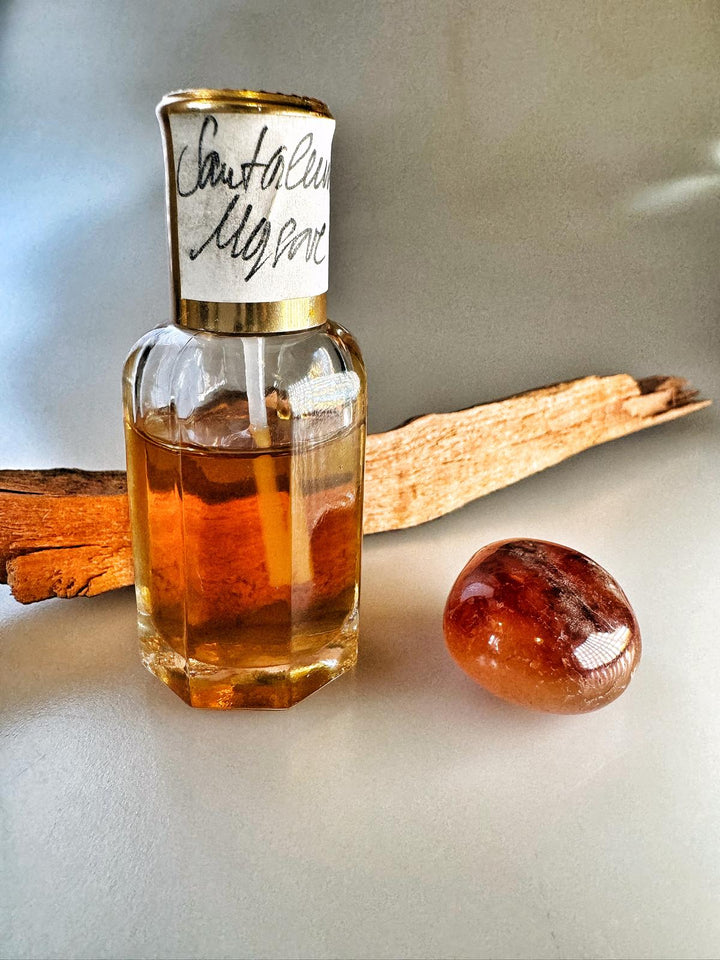
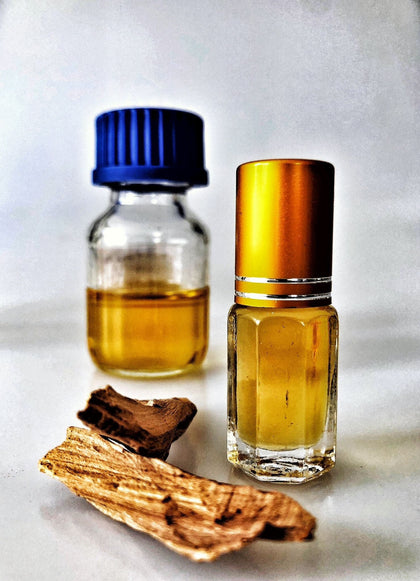
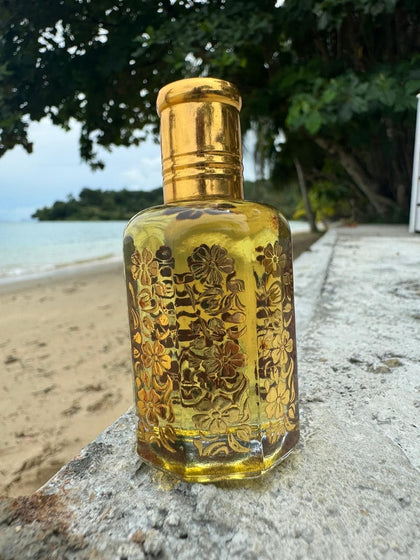

Extrait de Parfum from Hamburg – Handcrafted, Limited, Unique
For most of the last century, when people spoke about "serious" perfumery in Europe they meant Grasse, Paris, London or Milan. Germany barely featured on the map. That has changed – quietly but decisively – over the past decade, and Duftkumpels crafts extrait de parfum in Hamburg. Duftkumpels, founded in Hamburg in 2024 by perfumer AttarG, is part of this scene. In this guide we explain what makes Hamburg-made extrait distinctive, who actually makes ours, and why small-batch, single-perfumer work is worth taking seriously.
AttarG: Founder and Sole Perfumer
Duftkumpels has no product team, no outsourced filling line, and no faceless brand committee behind the bottle. Every fragrance is composed, matured, filled and packaged by one person: AttarG, founder and sole perfumer, working from his atelier in Hamburg since 2024.
AttarG does not source materials from a catalogue. He travels personally to find the rarest raw materials on-site, at the source, and brings them back to Hamburg himself. There is no team standing between the raw material and the finished bottle – only one perfumer, from first weighing to final signature on the box.
The Hamburg Atelier
Everything happens in one workshop, by one hand:
- Composition – every formula is hand-mixed by AttarG, batch by batch
- Maceration – compositions rest and mature for four to twelve weeks before bottling
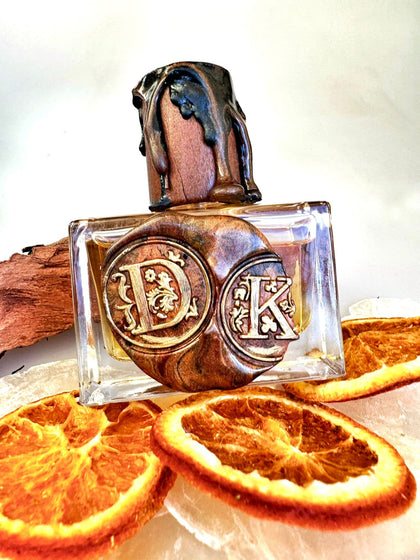
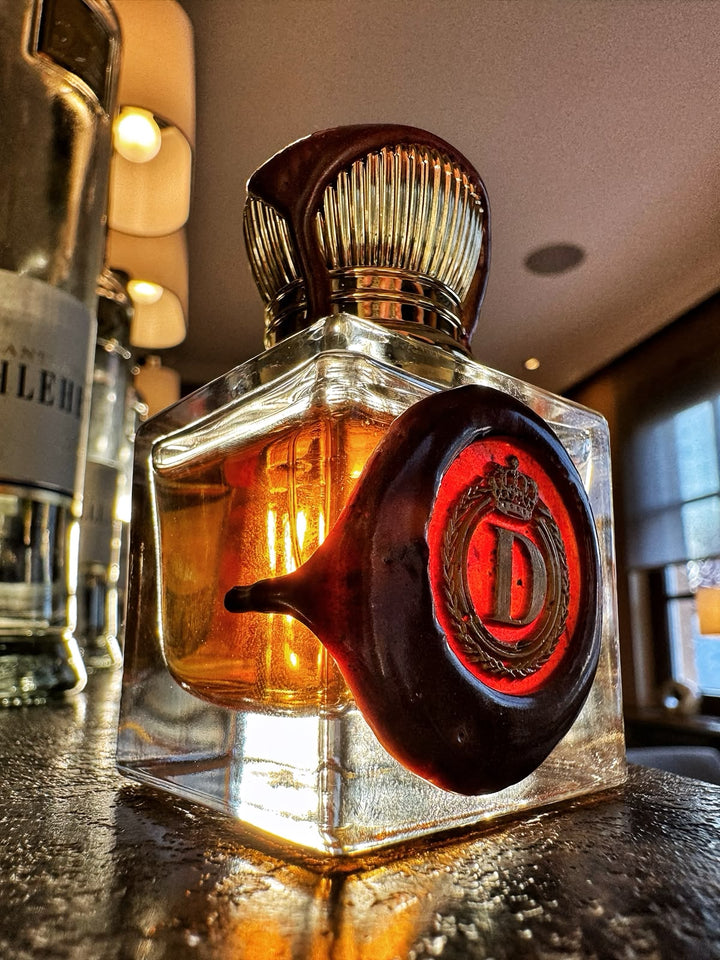
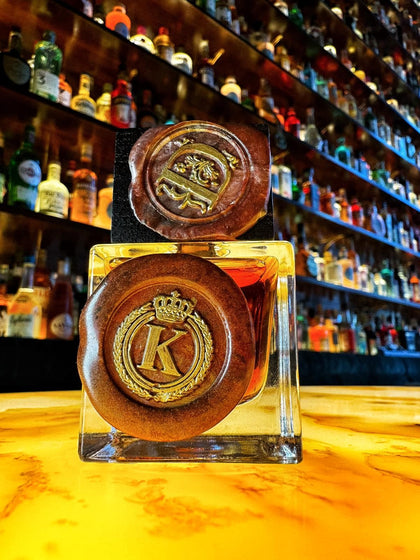
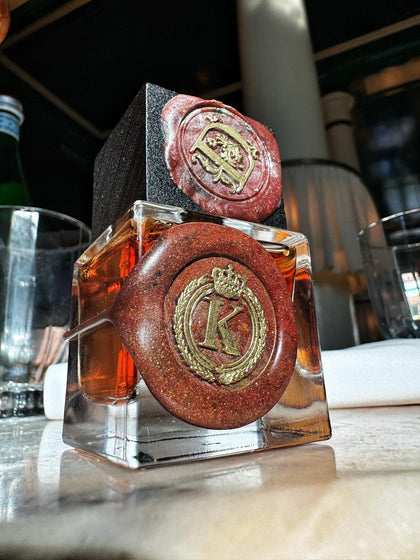
- Bottling – hand-filled and hand-numbered, no automated line
- Packaging – hand-folded boxes, signed personally by the perfumer
A typical batch produces between 20 and 100 numbered bottles. That is it. No repeat run, no mass production, no rushed releases – because one person can only make so much.
What Makes an Extrait "Hamburg Style"?
Certain tendencies define our own work closely:
- High concentration: extrait-level compositions, not diluted eau de parfum
- Natural-forward compositions: a preference for rare naturals sourced directly, not commercial aromachemical blends
- Long maceration: four to twelve weeks of rest before a single bottle is filled
- Restrained sillage: skin-first, close-to-body compositions rather than loud projection
- Transparency: published raw material origins, numbered batches, one named perfumer
Extraits like Al Hayvaan, Ambra al Hambra and Leather 4 Love are all composed by AttarG in the Hamburg style: dense, skin-first, heavy with naturals, made in numbered editions.
Our Signature Compositions
The Animalic Flagship: Al Hayvaan
A complex composition built around aged oud, amber, a refined civet accord and warm musk – rooted in the Assam oud tradition and resolved by AttarG in a modern European architecture. Ten millilitres, numbered, limited to 100 units per batch.
The Ambergris Statement: Ambra al Hambra
Genuine ambergris tincture, labdanum and tonka in a warm, luminous composition. Thirty millilitres, thicker packaging, one of the most radiant extraits in the German scene.
The Leather Opus: Leather 4 Love
A refined castoreum accord built on sandalwood. No real castor material in this particular composition; all ethically sourced. The leather note achieves couture-level depth through composition rather than raw materials.
The Gourmand Classic: Habana Cocoa
Cocoa, smoked tobacco, rum absolute and tonka. Explore Habana Cocoa for a Hamburg take on the gourmand tradition.
The Radiant Musk: Musk al Khurasan XDP
A luminous, skin-hugging musk built around synthetic macrocyclics and ambrette absolute. Musk al Khurasan is the modern answer to classical tonkin.
The Raw Materials AttarG Sources Personally
AttarG travels to the source himself for the rarest materials in each composition. Nothing is bought sight-unseen from a catalogue:
- Oud / agarwood: Assam, Cambodia, Borneo, Thailand and Laos
- Cambodian oud, specifically: bought directly from distillers
- Ambergris: genuine beach-find material, sourced from New Zealand, South Africa and the Caribbean
- Deer musk: from the Himalaya
- Castoreum: from Siberia
Some of these materials arrive in Hamburg in tiny amounts – sometimes just a few millilitres, after years of searching. That scarcity is not a marketing device; it is the reason batches are capped at 20 to 100 bottles in the first place. Every batch of every material is evaluated personally by AttarG before it goes anywhere near a formula.
Why Small Batches Matter
Commercial perfume runs are measured in tens of thousands of bottles per batch. Ours are measured in dozens. Why does this matter?
- Quality control: every batch is evaluated by AttarG himself before release. Commercial houses, with production lines and hired noses, cannot do this at scale.
- Raw material freedom: small batches let AttarG use rare materials – sometimes only a few millilitres at a time – that would never be available in commercial quantities.
- Long maceration: four to twelve weeks of rest is only possible when you are not shipping millions of units a year.
- One perfumer, one standard: nothing ships that AttarG has not personally composed, filled and signed.
Shipping and Availability
Everything is composed, bottled and shipped from AttarG's atelier in Hamburg, Germany. Made-to-order pieces are handmade and dispatched within four to six business days. Because every batch is limited to 20 to 100 numbered bottles, compositions sell out and are not reproduced identically. Read more about our craft philosophy or browse the full extrait collection.