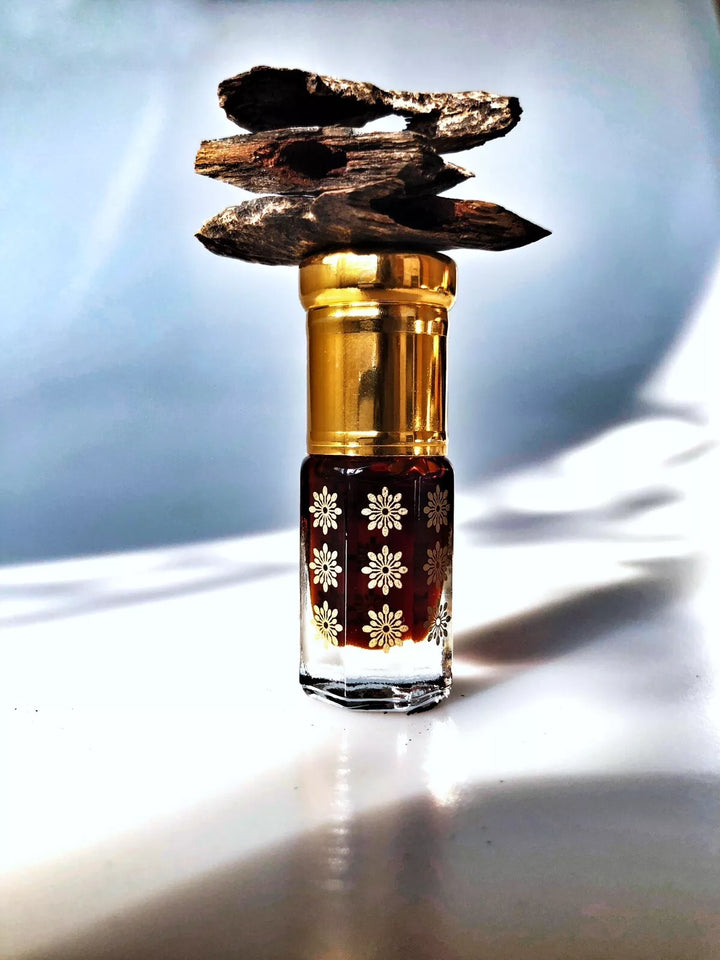
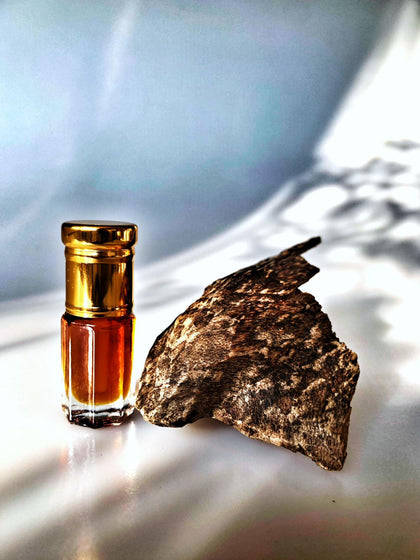


Cambodian Oud – The Sweetest Agarwood in the World
Cambodian oud – or simply "cambodi" – is, for many oud collectors, the doorway into the entire world of fine agarwood. Where Indian Assam polarises with its animalic density and Thai oud captivates with its bright resin, Cambodi delivers a unique, honey-like sweetness that seduces almost instantly. In this guide we explain why Cambodian oud has become the reference for accessible premium quality, which regions produce the best wood, and how to distinguish real cambodi from imitations.
The Cambodian Oud Story
Cambodia – particularly the provinces of Pursat, Koh Kong and Mondulkiri – has harboured wild Aquilaria crassna populations for centuries. Under natural fungal infection, this tree produces a resin whose olfactory fingerprint is fundamentally different from Indian Aquilaria malaccensis. Where Assam oud is dark, animalic and leathery, cambodi presents warm, fruity, balsamic facets.
The Cambodian distillation tradition is younger than the Indian or Arab equivalents, but over the past three decades the country has become the most important supplier to Southeast Asian and Middle Eastern markets. Today a substantial share of the world's premium oud oil originates from Cambodian plantations or managed wild sources.
Wild vs Plantation Sourcing
Wild cambodi oud – from old trees that have had decades to accumulate resin – is now extraordinarily rare. The majority of production comes from plantations where infection is induced artificially. Both quality tiers have their place, but the price gap is enormous: wild cambodi oil can cost five to ten times the price of plantation material.
The Scent Profile of Cambodian Oud
Anyone smelling genuine cambodi for the first time notices the sweet facet immediately. Where Assam oud can open with a faecal, smoky character, cambodi greets you with a honey-like warmth reminiscent of dried dates and dark fruits.
The Fragrance Pyramid
- Top: Sweet-fruity, dried dates, warm honey, a faint caramel facet
- Heart: Balsamic resins, warm vanilla, gentle smokiness, creamy wood
- Base: Deep forest notes, musk-like warmth, long-lasting sweetness with a touch of animalic depth
Why Cambodi Smells So Sweet
The chemistry of Aquilaria crassna contains higher proportions of certain sesquiterpenes and chromones responsible for the sweet, fruity character. Cambodian trees also produce less of the phenolic compounds that give Indian oud its animalic edge. The result is an oud that is immediately accessible to Western noses.
The Key Cambodian Regions
Pursat Province
Pursat is considered the heart of Cambodian oud production. Classic cambodi profiles reach their purest expression here: sweet, resinous, with a warm depth that persists for hours on skin. This is one of the two provinces where we buy our Cambodian oud directly from local distillers for our Hamburg atelier.
Koh Kong
Coastal Koh Kong produces ouds with slightly saline, mineral nuances. Proximity to the sea influences the trees and lends distilled oil a distinctive freshness alongside full sweetness.
Mondulkiri
The mountainous forests of Mondulkiri yield particularly resinous ouds. Our Oud Royal Cambodi 2009 originates from this region.
Cambodi Oud in Our Hamburg Range
In our Hamburg, Germany atelier we carry several Cambodian distillates across price and quality tiers:
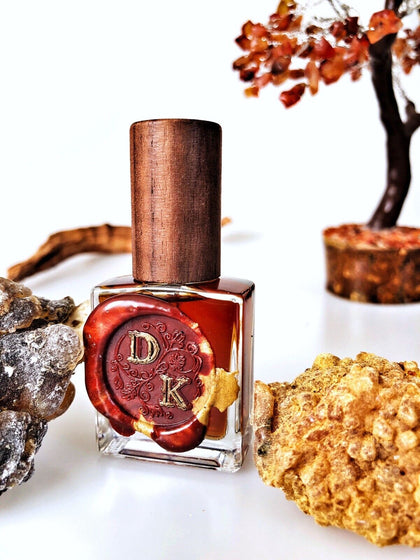
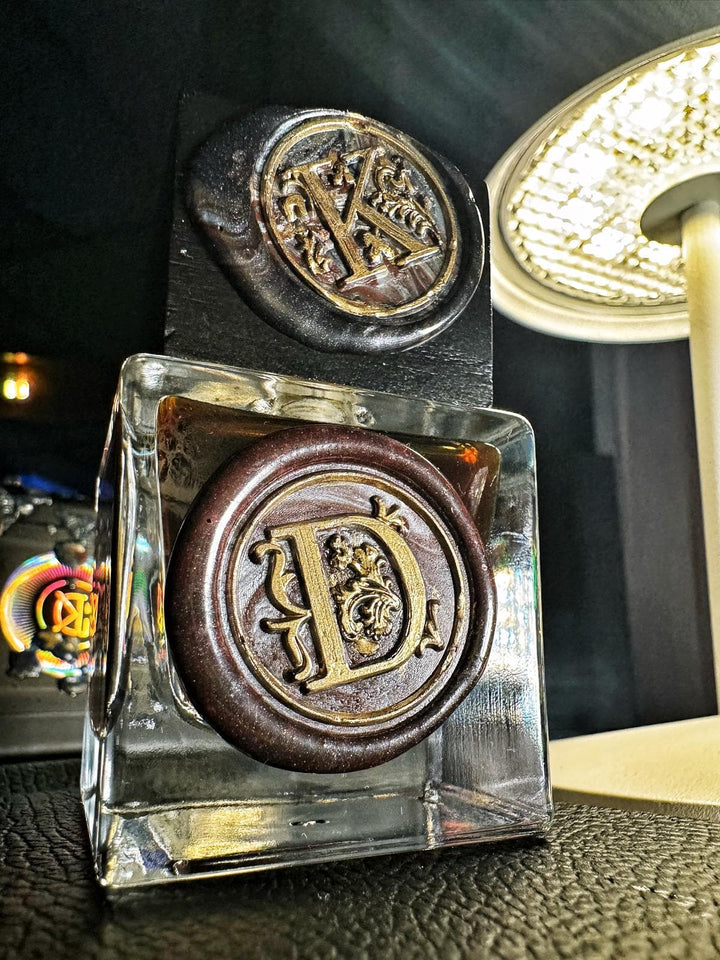
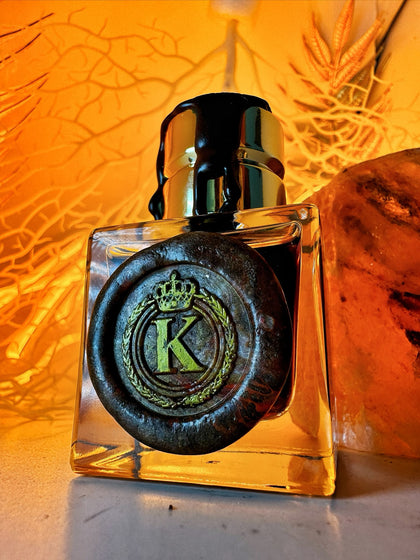
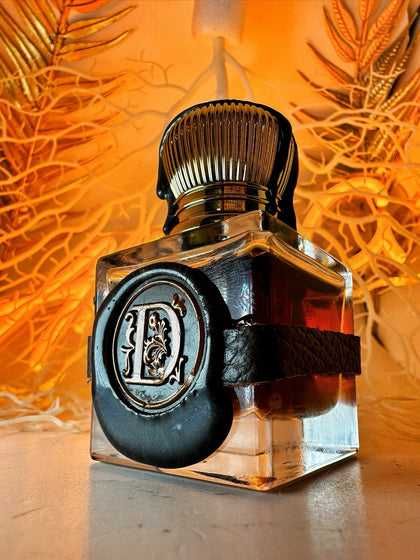
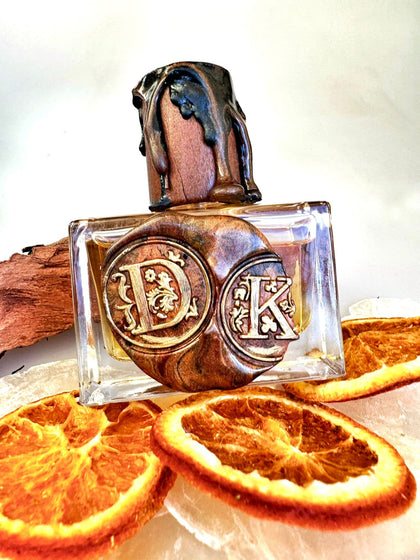
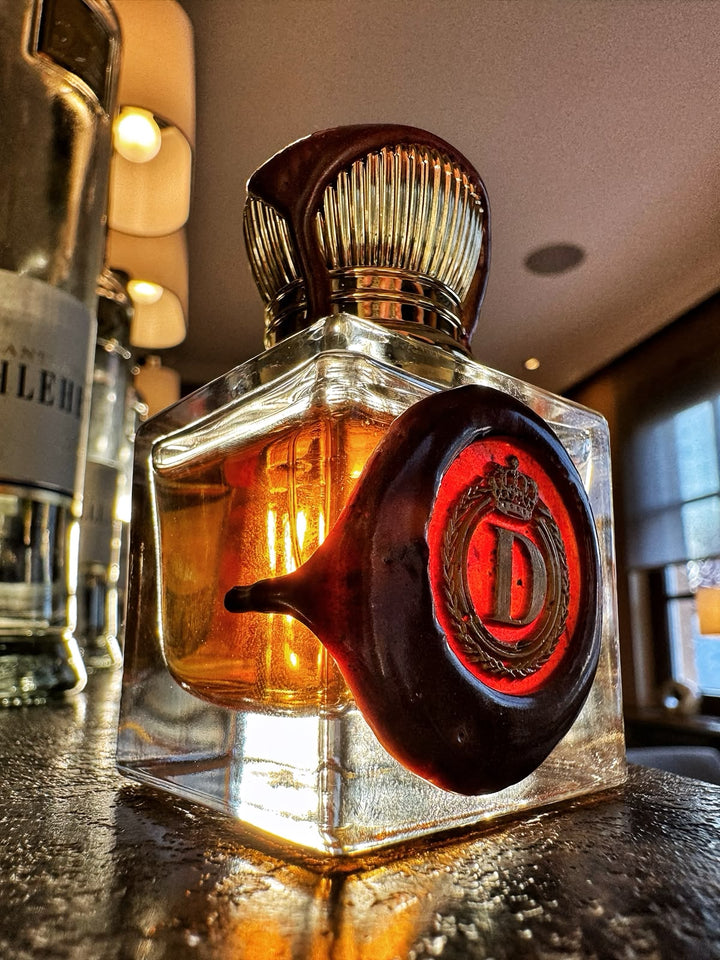
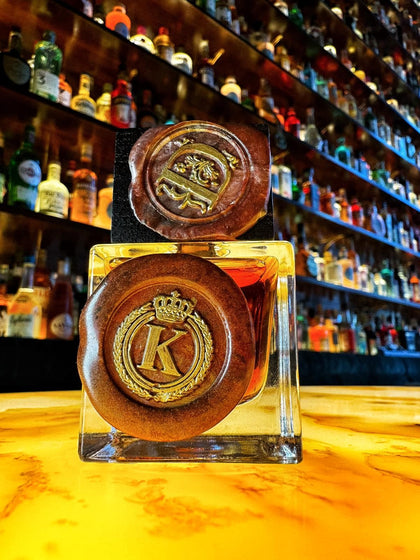
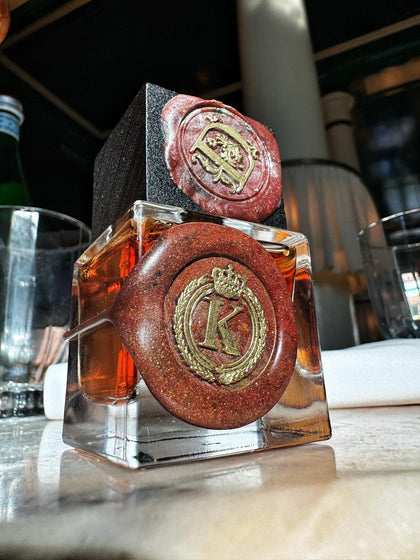
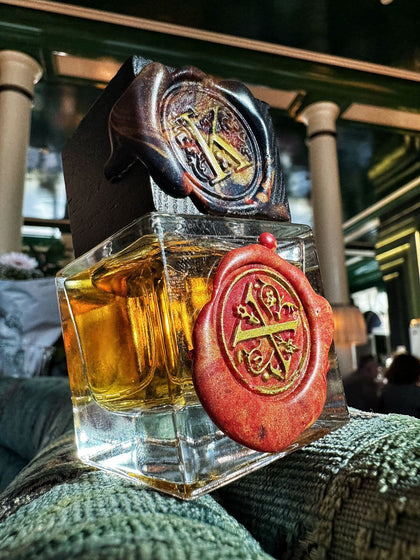
- Oud Royal Cambodi 2009: complex honey-like sweetness with balsamic depth
- Oud Sultan Suifi Cambodi: Premium selection with a particularly fruity profile
- Tonkin Sunset XDP: Cambodian oud composed as an extrait de parfum, with tonka and vanilla
How to Recognise Real Cambodi Oud
The Cambodian oud market is unfortunately flooded with imitations. Many merchants sell synthetic oud accords or cheap Indonesian oils under the "cambodi" label. The key checks:
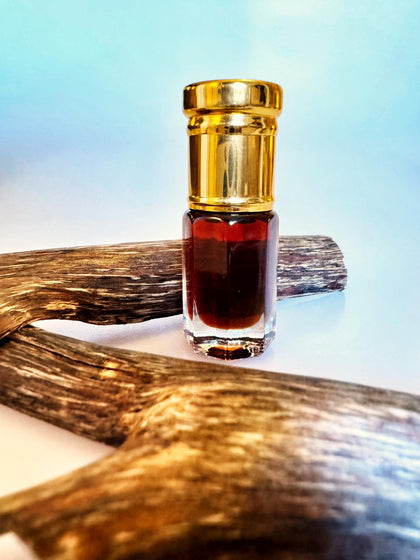
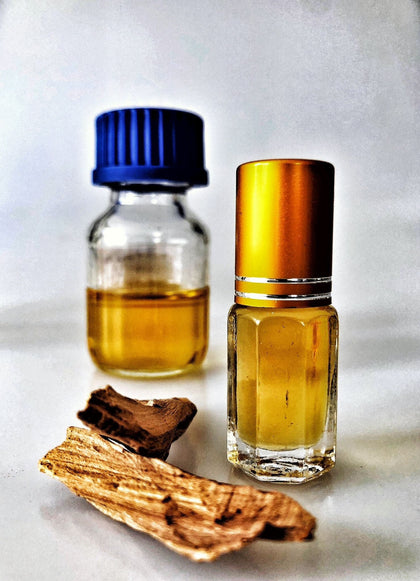
- Colour: Honey to mahogany – never water-clear, never uniformly black
- Consistency: Thick, syrupy at room temperature
- Sweetness: Real cambodi is characteristically sweet-fruity, never flat or only woody
- Development: At least 8 to 12 hours of fragrance evolution in distinct phases
- Price: Below 30 EUR per gram is unrealistic for pure cambodi oil
How to Wear Cambodi Oud
Pure Cambodian oud oil is not sprayed but applied in single drops with a glass rod. One drop on the wrist or neck delivers 12 to 16 hours of fragrance development. Wearers seeking less intensity can dilute cambodi with a neutral carrier oil such as jojoba.
For alcohol-based wear we recommend extrait compositions featuring cambodi in the base. Tonkin Sunset XDP pairs Cambodian oud with tonka and vanilla – an ideal introduction to the cambodi world.
Storage and Care
Cambodian oud is among the most stable natural materials in the perfumer's library. Stored upright in a cool, dark place, a good cambodi oil will improve for decades. The honeyed character deepens, the fruity top softens and a remarkable balsamic roundness develops over time.
Cambodi vs Other Origins
vs Thai Oud
Thai oud is brighter and more linear; cambodi is denser and sweeter. Read our Thai Oud guide for the comparison.
vs Assam Oud
Assam is dark and animalic; cambodi is golden and honeyed. Opposite ends of the oud spectrum. See our Assam Oud guide.
vs Malaysian and Borneo Oud
Malaysian and Borneo oud share some sweetness with cambodi but tend toward a more medicinal, camphoraceous character. Cambodi is the cleanest and sweetest of the Southeast Asian origins.
Our Hamburg Approach
We buy Cambodian oud directly from distillers. Every oil is evaluated in our Hamburg atelier before any quantity is committed, and finished oud compositions are handcrafted in numbered limited editions. Browse our full oud collection or read more about how we source and compose.