
Real Deer Musk – Origin, Scent and Why It's So Rare
Few ingredients in perfumery carry the mythology of real deer musk. For two thousand years it was the most valuable animal product in the global fragrance trade, traded by weight against gold along the Silk Road, reserved for emperors, sultans and the super-rich. Today, genuine deer musk is almost impossible to obtain legally – and what replaces it has quietly become one of the most sophisticated corners of modern niche perfumery. This guide tells the full story: what real deer musk is, what it smells like, why it vanished from commercial perfumery, and what serious houses in Hamburg and elsewhere use instead.
What Is Real Deer Musk?
Real deer musk – sometimes called "tonkin musk" after the Tonkin region of northern Vietnam – is a secretion from the musk pod of the male musk deer (genus Moschus). The musk deer is a small, solitary ungulate native to the high mountains of the Himalayas, Siberia and parts of China. Beneath the belly of the male, a walnut-sized gland produces a dark, waxy substance with an extraordinarily complex, penetrating aroma.
Historically, obtaining musk meant killing the animal. A single pod yielded around 25 grams of raw musk, dried to roughly 10 grams of usable material. Because of this, musk deer populations collapsed across their entire range during the twentieth century. All five species are now listed under CITES, and the international trade in wild musk is effectively banned.
What It Actually Smells Like
People who have smelled real tonkin musk describe it as unlike anything else in perfumery. The aroma is:
- Animalic but not unpleasant: warm, skin-like, almost urinous at high concentration, deeply sensual when diluted
- Powdery and slightly sweet: with a distinct fruity undertone, sometimes compared to overripe fig
- Incredibly long-lasting: a single micro-drop on fabric can still be detected months later
- A "radiance amplifier": even in tiny amounts, it makes every other note in a composition project further and last longer
It is this last property that made musk indispensable for classical perfumery. Musk was not just a note – it was the glue that held the whole composition together.
Why Real Deer Musk Disappeared from Perfumery
Conservation and CITES
By the 1970s, musk deer populations had crashed. All species of Moschus are now listed under CITES Appendix I or II, and the EU has added further restrictions. For a German niche perfumer, working with wild tonkin musk is effectively impossible today – not because the material is unobtainable on grey markets, but because it is neither ethical nor legal.
Synthetic Revolution
Starting in the late nineteenth century, chemists began synthesising musk-like molecules. First came the nitro musks (now largely banned for toxicity), then the polycyclic musks, and finally the macrocyclic musks, which mimic the structure of natural muscone almost perfectly. Modern macrocyclics – Muscone, Ambrettolide, Exaltolide, Habanolide – are the backbone of virtually every musk accord on the market today.
Sustainable Farmed Musk
A small amount of musk is now produced from farmed deer in China and Russia, where the pod can be extracted without killing the animal. This material is expensive, tightly regulated and almost never reaches European perfumers. When a house claims "real musk" in 2026, this is usually what they mean – if they can produce paperwork.
The Modern Musk Palette
What a contemporary niche perfumer in Hamburg, Germany actually uses when they say "musk" is a carefully built accord that can include:
- Macrocyclic synthetics for the core warmth and longevity
- Ambrette seed absolute – the most musk-like natural available, from the Hibiscus abelmoschus plant
- Ambergris tincture for animalic depth and radiance
- Hyraceum (Africa stone) for urinous, leathery undertones – an ethical, naturally fossilised alternative
- Civet substitutes and castoreum accords for the feral facet
Built correctly, this palette produces a musk accord that is richer, more stable and arguably more beautiful than the single-source tonkin of the past.
Musk in Our Hamburg Compositions
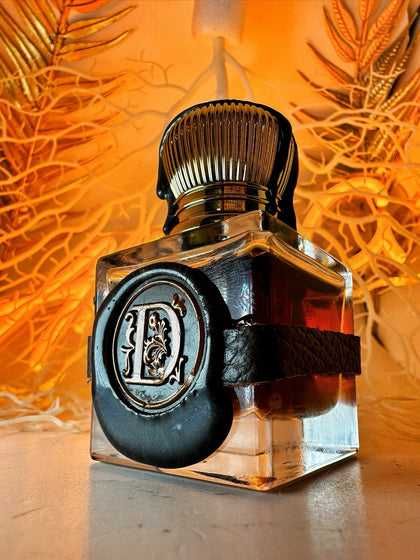
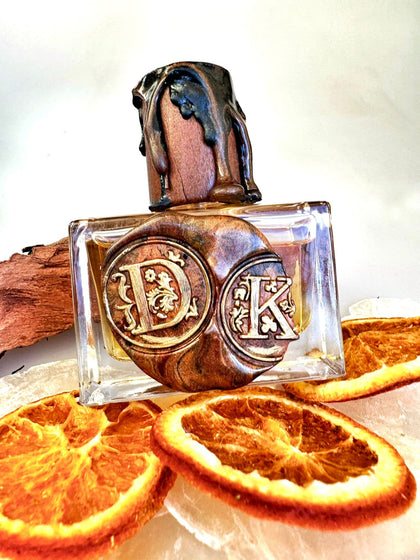
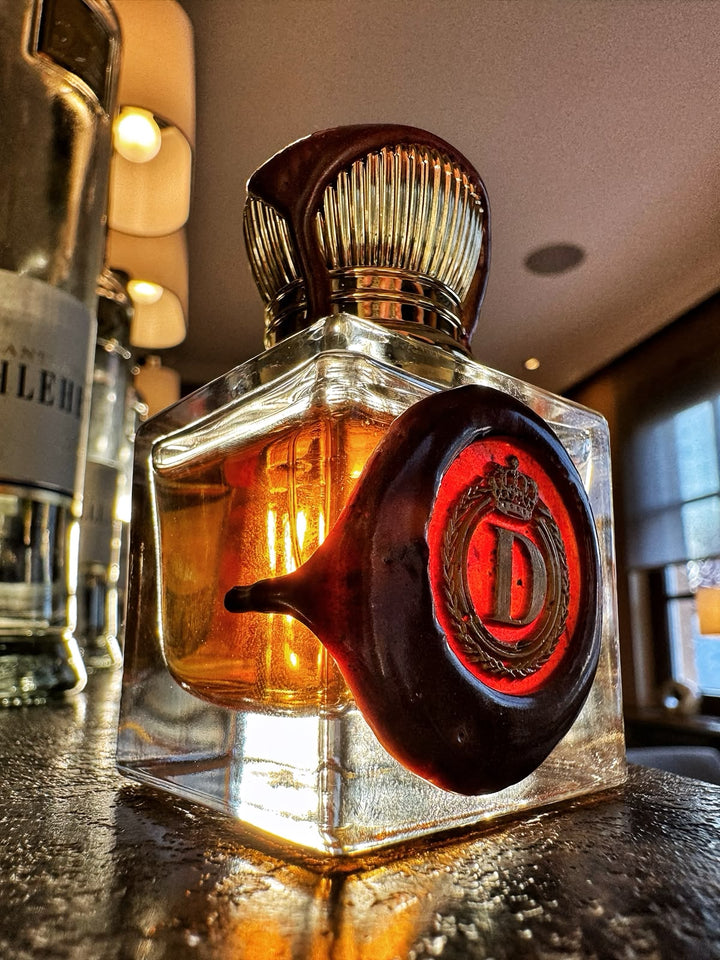
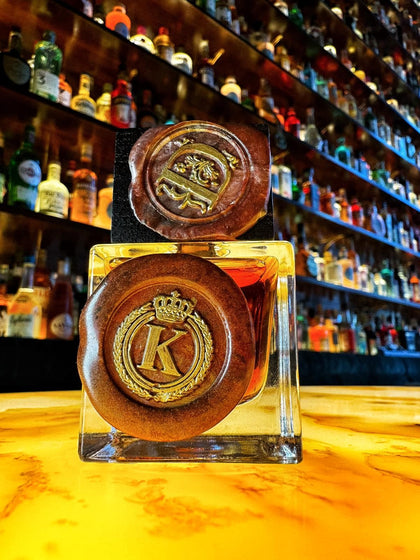
Several of our own extraits showcase the modern musk palette at full strength. Al Hayvaan builds a tonkin-style musk around aged oud, amber and a civet accord – the closest we can legally come to the animalic perfumery of the nineteenth century. Musk al Khurasan XDP takes the opposite approach: a luminous, skin-hugging musk with zero aggression, wearable in any setting. Both are produced in limited editions in our Hamburg atelier.
Musk and Oud Together
Real deer musk was historically used to "lift" heavy oud compositions. In our Oud Royal Cambodi 2009, a micro-dose of Ambrettolide and ambrette absolute performs the same function, pulling the honey of Cambodian agarwood upward and outward. That agarwood itself is sourced with the same rigor we apply to musk: bought directly from distillers.
How to Recognise Quality Musk in a Fragrance
When you smell a well-built musk accord, you should notice:
- Depth, not just sweetness: Cheap laundry musk is flat and clean. Quality musk has warmth and shadow.
- Movement: The note should evolve over hours, not stay static.
- A skin-like quality: The perfume should smell like an intensified version of the wearer, not a separate layer sitting on top.
- Long dry-down on fabric: Spray a scarf and check it three days later. Real musk stays.
The Ethics of Musk in 2026
At our Hamburg atelier, AttarG works with real deer musk from the Himalaya, real castoreum from Siberia, and genuine beach-find ambergris from New Zealand, South Africa and the Caribbean. We use real, verified deer musk, and we are transparent about its origin. The result is not a compromise – it is the current state of the art in niche perfumery. The classical tonkin accord of the 1920s is gone, but what we have now is cleaner, more consistent, and infinitely more ethical. Read more about our approach to ingredients.