


Castoreum in Perfumery – The Haute Couture Leather Note
Of the three great animalic materials in classical perfumery – musk, civet and castoreum – castoreum is the one that never quite went out of fashion. It is the source of every serious leather note in Western perfumery, the secret behind the great chypres of the twentieth century, and still, in 2026, an indispensable part of the haute couture perfumer's palette. This guide explains what castoreum actually is, how modern perfumers work with it, and why our Hamburg atelier built an entire extrait around it.
What Is Castoreum?
Castoreum is a secretion from the castor sacs of the North American and European beaver (Castor canadensis and Castor fiber). The beaver uses the material to scent-mark its territory and to waterproof its fur. Historically, the castor sacs were harvested after the animal was killed for its pelt, which made castoreum a natural by-product of the fur trade.
In raw form, castoreum smells powerfully animalic – faecal, leathery, slightly smoky, with a sweet vanillic undertone. Diluted into a tincture and aged, it becomes one of the most beautiful materials in perfumery: a warm, radiant leather note with remarkable depth and complexity.
The Chemistry of Castoreum
Castoreum contains over fifty identified compounds, including castoramine, salicin, catechol and various phenolic materials. The leather-like facet comes from specific phenols; the vanillic sweetness from related catechols; the animalic depth from a complex mixture of macrocyclic and aromatic molecules. This chemical complexity is exactly what makes castoreum so difficult to replace with a single synthetic.
The Ethics of Castoreum in 2026
This is where modern niche perfumery has to be honest. Three categories of castoreum exist on the market today:
- Traditional castoreum: Harvested as a fur-trade by-product, primarily from regulated North American beaver populations. Legal, but ethically complex.
- Synthetic castoreum accords: Built from Castoreum Norlimbanol, Timberol, various leather aromachemicals, birch tar and labdanum. No animal source; the workhorse of modern perfumery.
- Plant-based castoreum replacements: Tinctures of birch tar, cistus labdanum and styrax combined to reproduce the animalic-leather profile without any animal material.
At our Hamburg atelier, we use option two and three exclusively. Our leather accords are built from synthetic castoreum materials and plant-based tinctures, which produce a cleaner, more stable and fully ethical leather note without compromising the signature.
What a Castoreum Accord Smells Like
- Leather: Dry, warm, slightly smoky – old library chairs, a new leather jacket, saddle soap
- Animalic warmth: A skin-like radiance that reads as sensual rather than dirty
- Vanilla and birch: A sweet balsamic undertone that prevents the leather from going too dark
- Smoke and tar: A whisper of campfire and pine that anchors the composition
Castoreum in Our Hamburg Range
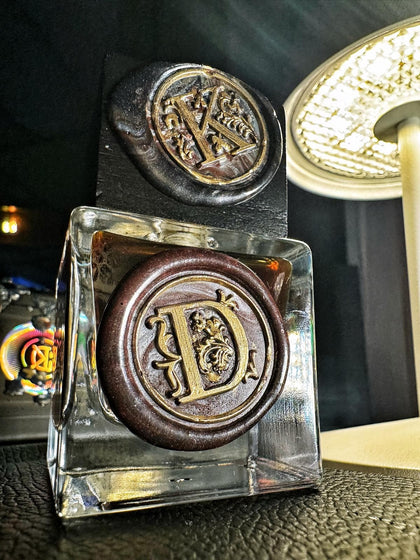
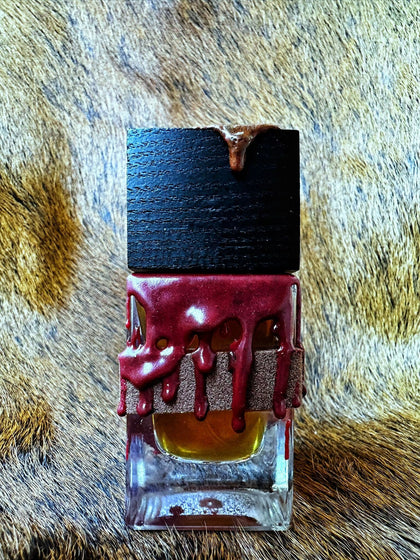
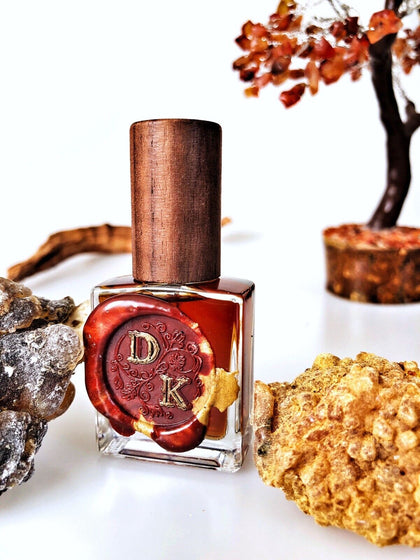
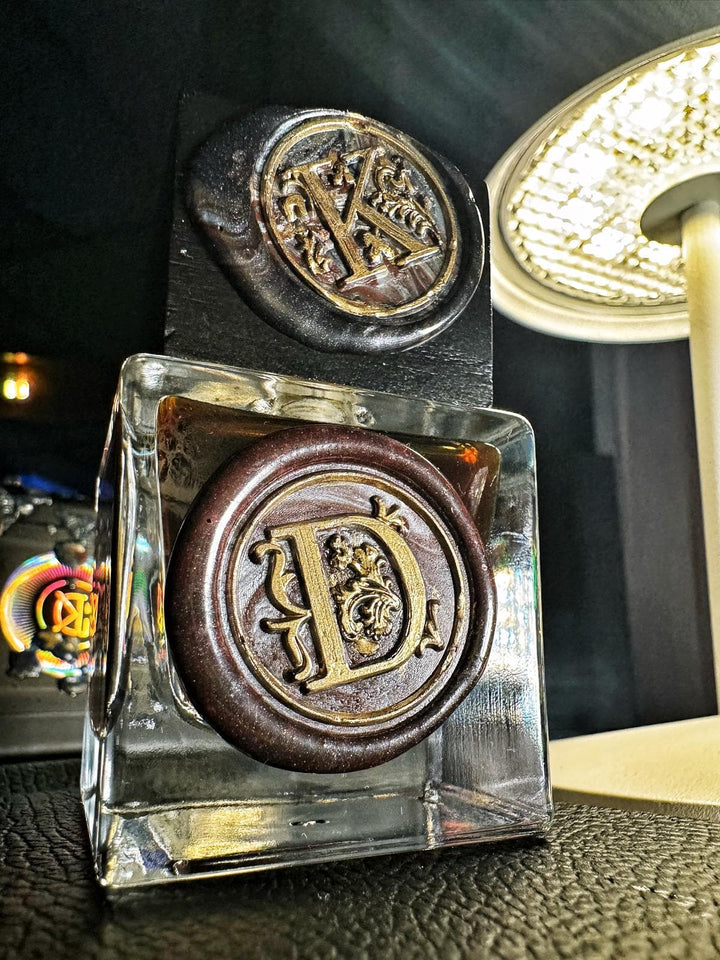
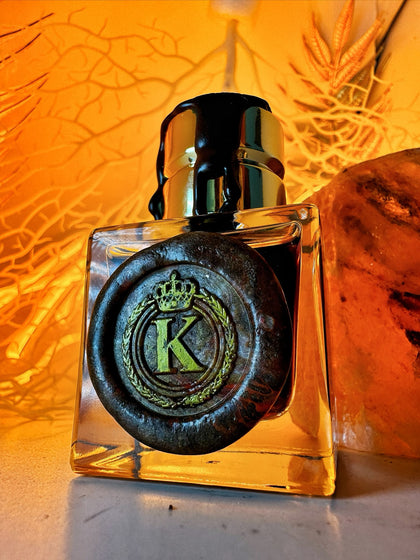
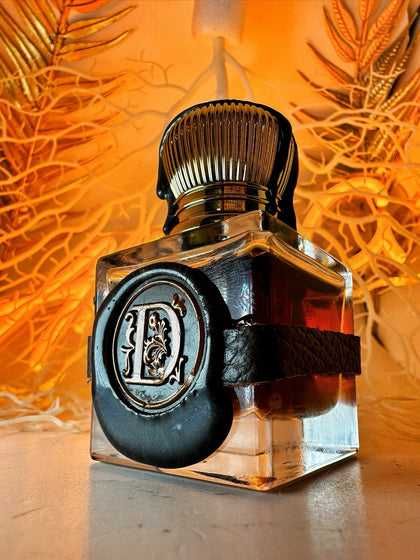
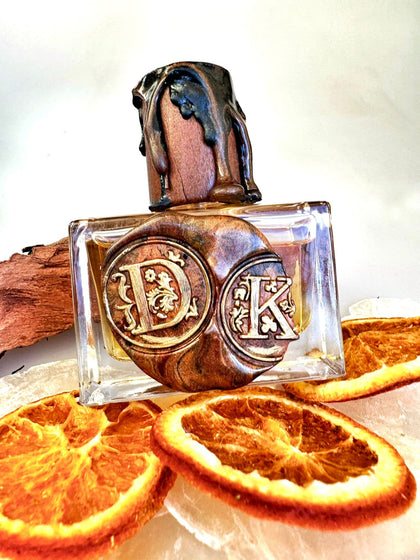
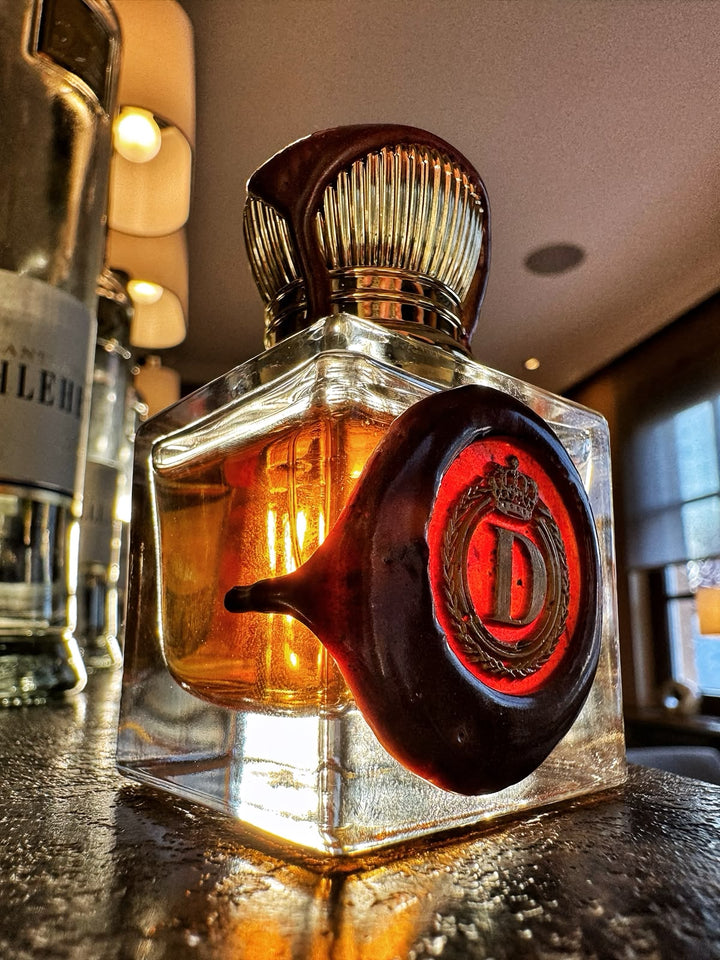
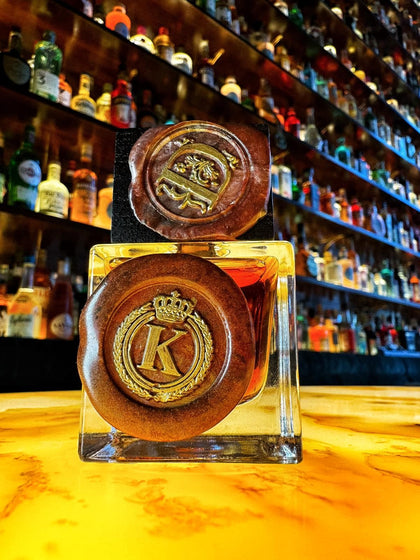
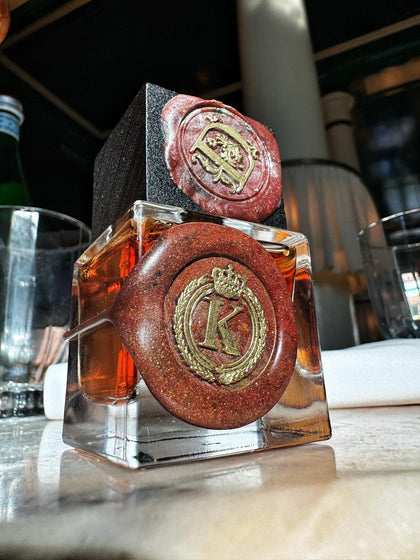
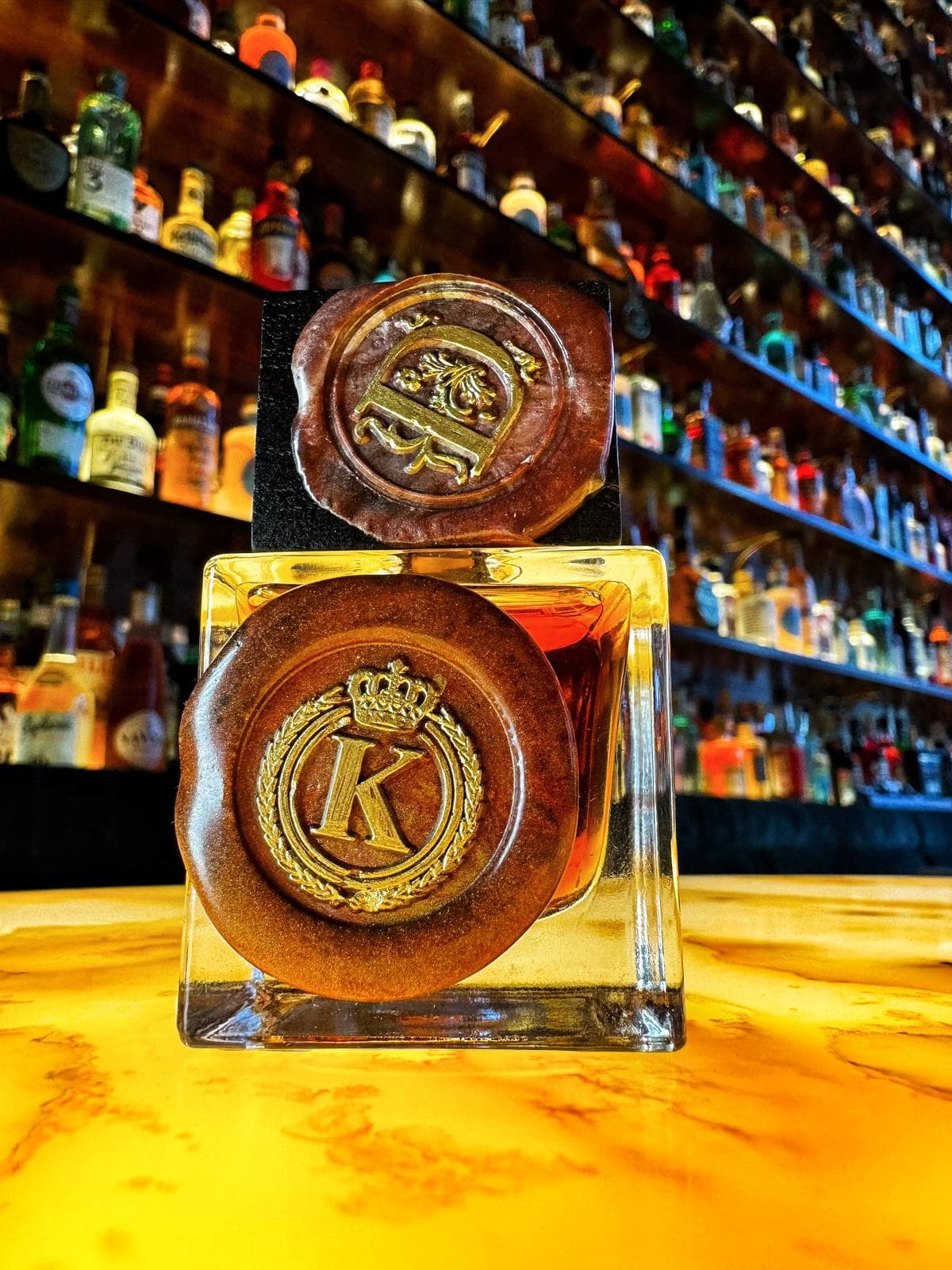
Our flagship castoreum composition is Leather 4 Love, an extrait de parfum built around a refined castoreum accord, Mysore-style sandalwood and birch tar. The composition is warm, slightly smoky, unmistakably masculine without aggression – the kind of fragrance that smells expensive to everyone within three feet and does not demand attention beyond that radius.
Castoreum accords also anchor Al Hayvaan and appear in micro-quantities throughout our range, providing the warm leather undertone that makes an extrait feel "finished".
Castoreum in the History of Perfumery
The Golden Age of Chypre
Every great chypre of the twentieth century – Mitsouko, Crepe de Chine, Bandit, Cabochard – owed its depth to castoreum. The combination of oakmoss, labdanum and castoreum produced the "mossy-leather" signature that defined the genre.
The Leather Family
Cuir de Russie by Chanel, Knize Ten, Cuir Mauresque by Serge Lutens – these are the canonical leathers of modern perfumery, and all of them draw on either real or synthetic castoreum.
Contemporary Niche
Contemporary niche perfumers have revived the leather-castoreum tradition with ethical sourcing and modern aromachemistry. The result is arguably a golden age for serious leather compositions – more options, higher quality, cleaner conscience.
How to Wear a Castoreum-Heavy Fragrance
Castoreum compositions are not summer fragrances. They come into their own in autumn and winter, on wool and cashmere, worn at moderate concentration. Our suggestions:
- Application: One spray to the chest or lapel – never more. Castoreum amplifies over hours.
- Pairing: Excellent with smoky whisky, leather furniture, wool suits. Less ideal with light summer clothing.
- Office use: Perfectly appropriate at the extrait level. One spray is professional; three is not.
Layering Castoreum with Oud
For advanced collectors: layering a drop of pure oud under a castoreum extrait produces one of the most sophisticated combinations in perfumery. Try a micro-dose of Oud Royal Thai Trat under Leather 4 Love. The result is closer to haute couture than anything you will find on a department store shelf.
Castoreum and Climate
Warm skin amplifies castoreum beautifully. In cold weather, a castoreum fragrance reads as restrained and elegant; in summer heat, it can become overwhelming. For year-round wear, a lighter castoreum accord is often preferable to a dense leather extrait – which is exactly how we dose it in fragrances like Tonkin Sunset XDP.
Our Philosophy on Leather Notes
In our Hamburg, Germany atelier, every leather accord is built from scratch using modern synthetic castoreum molecules, plant tinctures and careful balance work. No real castoreum, no shortcuts. The result is a leather note that stands next to the great twentieth-century classics without the ethical baggage – handcrafted, in limited editions, with the kind of depth that only slow maceration and patient composition can produce. Explore the full range on our extrait collection page.


