

Buy Real Oud in Germany – The Complete Guide 2026
Buying real oud in Germany has become surprisingly difficult - and at the same time, surprisingly easy. Difficult, because the market is flooded with synthetic imitations, diluted oils and mislabelled products. Easy, because a handful of specialists in Germany now import directly from Cambodia, Thailand and Assam, bypassing the middlemen who have long controlled the European oud trade. If you want to buy authentic agarwood oil in 2026 - whether as pure dehn al oud, as an extrait de parfum composition or as a gift for a connoisseur - this guide will show you exactly what to look for, where to find it and what to pay.
Why Germany Has Become a Serious Oud Market
For most of the twentieth century, oud was a secret reserved for the Gulf states and a tiny circle of French perfumers. That has changed. Since the mid-2010s, Germany - and Hamburg in particular - has quietly built itself into one of the most serious oud markets in Europe. Hamburg's historical role as a trading port, its density of independent perfumers and a new generation of collectors have combined to create a demand for honest, traceable agarwood oil that simply did not exist ten years ago.
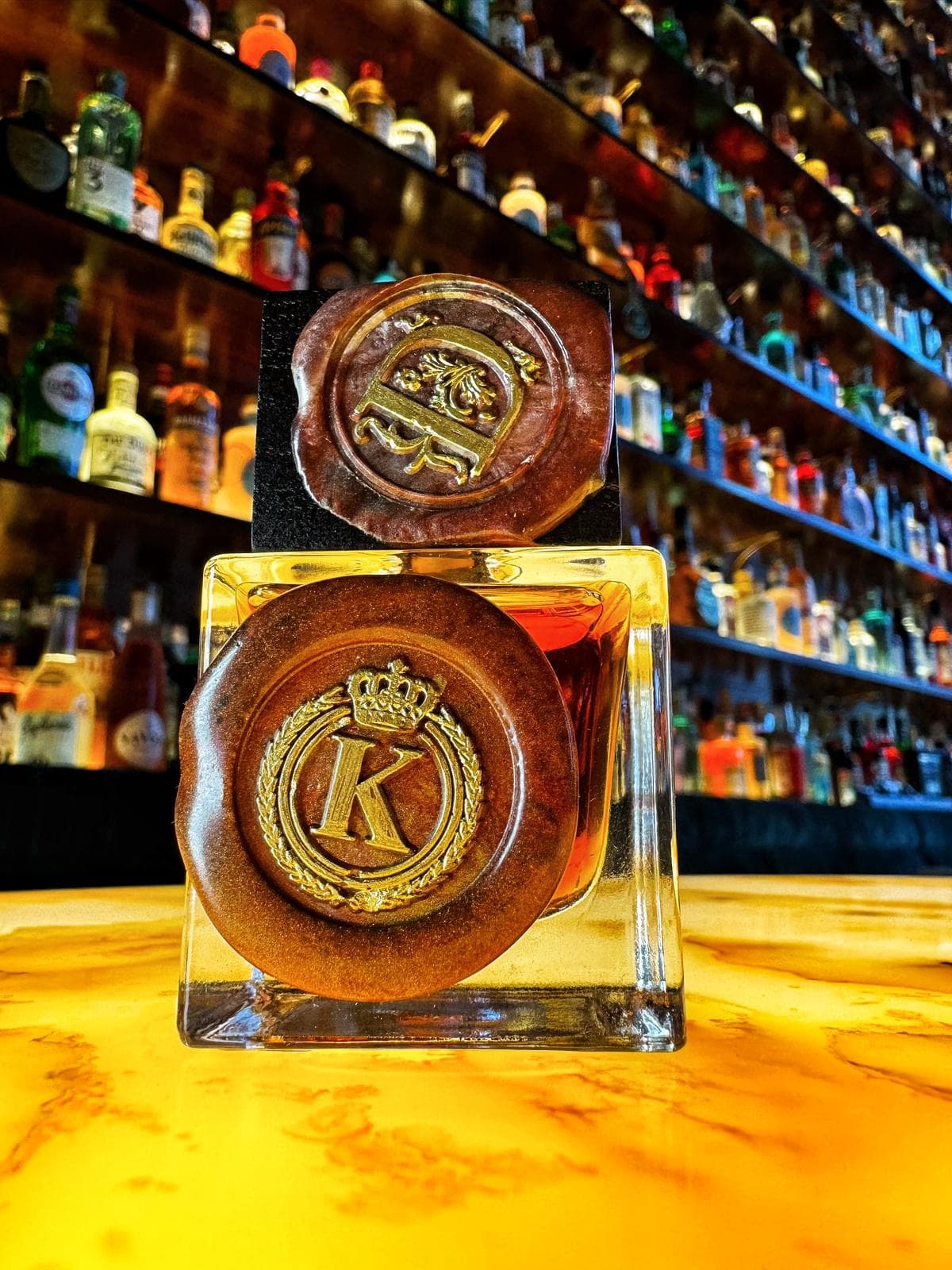
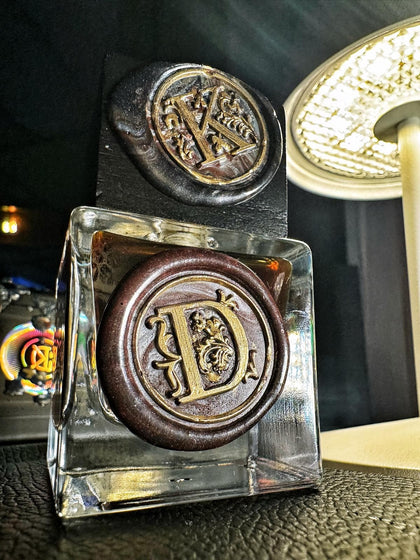
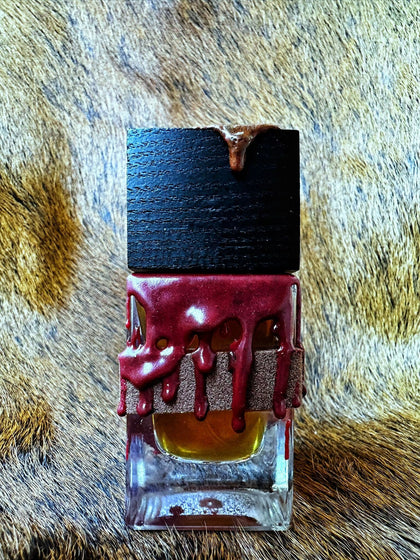
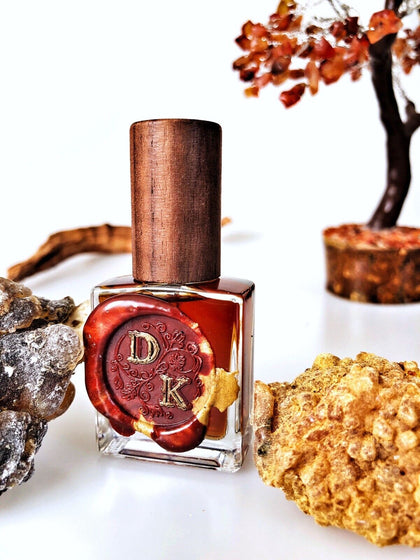
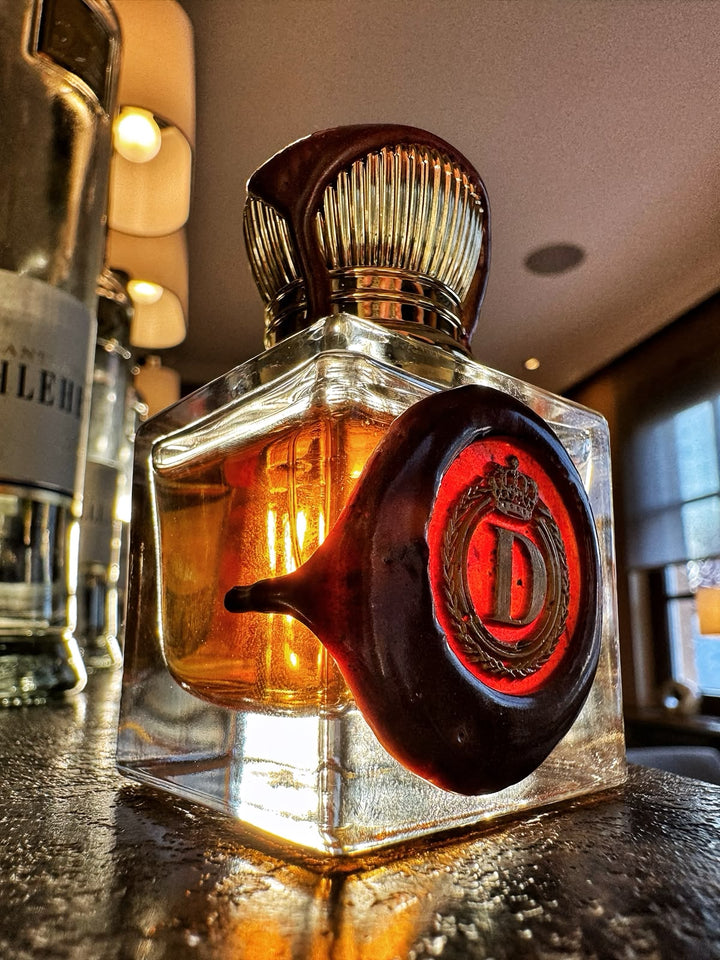
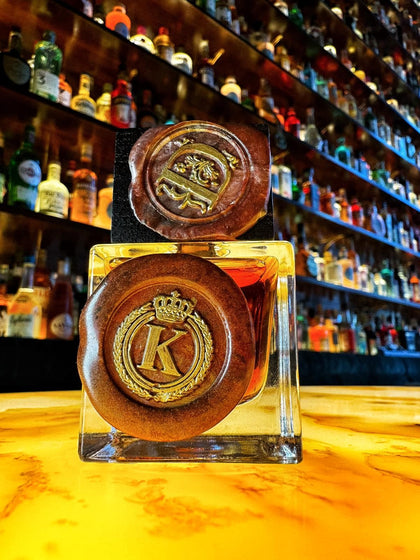
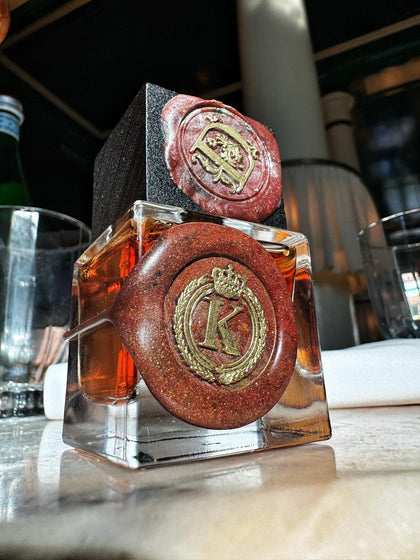
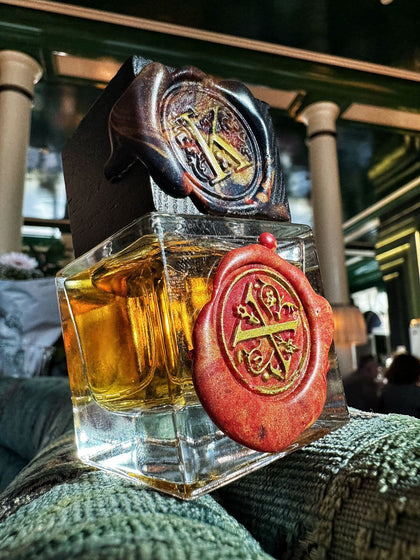
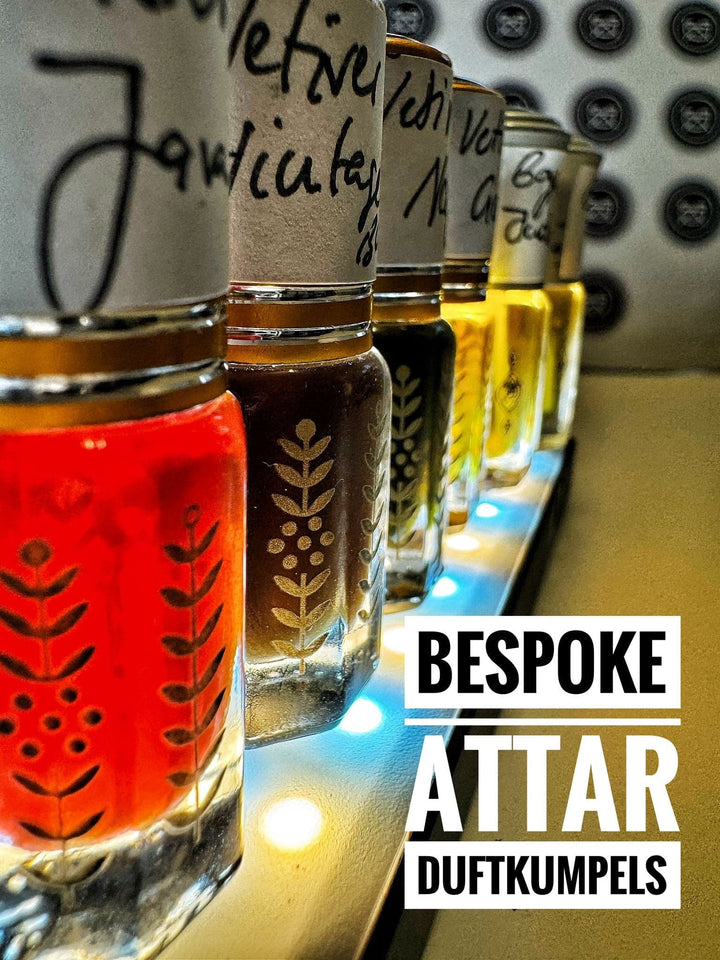
Our own atelier in Hamburg, Germany, is part of that movement. We source directly, which means the oil in our bottles is exactly what the label says it is. No blending, no "boosting" with synthetics, no creative relabelling.
The German Consumer Is Unusually Well-Informed
German customers tend to research before they buy. They read forums, compare GC-MS reports, ask about the distillation year and the species of Aquilaria. That has forced sellers to raise their game. A merchant who cannot answer questions about origin, age and extraction method will not survive long in this market.
What Actually Counts as "Real" Oud?
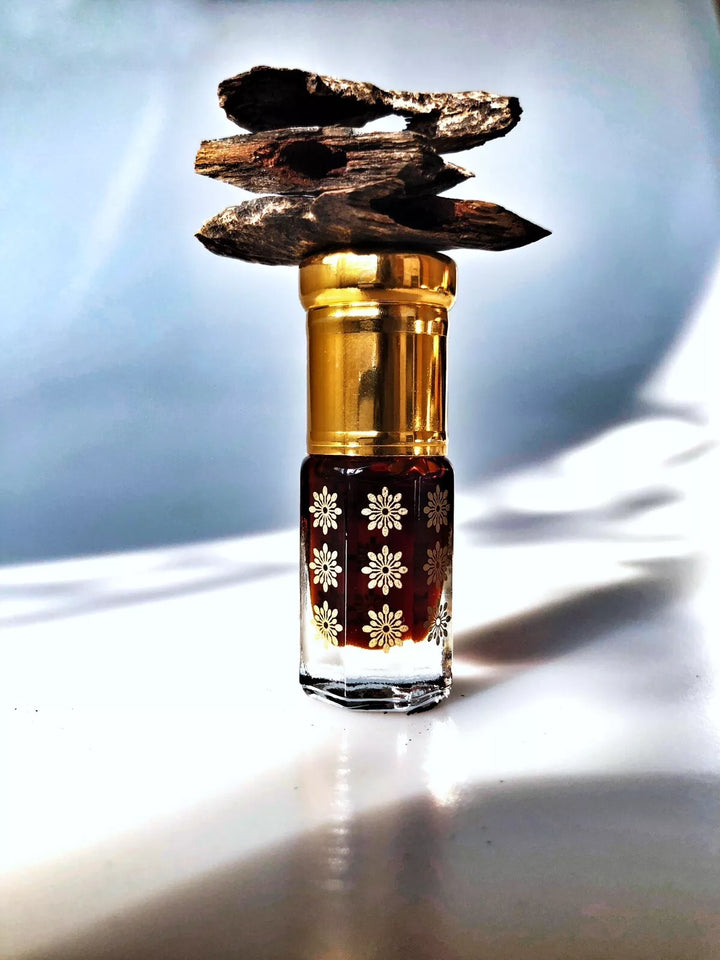
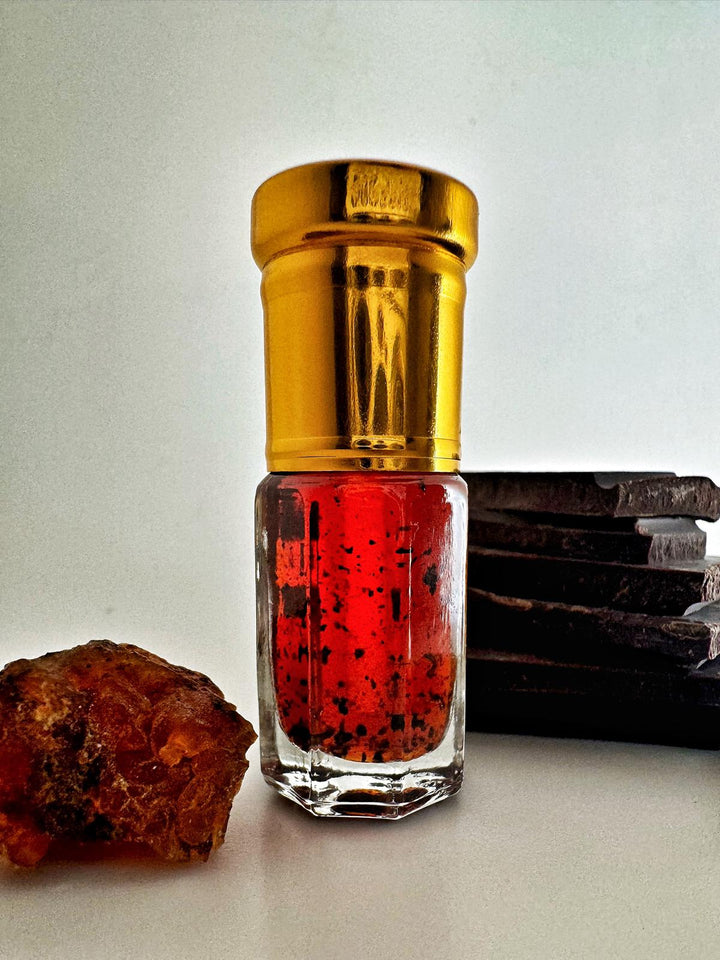
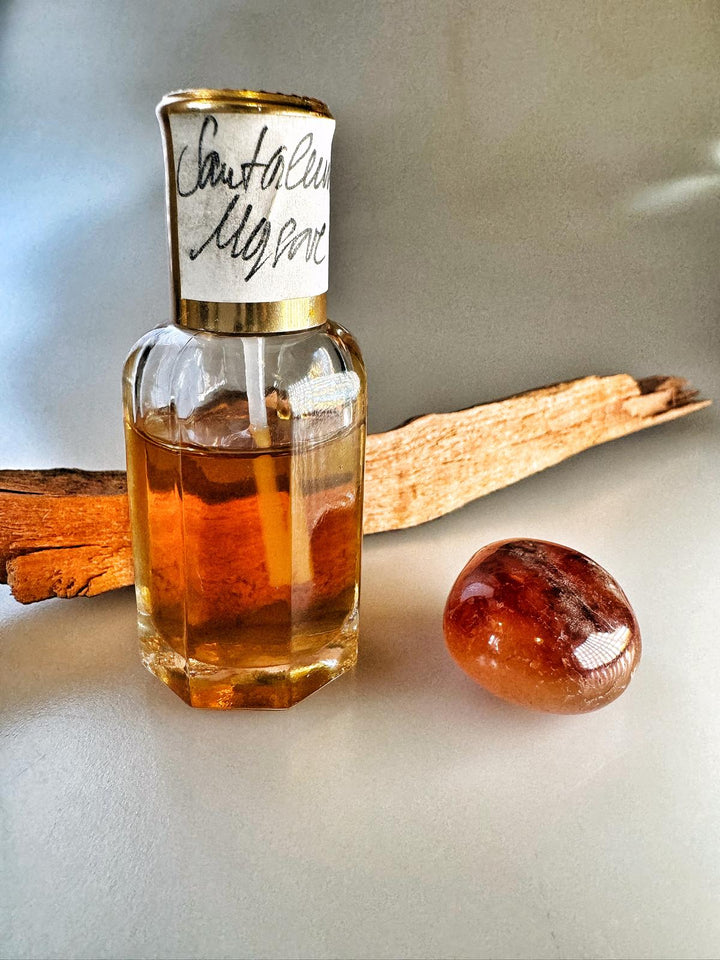
Real oud is the essential oil distilled from infected Aquilaria wood - primarily Aquilaria crassna, Aquilaria malaccensis and Aquilaria sinensis. The infection, caused by a specific fungus, triggers the tree to produce a dark, fragrant resin as a defence response. Only infected wood produces the heavy, resin-saturated heartwood that yields oud oil.
Everything else is either a synthetic reconstruction, a fragrance accord built from cheaper woods, or a dilution. All three have their place in commercial perfumery, but none of them is real oud.
Wild vs Plantation Agarwood
Wild oud - from old-growth trees that have been infected naturally for decades - is now extraordinarily rare and, when genuine, extraordinarily expensive. Most serious oud on the market today comes from plantations where infection is induced artificially. This is not a compromise. Well-managed plantation oud, aged properly, can be spectacular - what matters is transparency from the distiller.
How to Spot Fake Oud
Fake oud is the single biggest problem for new collectors in Germany. Here is what to check before you buy:
- Price per gram: Genuine oud oil below roughly 20 EUR per gram is almost certainly adulterated. Premium wild oil can reach 200 EUR per gram or more.
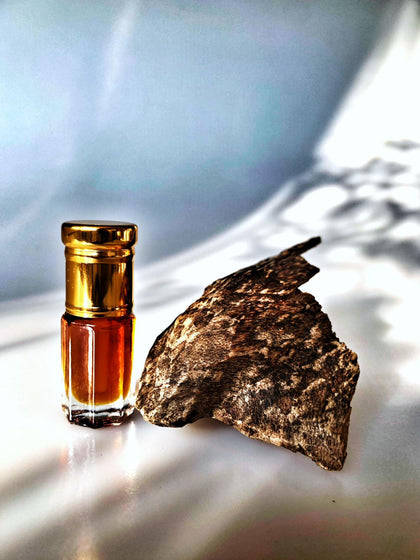
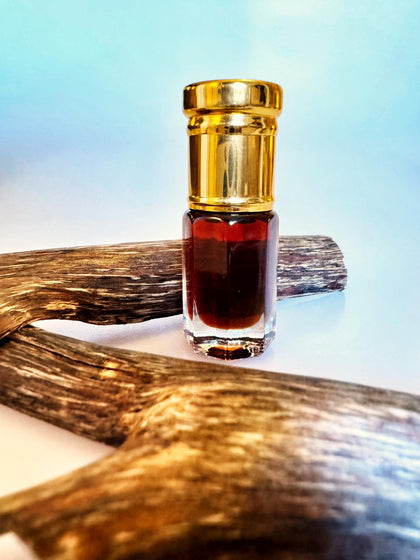
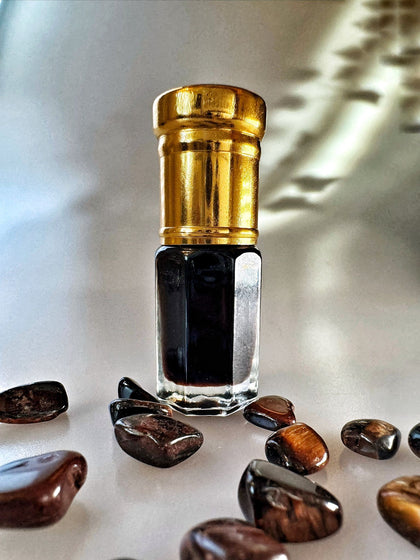
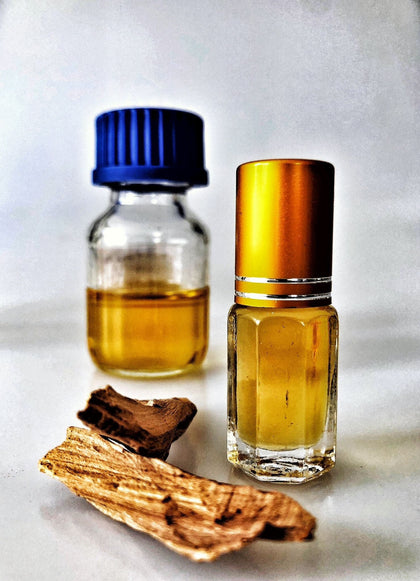
- Colour: Real oud ranges from golden amber to deep mahogany. Water-clear or jet-black oils are suspicious.
- Viscosity: Authentic oud is thick, almost syrupy at room temperature. A thin, watery liquid is a red flag.
- Development: Real oud evolves for 8 to 16 hours on the skin, passing through barnyard, resinous, leathery and sweet phases.
- Transparency: A seller who cannot tell you the species, country and year of distillation is not worth buying from.
The Three Major Oud Styles You Should Know
Assam Oud - The Deep, Animalic Classic
Oud from the Assam region of northeast India is the reference point for traditional, heavy, animalic agarwood. Think smoke, leather, a hint of barnyard in the opening and a long, resinous dry-down. If you want to understand what oud originally smelled like, start here. Our Al Hayvaan Extrait de Parfum builds on exactly this tradition.
Thai Oud - Bright, Resinous, Modern
Thai oud, especially from the Trat region, is lighter, brighter and more immediately pleasant than Assam. It is often described as the "gateway oud" for Western noses. Read more in our Thai Oud Guide.
Cambodian Oud - Sweet, Honeyed, Fruity
Cambodian or "cambodi" oud is famous for its honeyed, fruity sweetness. It is the most accessible of the three classical styles and a favourite gift for people who are new to niche perfumery. We buy our Cambodian oud directly from distillers - try it in our Oud Royal Cambodi 2009.
Where to Buy Oud in Germany
There are essentially four categories of sellers in Germany right now:
- Direct-import specialists (Hamburg, Berlin, Frankfurt) who work with distillers in Southeast Asia. Highest quality, full traceability, fair prices. This is where we position ourselves.
- Arabic perfume shops - often excellent for finished attars, variable quality for pure oud oil.
- Online marketplaces - Amazon, eBay, general marketplaces. Avoid for pure oud. The fake-to-real ratio is brutal.
- Luxury department stores - good for commercial oud-themed fragrances (Tom Ford, Maison Francis Kurkdjian) but not for real agarwood oil.
Our Recommended Starting Points
If you are buying oud in Germany for the first time, we suggest one of these three paths from our atelier:
- Pure oil, Thai origin: Oud Royal Thai Trat - bright, resinous, beginner-friendly.
- Pure oil, Cambodian origin: Oud Royal Cambodi 2009 - honeyed.
- Extrait de parfum composition: Tonkin Sunset XDP - oud blended with tonka and vanilla for everyday wear.
Everything is handcrafted in small batches in Hamburg, Germany, and most releases are limited to 20 to 100 bottles.
Oud, Customs and German Law
Importing oud privately into Germany from outside the EU can be legally complicated. Aquilaria species are listed under CITES, which means cross-border trade requires permits. Buying from a German-based atelier that handles CITES documentation internally is the safest and simplest route for private collectors.
Long-Term Storage
Real oud only gets better with time. Store your bottles upright, away from direct sunlight, at stable room temperature. A good oud kept under these conditions will still be improving twenty years from now. If anything, pure oud is one of the few perfume categories where ageing is genuinely part of the product.